Category
70 stories
The 2026 voluntary rule closed the lie — you can't call Argentine trimmings "Product of USA" anymore. But a packer who doesn't want to label simply doesn't, and right now 80,000 metric tons of foreign trimmings are flowing into your ground beef with no label required at all.
While local FSA offices told ranchers they’d “heard nothing” about the $700 million USDA Regenerative Pilot Program, Canadian fertilizer giant Nutrien — backed by BlackRock and Vanguard — was already positioning to capture $300 million of it. Farmers First, indeed.
How a single size standard launders Big Ag subsidies as small business aid — and why every "fix" without redefinition is theater.
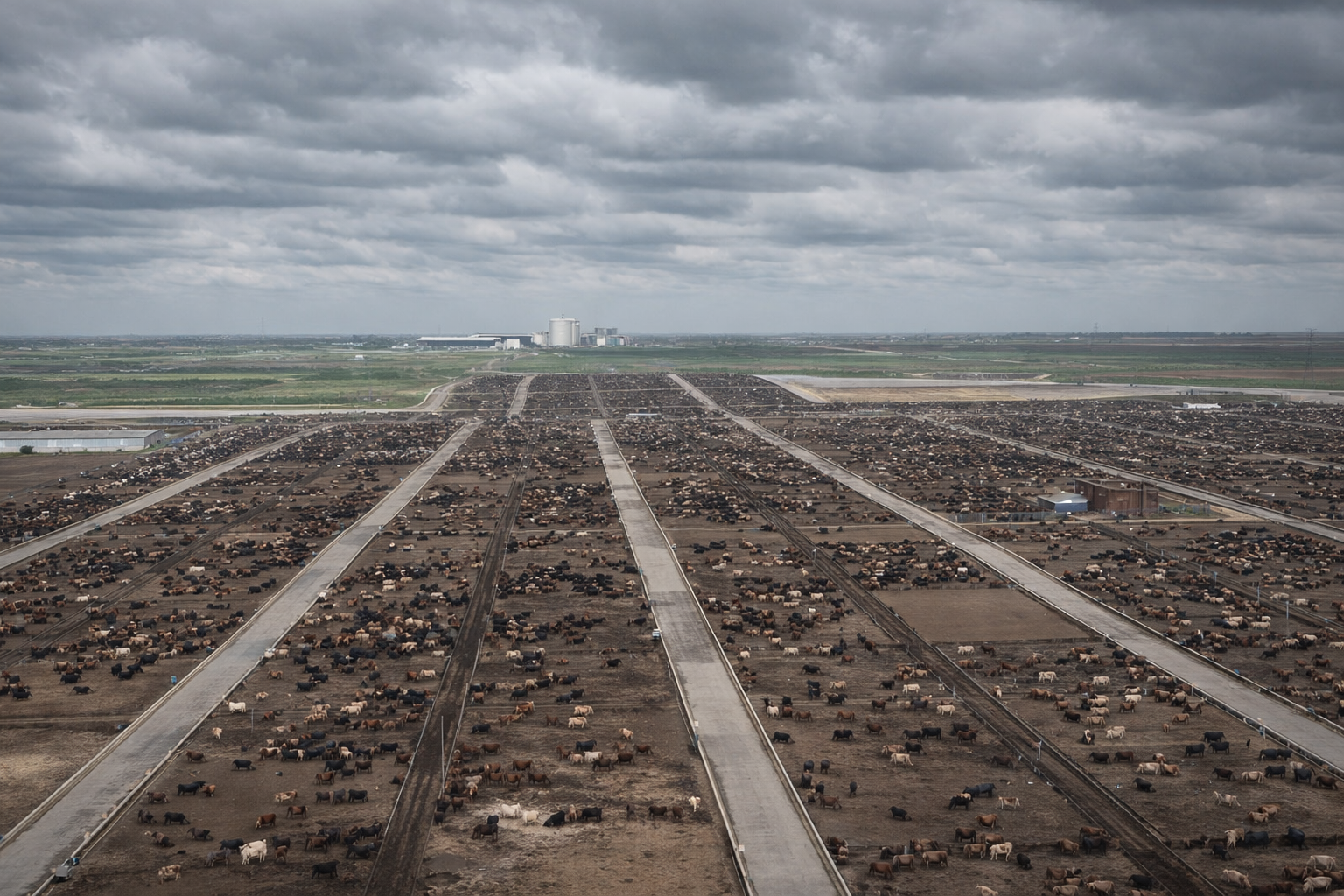
For seventy years, Lubbock Feeders moved cattle across the South Plains like clockwork — until the feeder pipeline it depended on ran dry. When a closed border collided with the smallest U.S. herd since 1951, a 50,000-head machine discovered just how fragile modern cattle infrastructure has become.
For decades, we’ve assumed modern food production requires chemical intensity. The evidence suggests the real constraint isn’t the soil — it’s the system.
Grazing access is back—but without capital, it’s a hollow win. Until ranchers have real liquidity, the herd won’t grow, and regeneration stays stuck at the press release stage.
Before the Federal Reserve, the cow—not the bank—called the tune.
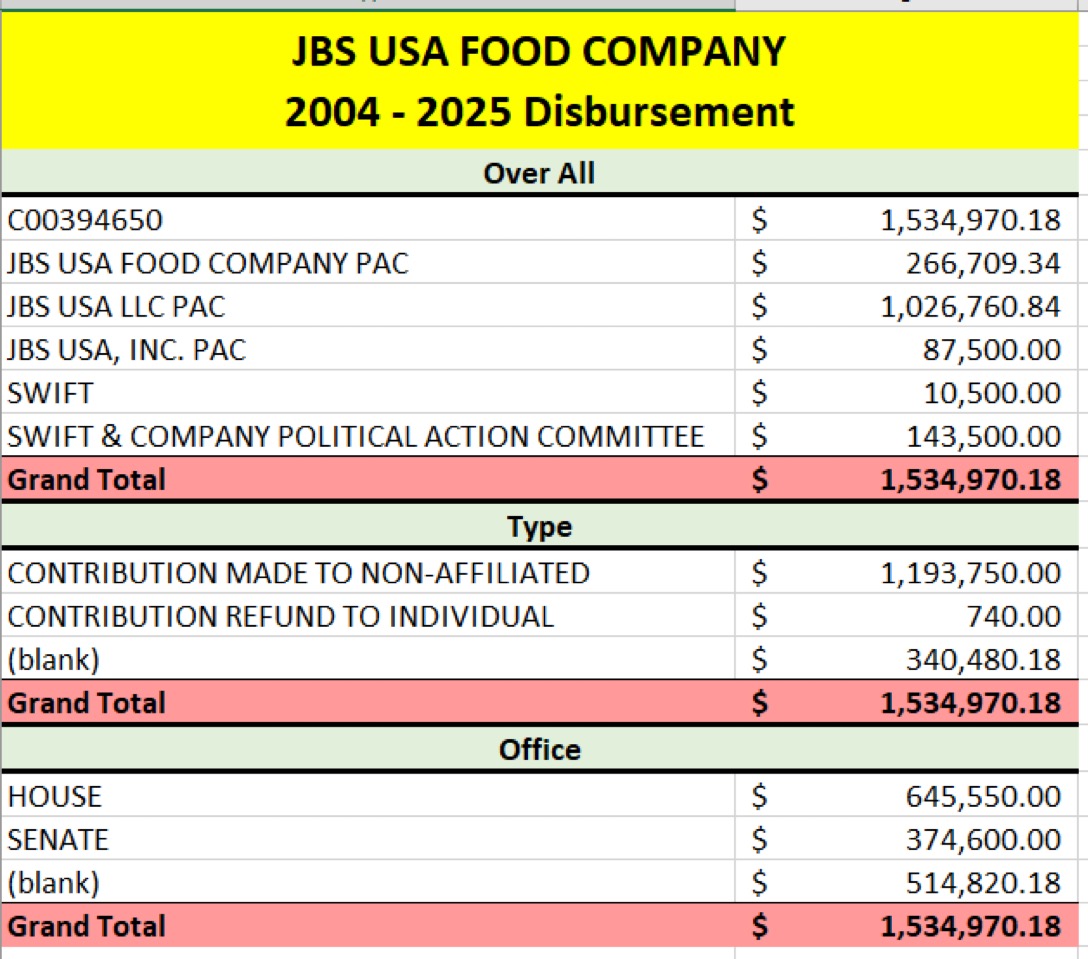
While the DOJ investigates beef monopolies, JBS is quietly moving political money through PAC transfers that vanish from public view—shielded by foreign ownership and a legal gray zone.
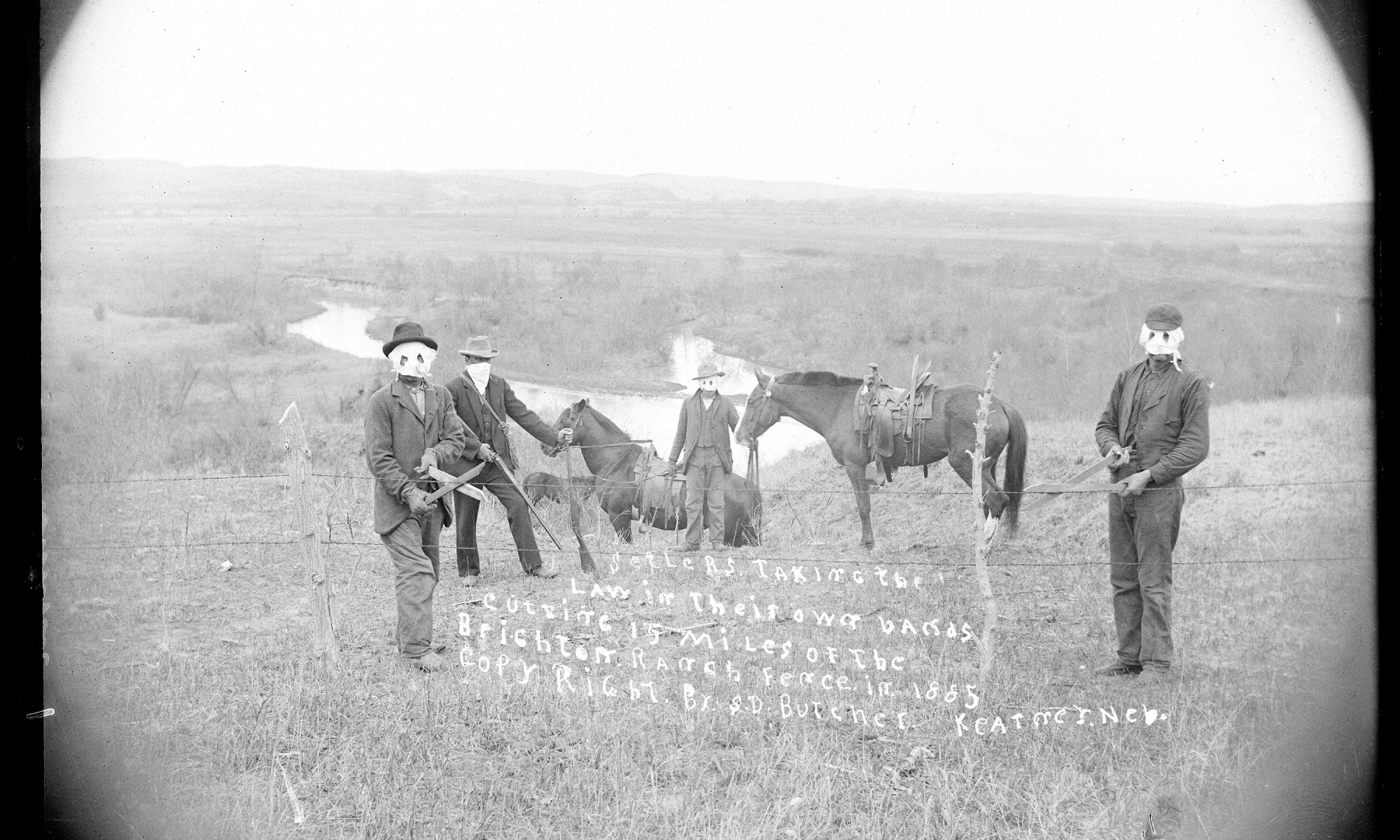
In 1882, Texas traded three million acres of open range for a building made of stone. The Syndicate that took it didn’t ride horses. They moved gold across wires and wrapped barbed wire around the West. It was legal. It was brilliant. And it marked the beginning of the end for the frontier.
Trump’s DOJ probe just cracked open a 25-year coverup—where USDA and meatpackers killed labeling laws to protect foreign beef profits.
History repeats when the people forget what they used to eat.
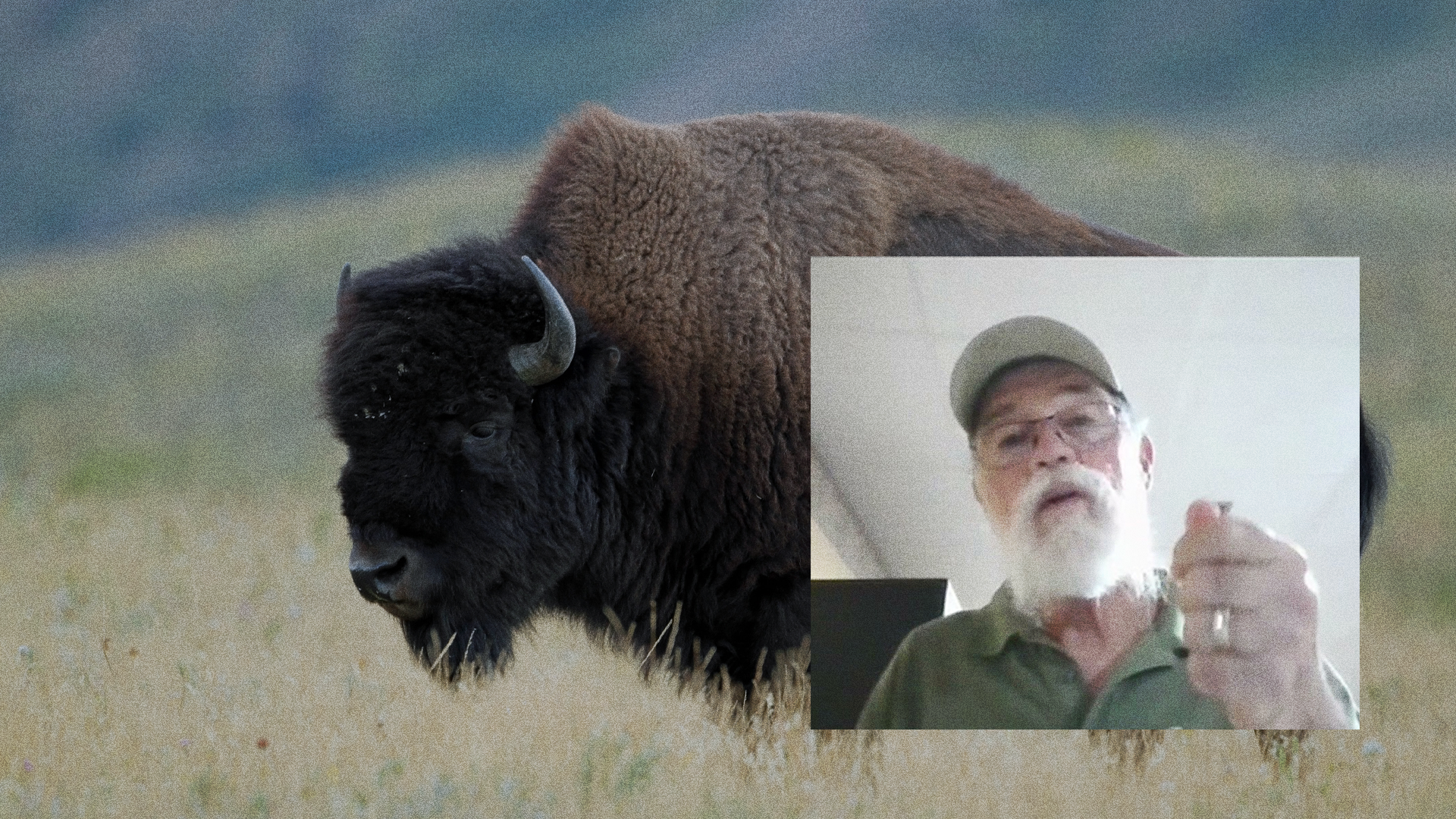
America lost over 500,000 farms. The cattle herd is down 2 million. But Bernie Hansen from BetterFedFoods is proving that rebuilding starts from the ground up—with biologically intelligent beef, real economic viability, and ranchers who refuse to quit.
USDA paused loans, label approvals, and market reports—gutting small producers mid-harvest. Meanwhile, Cargill kept selling imported beef as "Product of USA." Welcome to the cartel economy.
How Taiwan’s Ag Deal Masks a USDA Trade Skim—While U.S. Ranchers Get Nothing
Every rancher pays in. Only the cartel cashes out.
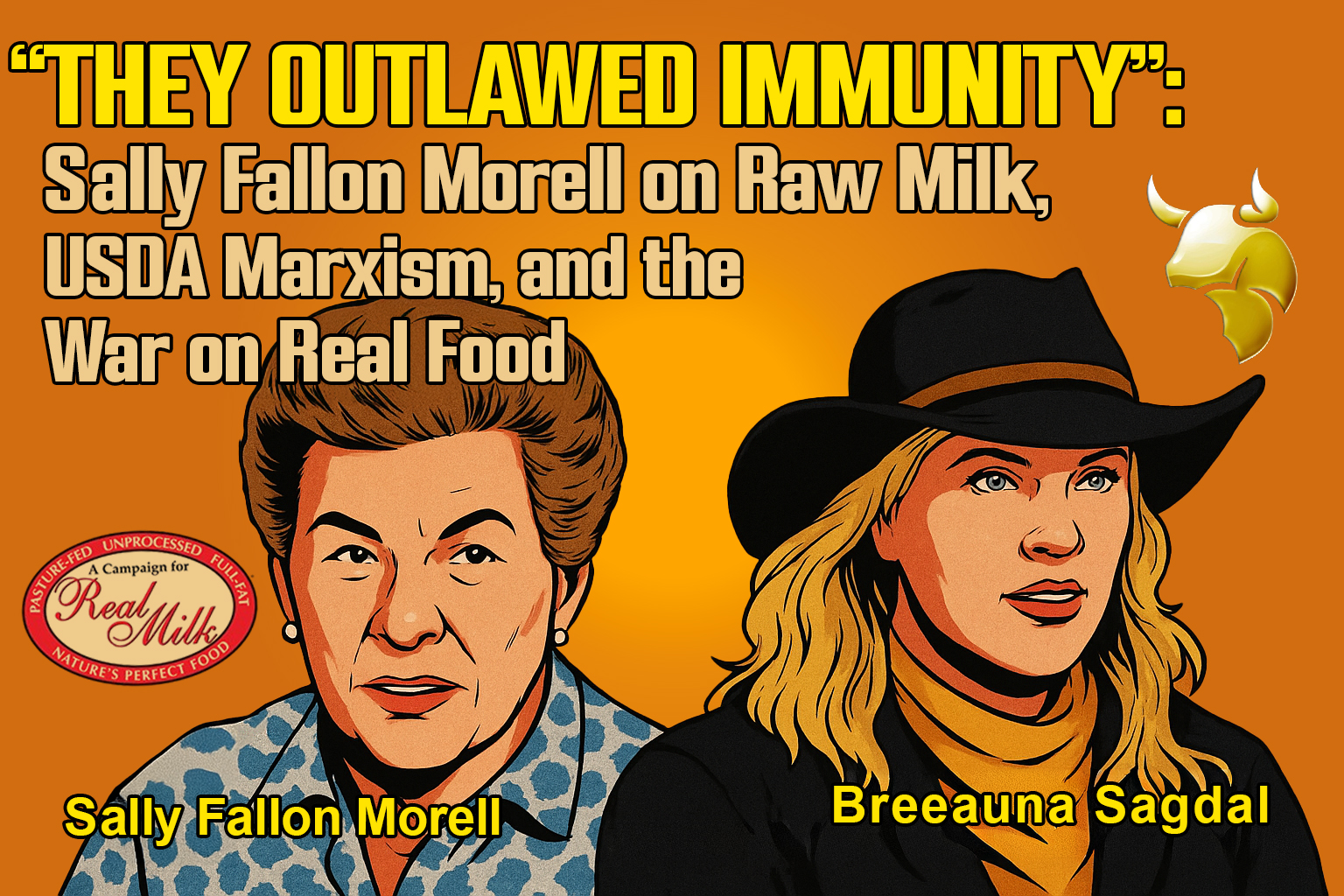
Raw milk wasn’t banned for safety—it was banned to protect monopolies. In this interview, Sally Fallon Morell traces how pasteurization laws, price controls, and USDA policy wiped out small dairies—while states like North Dakota are now fighting back.
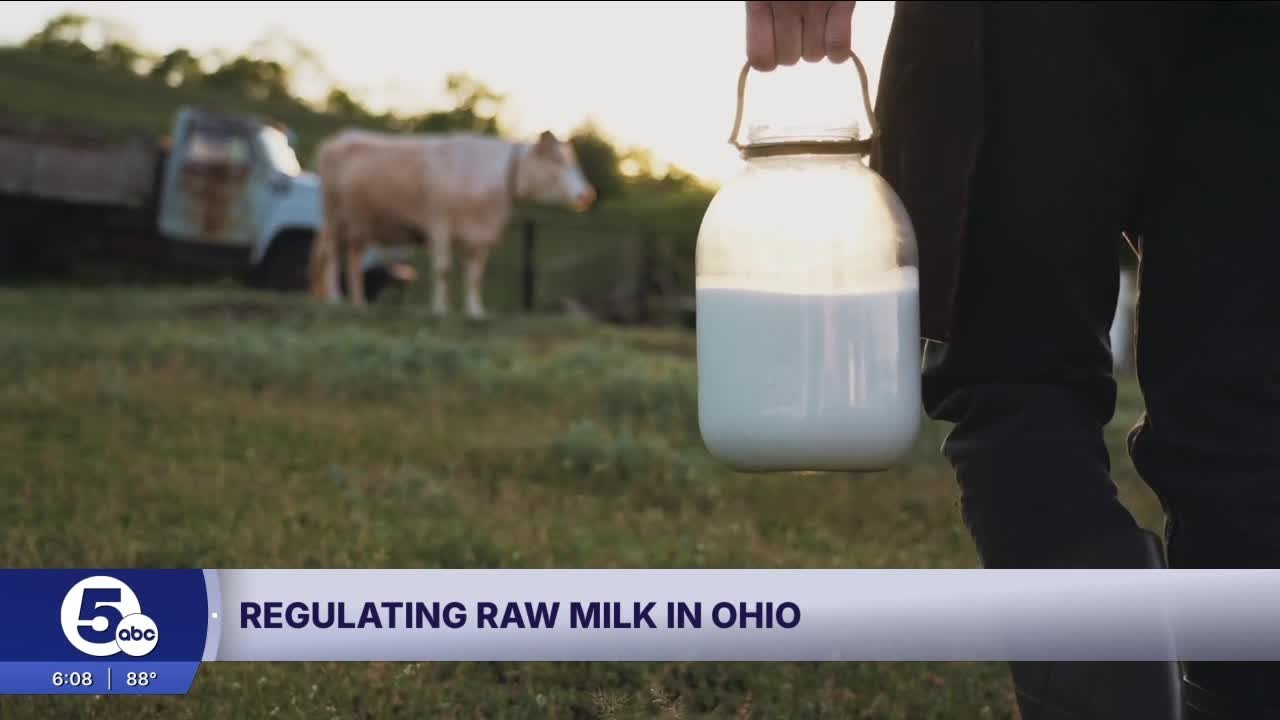
Ohio’s raw milk ban isn’t about safety—it’s about a 1965 licensing freeze baked into ORC §917.04 . HB 406 would finally break that lock, but unless regulators can enforce fairly, the law risks collapsing—or handing the market back to Big Dairy.
The beef industry isn’t broken—it’s rigged. Foreign-owned meatpackers fixed prices, crushed ranchers, printed money, and still got you to blame the last honest man in the system.
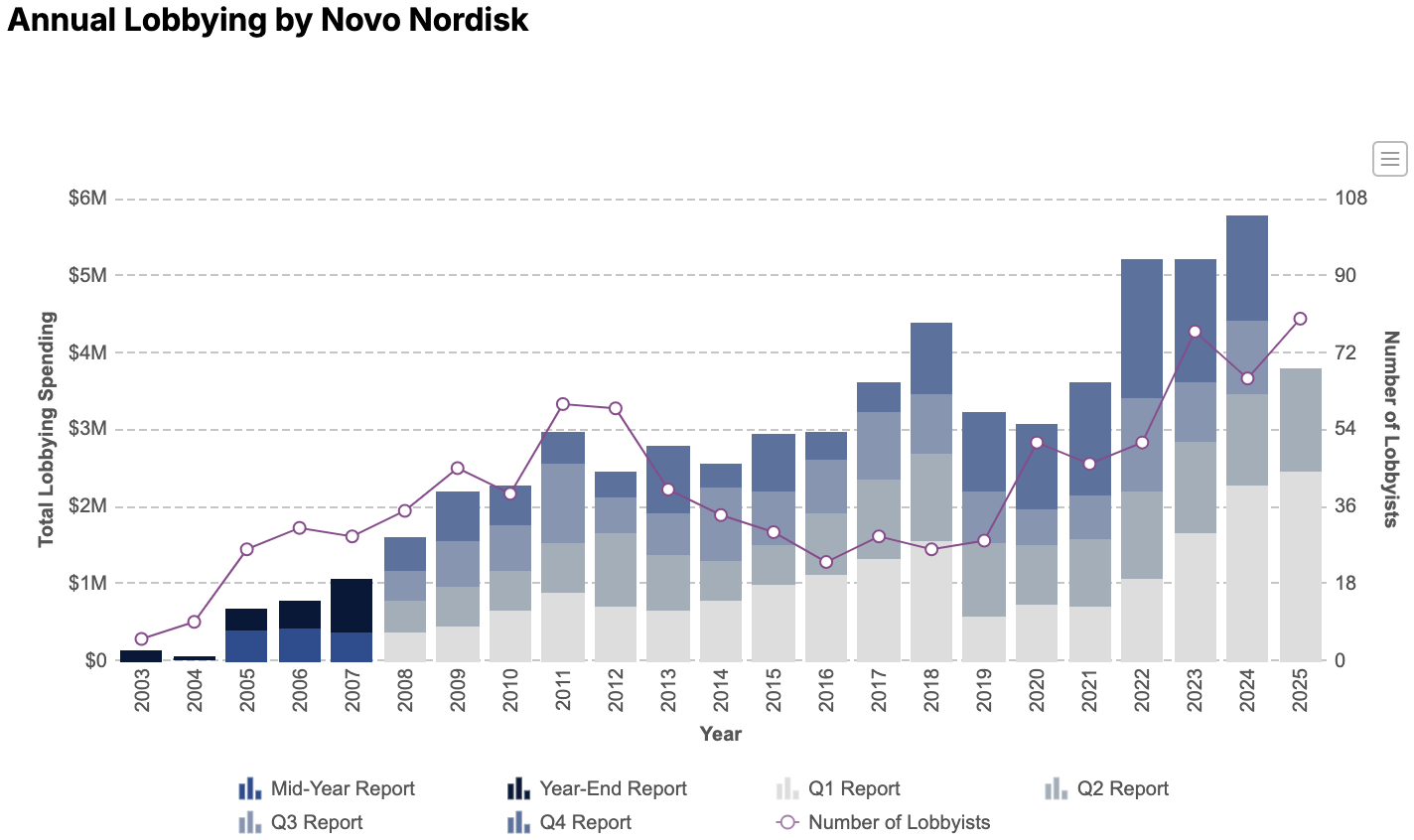
Ozempic isn’t “reptile venom,” but the viral meme works as a smokescreen—masking the real fight in Congress over Medicare coverage that could funnel $35 billion to Novo Nordisk. The lawsuits are serious, but the taxpayer blindspot is bigger.
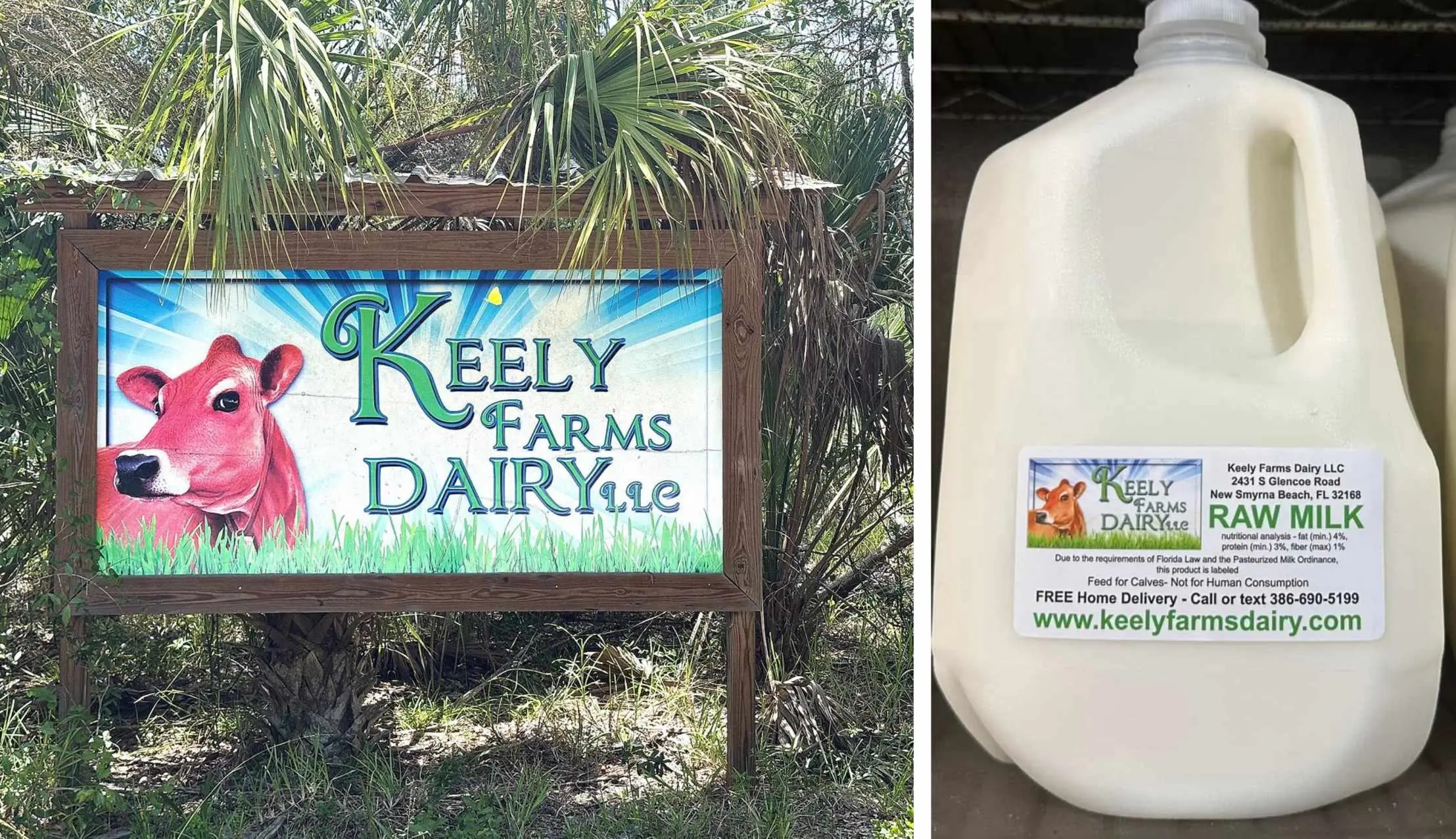
Florida smeared Keely Farms as an E. coli source — but independent tests came back clean. Another Big Dairy hit job.
How JBS, China, and a U.S. loophole engineered a meat monopoly—until a 50% Trump tariff threatened to break it.
Tyson didn’t build a food system—they dismantled it. What began as IBP’s “Formula” for global dominance has ended with half of America’s cattle producers gone, Walmart controlling the shelves, and JBS waiting to feast on the remains.
The tariff halted Brazil’s beef—but not the Brazilian meat giant behind it. JBS shifted production to its U.S. plants, raised prices, and tightened control while the market cheered a ban that changed nothing.
A foreign meat giant just gamed Brazil’s courts, funded Trump’s inauguration, and got SEC approval. And we’re worried about labeling?
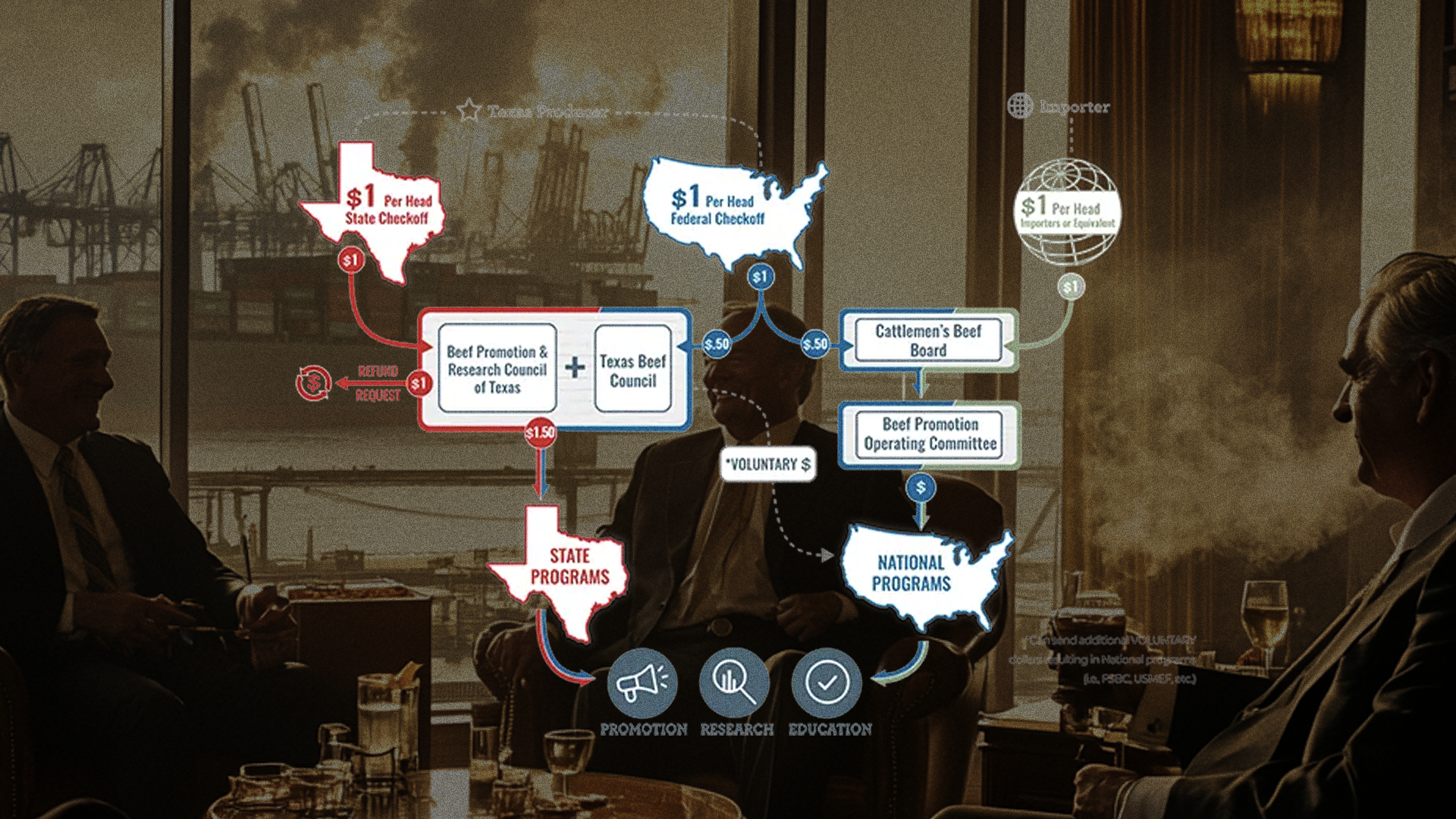
Inside the Beef Checkoff scam that taxes U.S. ranchers to promote foreign beef, bankroll packers, and erase American producers from their own land.
A WTO ruling killed Country-of-Origin Labeling, Congress caved, and now foreign meat gets a “Product of USA” label—while American ranchers get wiped out.
Tesla’s Hollywood Diner flips fast food on its head: Brandt Beef from Calpella, Straus & Valley Ford dairy, Santa Monica Market produce, even Tehachapi wheat tortillas—all sourced inside a regional radius. This isn’t hype—it’s a prototype for national-scale, traceable local food systems. And no other chain has even tried.
At 21, Dawson Holle didn’t just change a law—he rewrote the future of food freedom in North Dakota. Backed by cows, commonsense, and coalition-building, he legalized raw milk and cream without corporate lobbying or culture war noise. This is how a farm kid outmaneuvered the bureaucracy—and lit a path every state can follow.
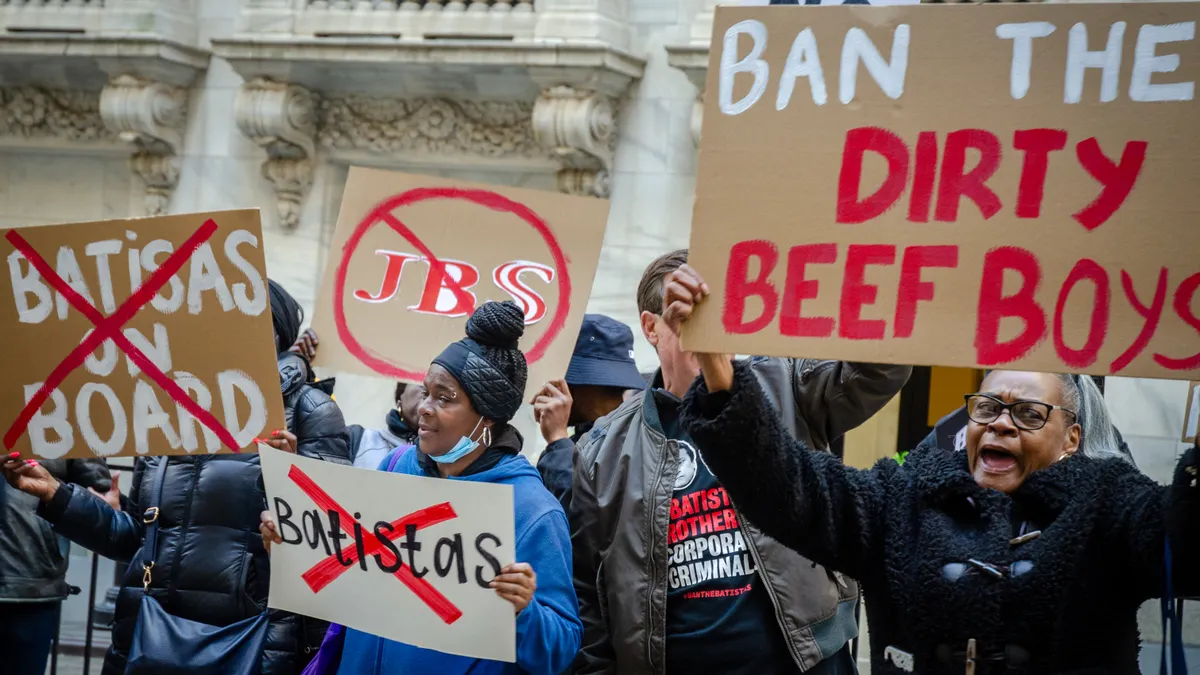
JBS bribed its way into American meatpacking, launders cartel-taxed cattle through Mexico, and now collects taxpayer cash to feed U.S. schools. Their IPO gives Wall Street access to a criminal enterprise built on foreign corruption, domestic child labor, and the destruction of independent ranchers. This isn’t just a beef monopoly—it’s a cartel hiding behind a USDA stamp.
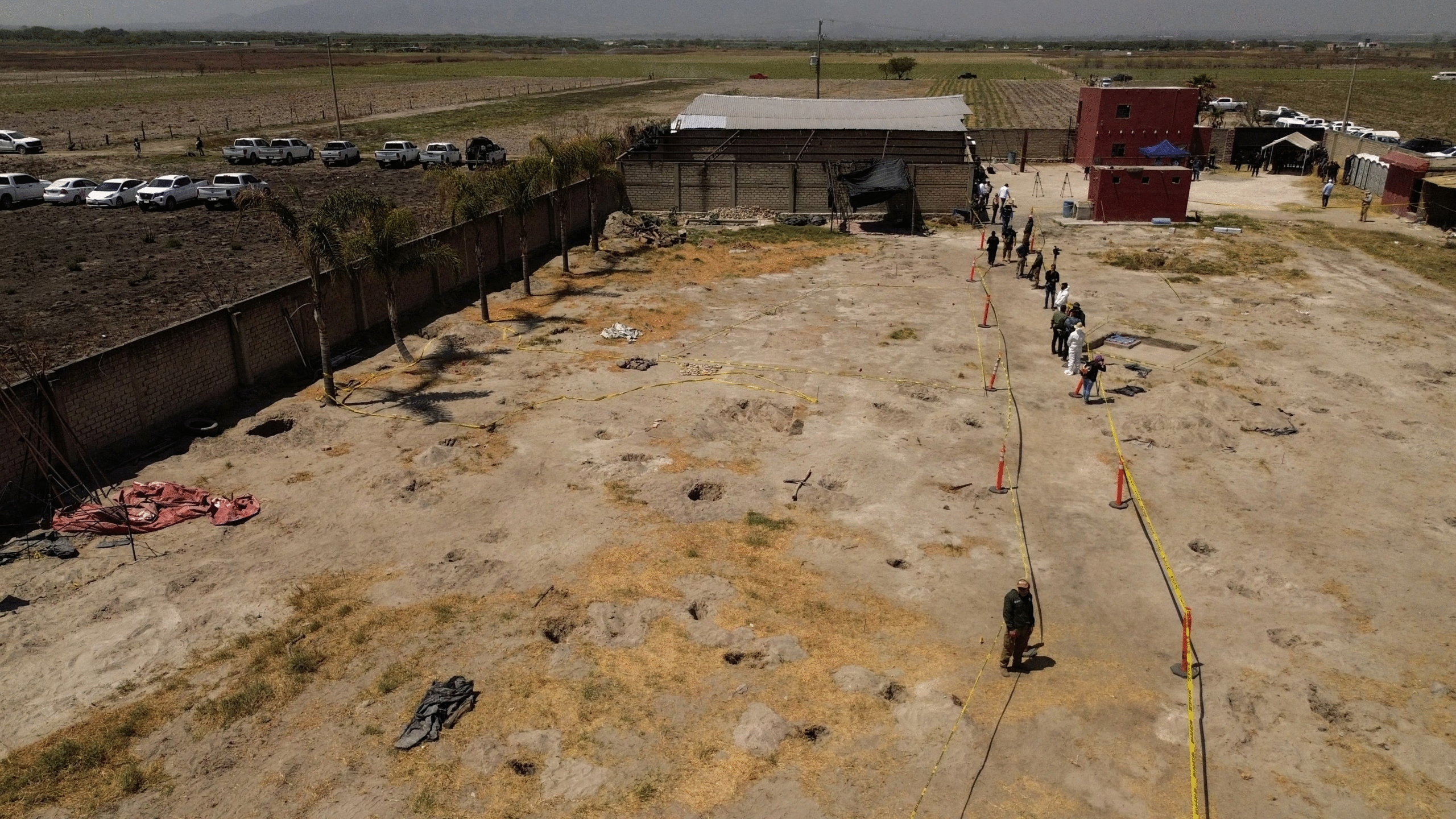
Cartel-linked cattle are entering the U.S. beef supply with clean USDA paperwork—and no one is watching the real owners. From smuggling routes in Chiapas to government-tagged animals in Jalisco, Mexico’s narco-ranching syndicates have mastered the art of meat laundering. Until we tie MCOOL to rancher of origin, Americans are eating beef with forged identities—and funding cartels by the kilo.
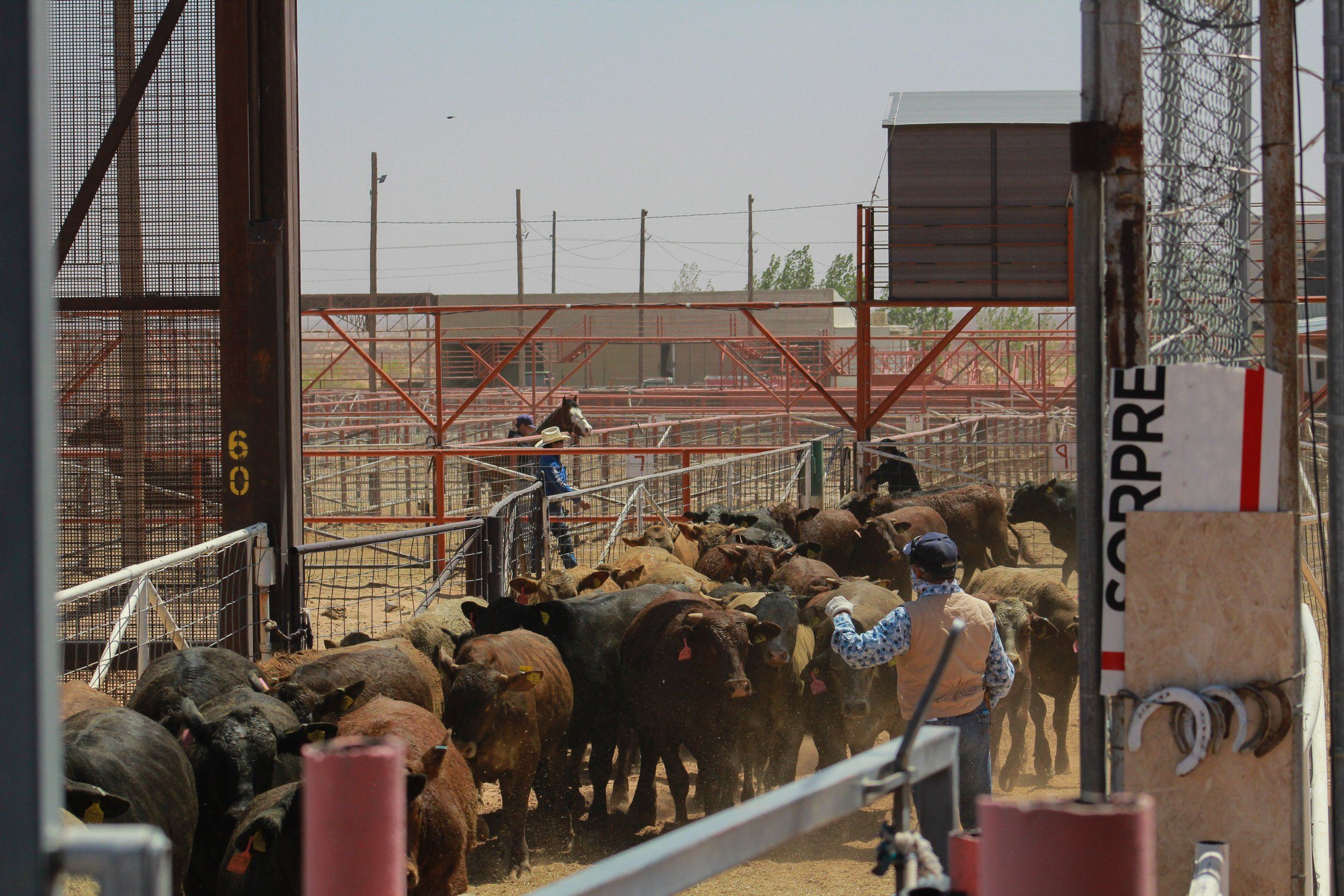
As the USDA reopens the southern cattle border, a deeper fight is playing out behind the scenes—between independent producers defending herd health and industry giants chasing cheap imports. Groups like R-CALF USA are demanding biosecurity and accountability, while trade-aligned voices frame it all as “helping small producers.” But the numbers—and the power—tell a different story.
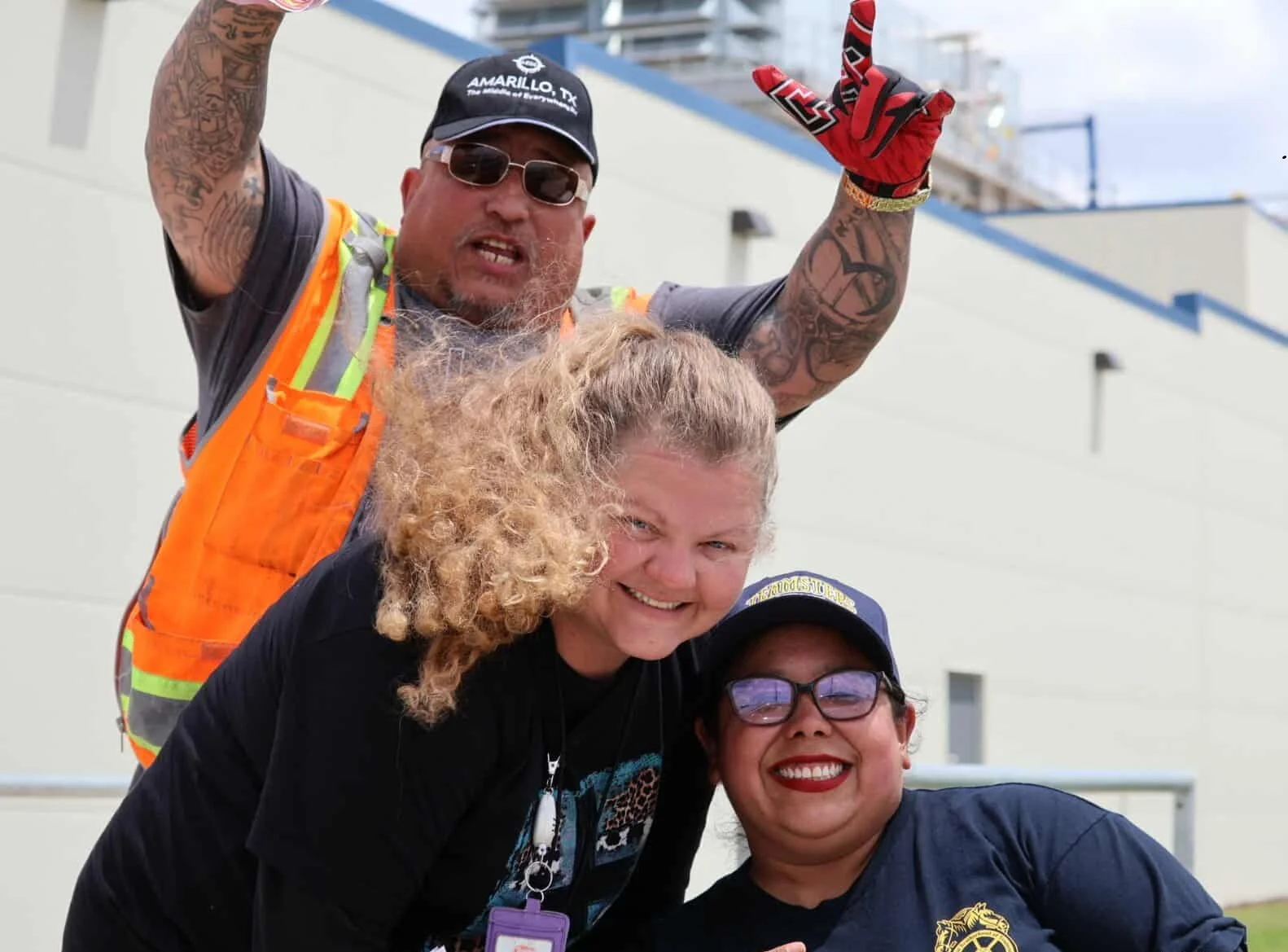
The Tyson strike isn’t just a labor dispute—it’s a pressure valve for a rigged system. While consumers brace for price hikes, the real play is federal intervention to protect the meat monopoly. This is cartel theater dressed up as crisis—and it’s time to fund the alternative.
In 1971, CBS wiped rural America off the screen—not because ratings dropped, but because elites wanted a new narrative. At the same time, the USDA told family farmers to “get big or get out,” triggering mass consolidation and collapse. The result was a nation where the people who feed us lost both their market—and their myth.
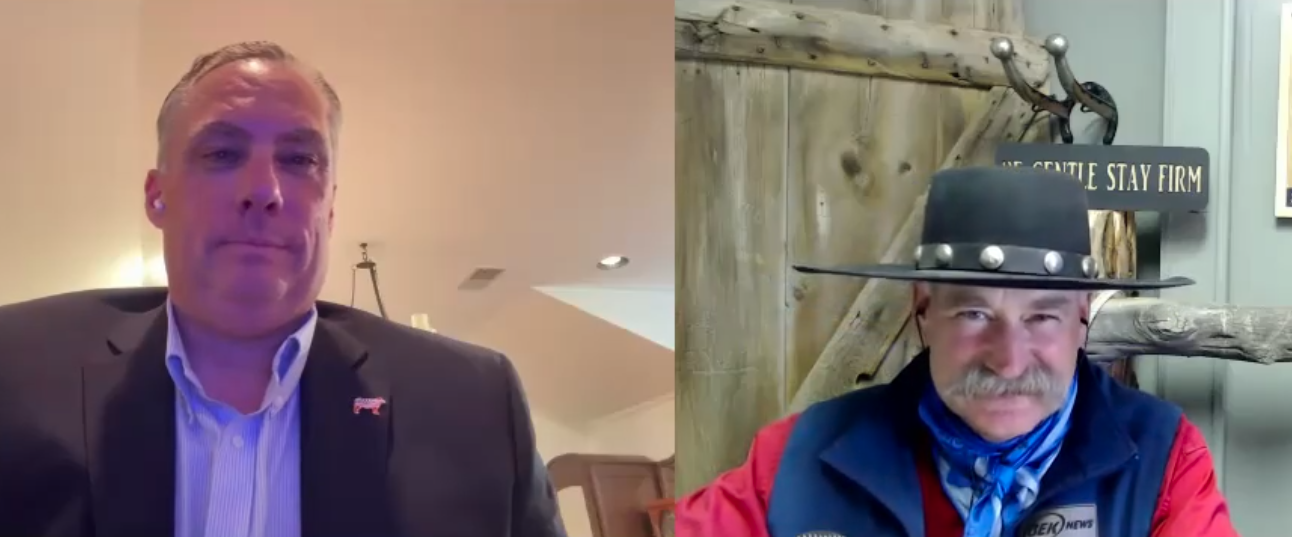
Trent Loos didn’t hold back. In a live showdown with NCBA’s Ethan Lane, he exposed how federal tax breaks and industry silence are fueling AI land grabs and carbon pipeline seizures across rural America. While the beef lobby fixates on estate tax relief, local control is being stripped county by county.
The Senate just erased a ten-year AI gag order buried in Trump’s megabill—after pressure from civil liberties advocates, state legislators, and voices like Rep. Thomas Massie. The clause would’ve punished states for regulating biometric scraping, child exploitation AI, and voice cloning abuse. Now that it’s gone, states have a brief opening to act before Big Tech rewrites the rules again.
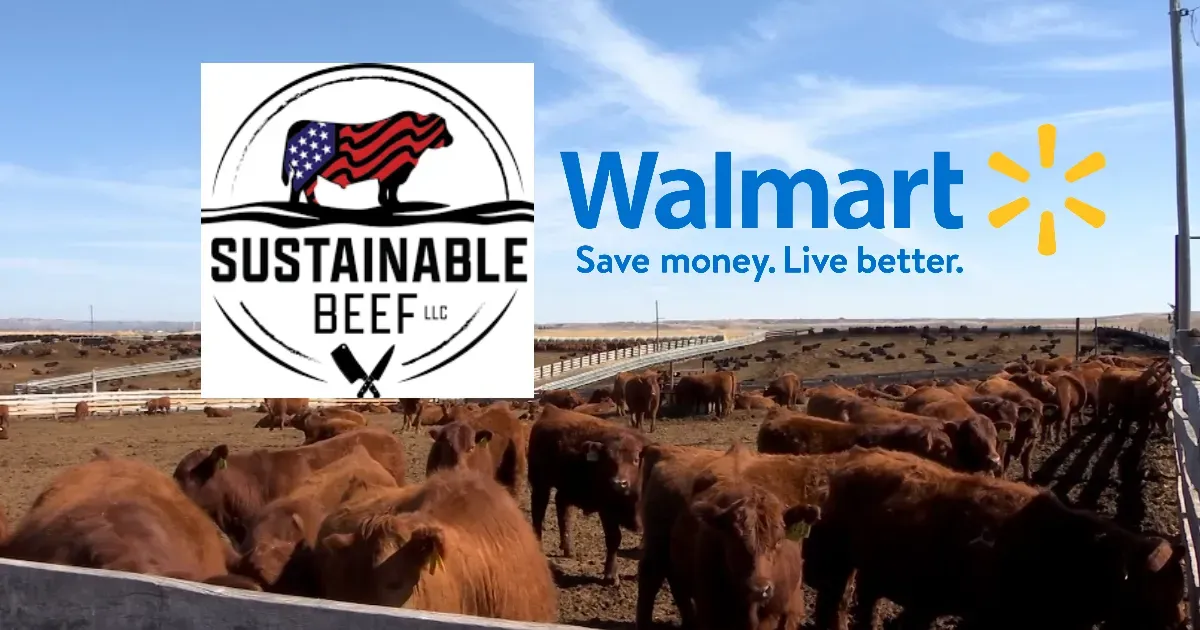
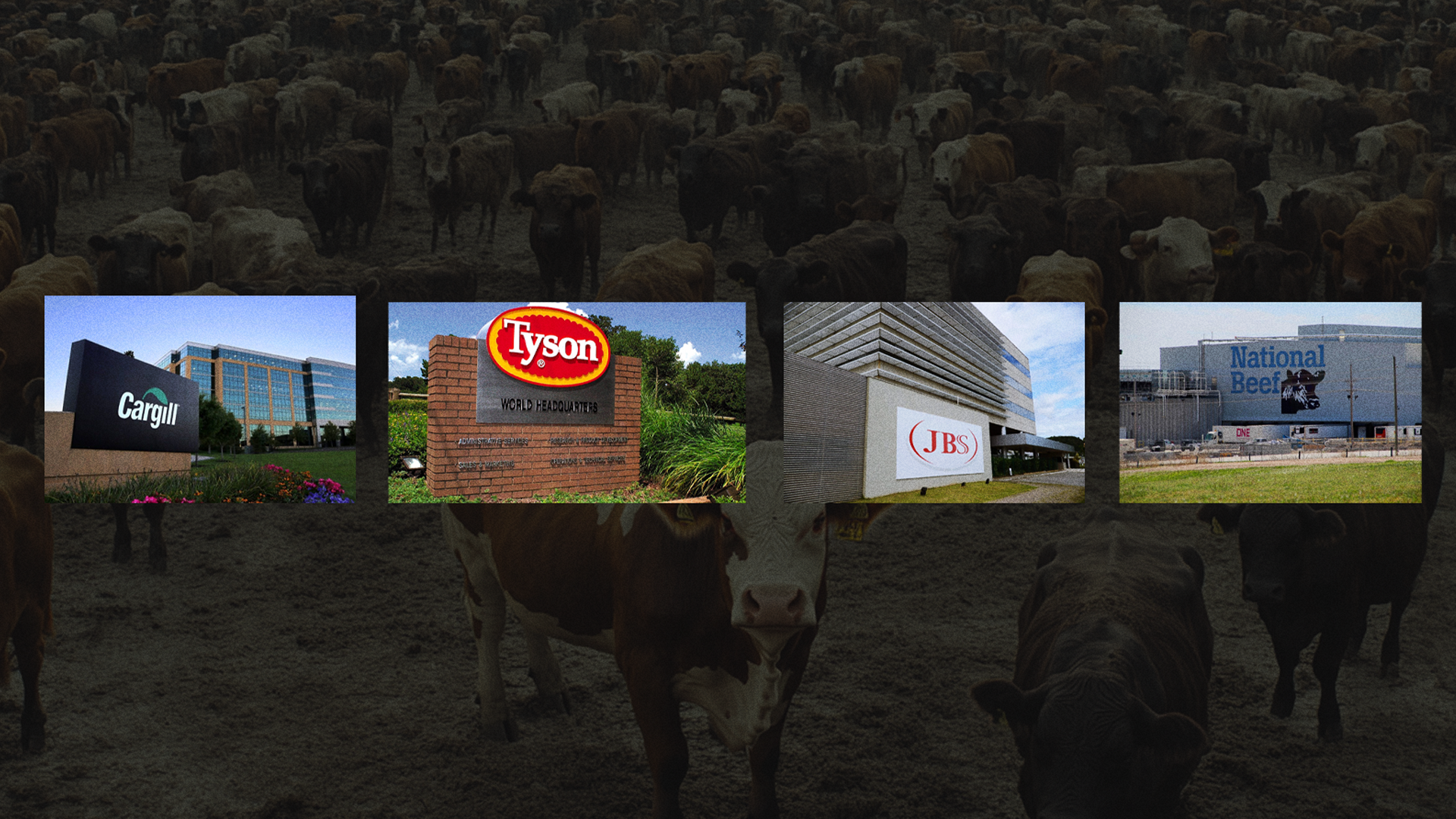
Walmart has spent over $660 million building its own beef empire—from processor to packaging plant to retail shelf. That makes them more than just a grocer; it makes them the fifth major packer, joining Tyson, JBS, Cargill, and National Beef. The press calls it “resilience,” but ranchers know what it really is: vertical consolidation dressed in feel-good PR.
R-CALF USA just told the U.S. Senate what ranchers have known for years: the Big Four meatpackers control 80% of the fed cattle market, and they’ve turned it into a bottleneck. Family-scale producers are being driven out while consumers pay more for beef that’s often imported and deceptively labeled. R-CALF’s message is clear—this isn’t a functioning market, it’s a cartel.
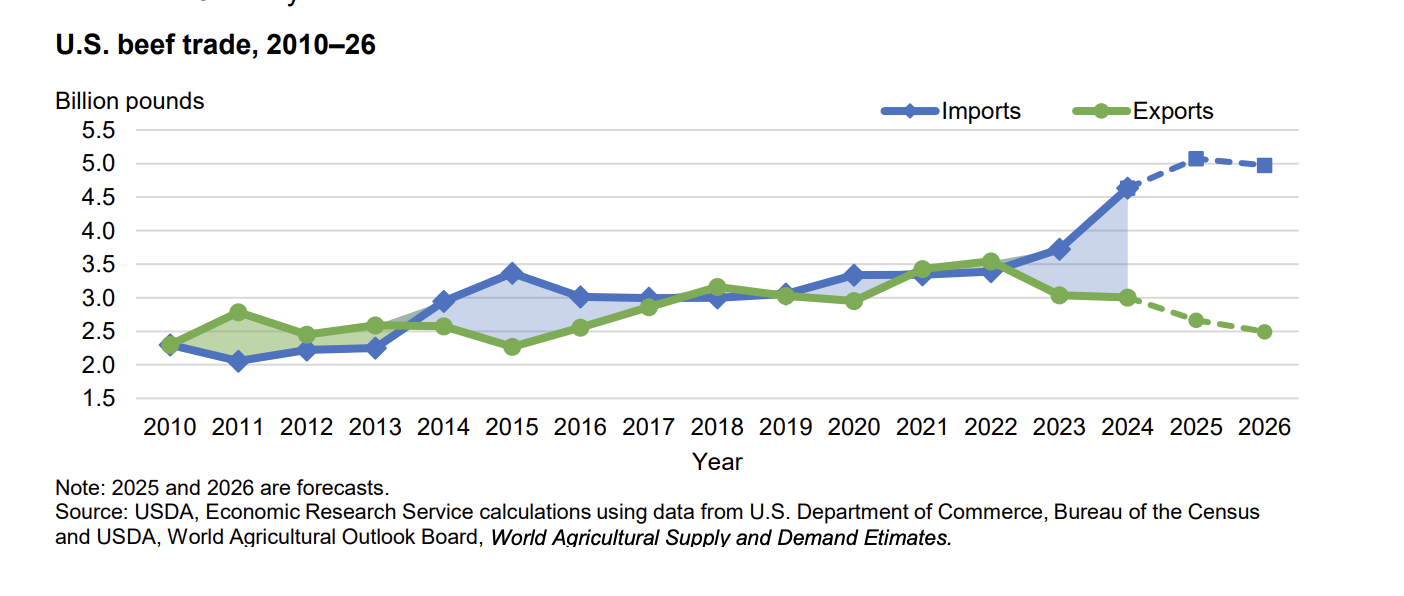
The U.S. imported over 4.6 billion pounds of beef in 2024—while exports fell and domestic infrastructure crumbled. Trent Loos warns this isn't just a market shift; it's a calculated erosion of America's food independence. With Australia and Brazil flooding the supply chain, the real question is: who’s still raising your beef?
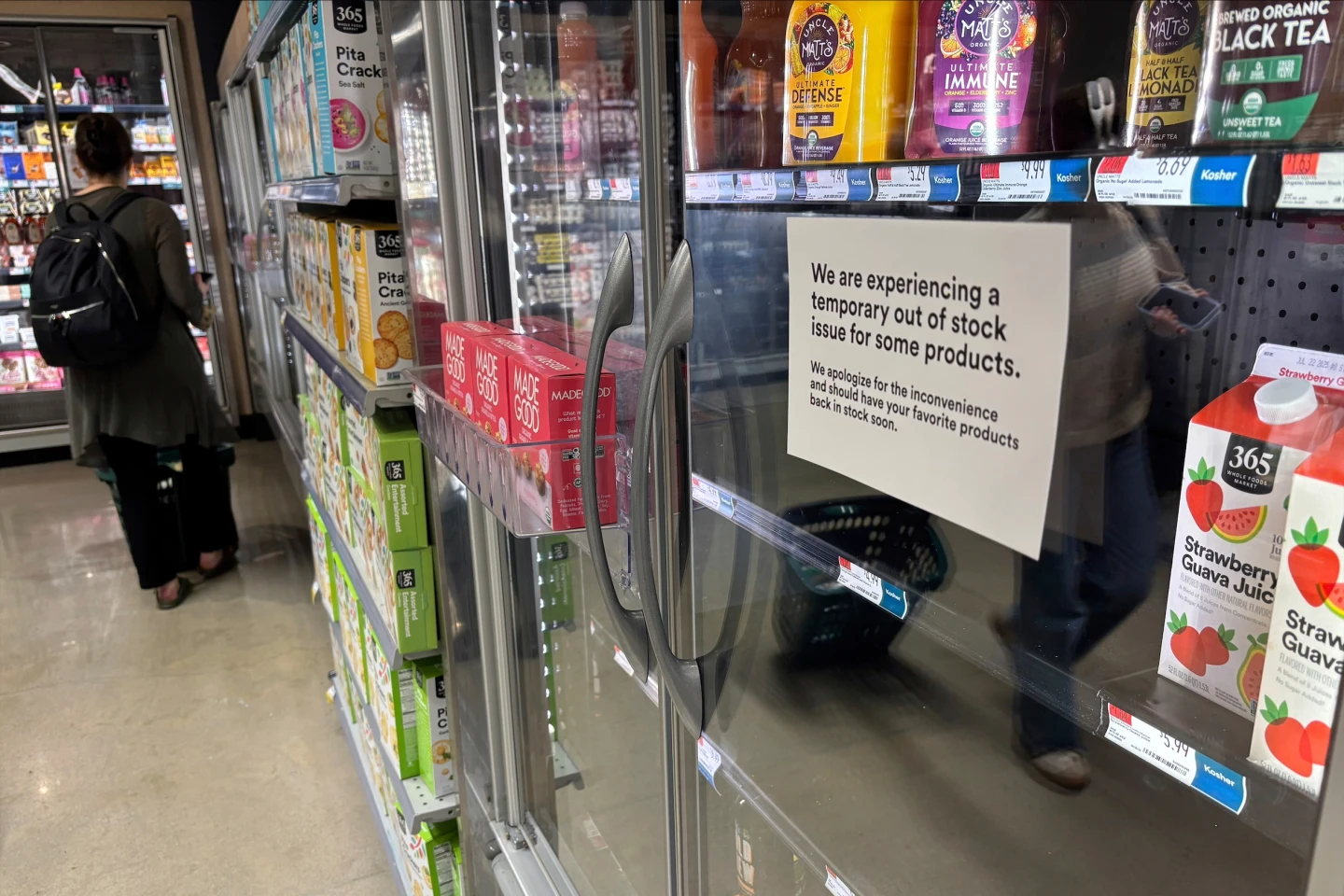
A June 5 cyberattack on United Natural Foods forced major supply disruptions across Whole Foods and 30,000 other retailers. Shoppers from Texas to Canada found frozen foods and staples missing—while the WEF’s warnings of a “cyber pandemic” suddenly looked less like theory. This wasn’t just a breach—it was a systems test, and the shelves failed.
Agridime promised investors a stake in real American cattle. What they got instead was a $191 million Ponzi scheme—complete with fake livestock contracts, undisclosed commissions, and a federal court order for $102.9 million in restitution. Regulators admit most victims may never see their money again.
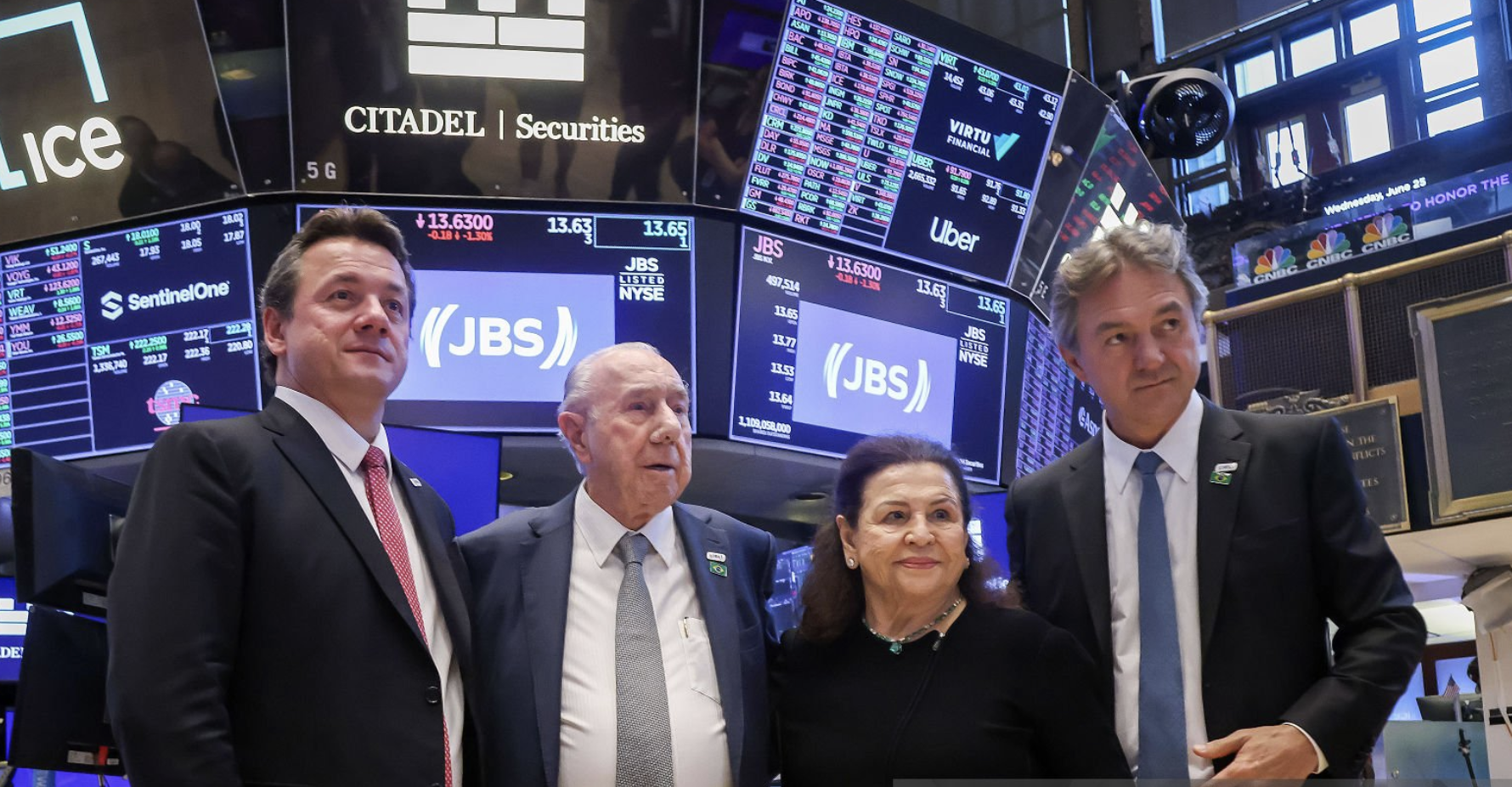
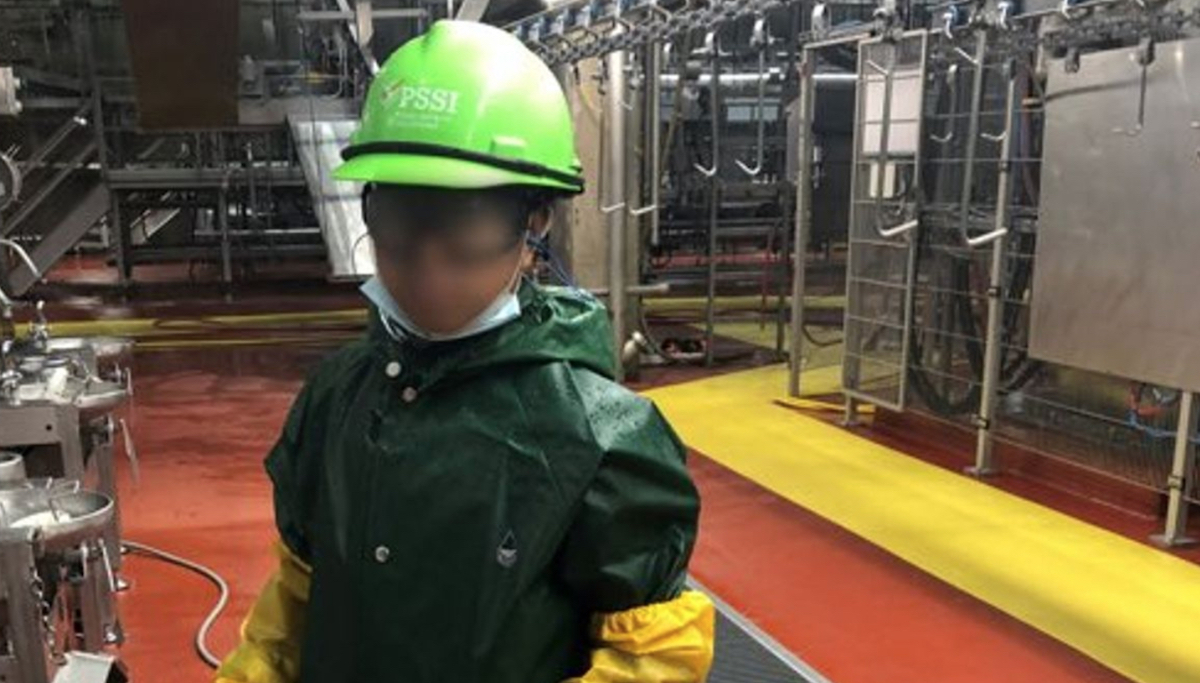
JBS’s NYSE debut on June 13, 2025 glossed over a dark undercurrent—just one day later, ICE green-lighted undocumented labor in meatpacking plants even as JBS pledges to purge child labor through compliance funds and tip‑lines. That $4 million settlement may buy headlines, but who’s actually verifying zero‑tolerance on-site, and why is the government pausing enforcement for adults while prosecuting staffing firms for employing teenagers? As investors cheer the stock debut, the real question is: are vulnerable children still being treated as collateral damage in the drive for profit?
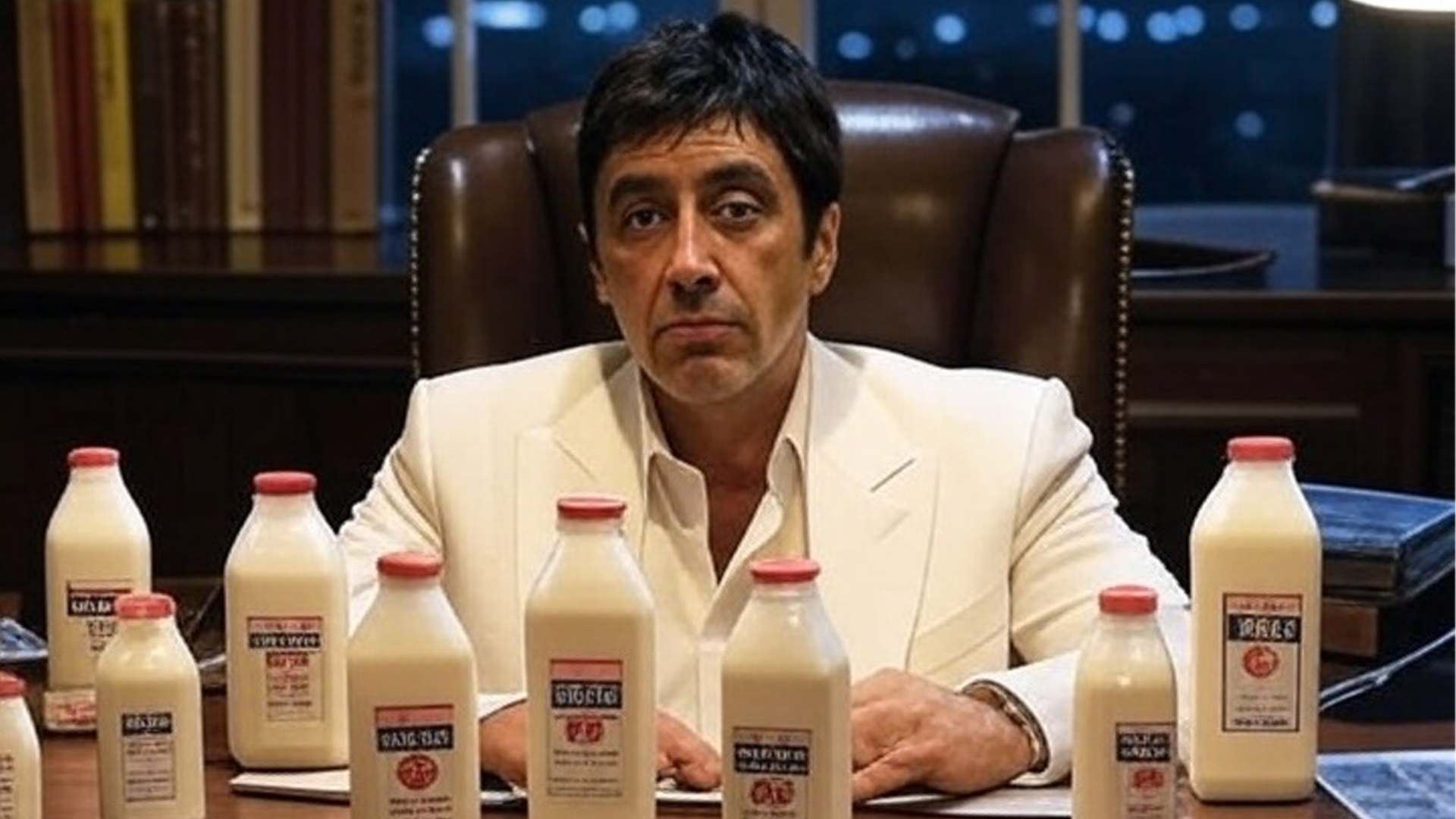
North Carolina’s reversal of a raw milk ban has ignited a national debate over food freedom, pitting consumer demand against outdated federal control. As the FDA suspends milk safety testing amid workforce cuts, questions swirl about whether the government can regulate what it no longer monitors. And in a time where selling raw milk can bring harsher penalties than cocaine, many are asking: who is the real threat?
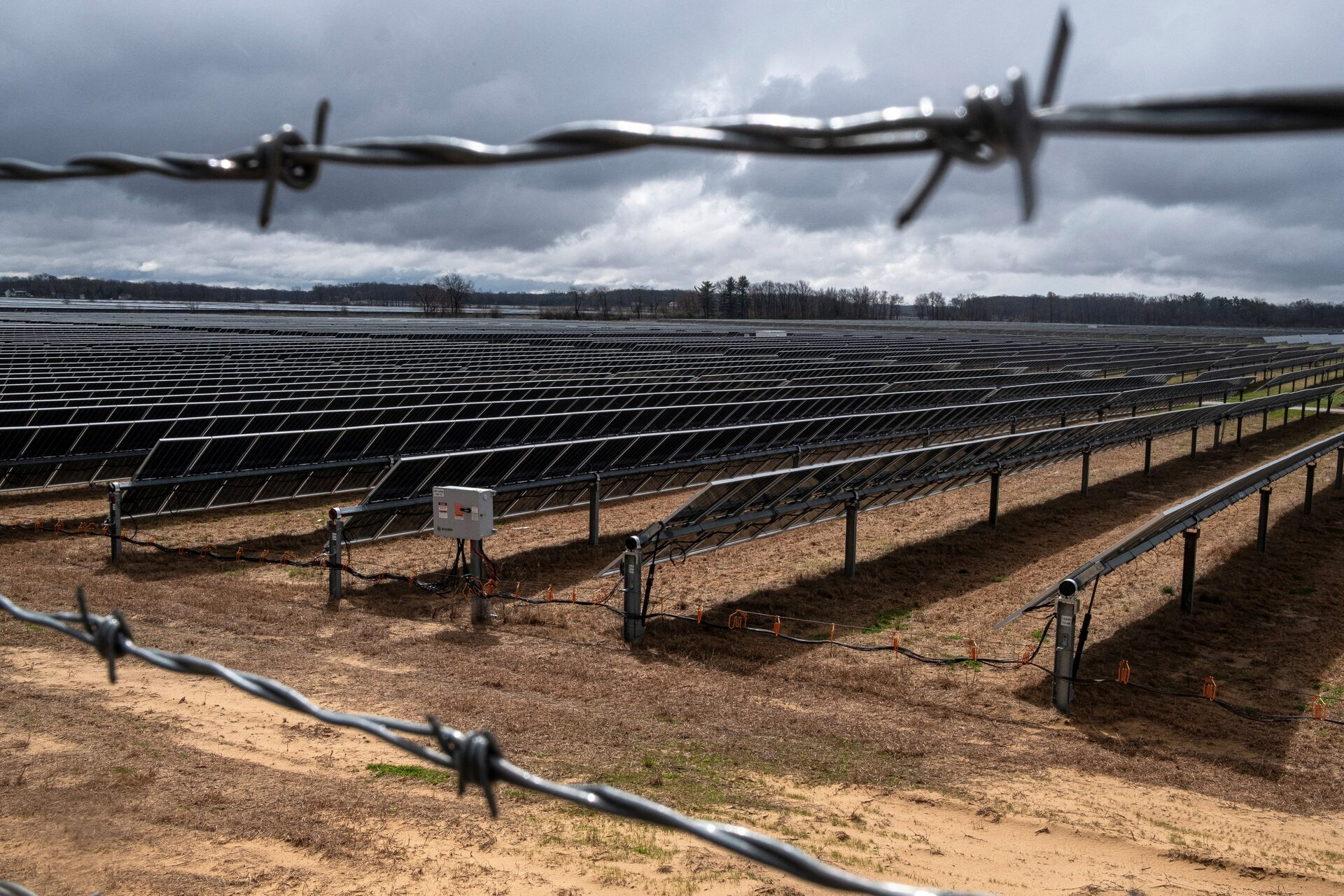
Across the heartland, farmland is being stripped, scraped, and sacrificed—not for food, but for solar arrays. Reuters confirms topsoil in Indiana’s corn belt has already been bulldozed and replaced with sand, rendering once-rich land useless. Farmers like Bryan “Tate” Mayo Jr. are watching centuries-old family farms vanish, asking: “If we lose this land, where will our food come from?
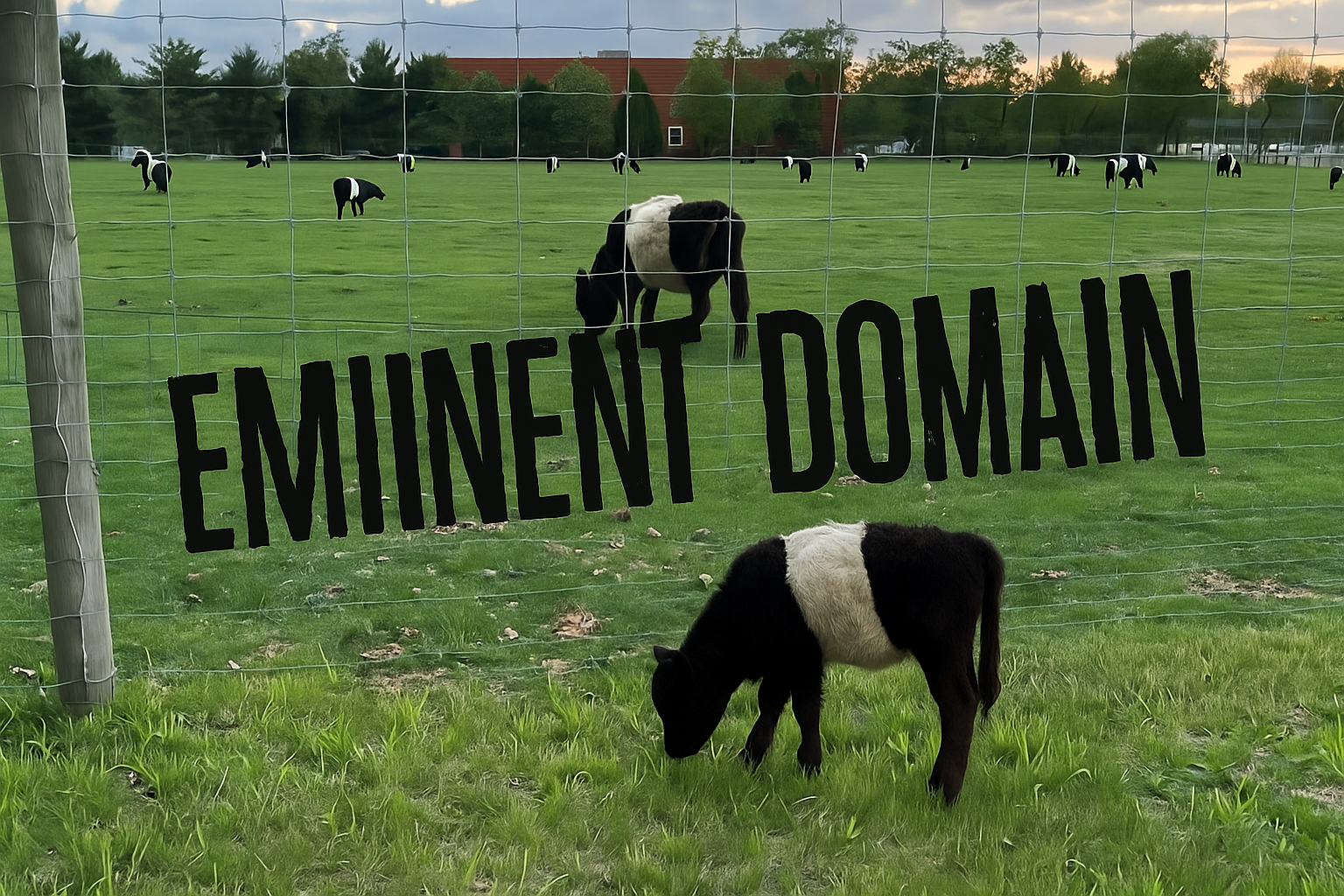
A beloved 150-year-old family farm in Cranbury, NJ, is under threat of eminent domain as the township scrambles to meet state-mandated affordable housing quotas. Locals say the town chose “the most loved land in town” despite having other options—and delivered the eviction threat by mail without conversation. With the clock ticking toward a June 30 deadline, the Henry family is launching a last-ditch fight to save their legacy from concrete.
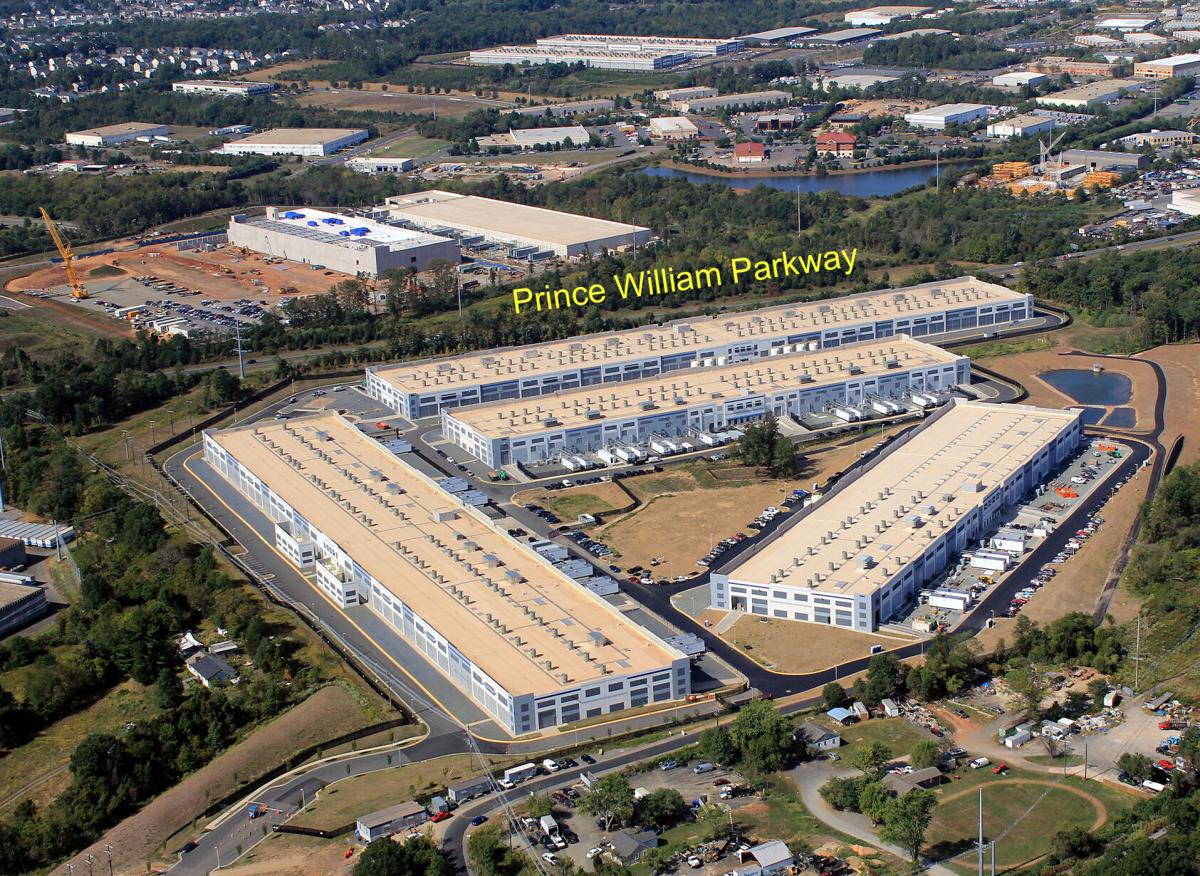
Fauquier County Supervisor Daron Culbertson says selling his family farm to a data center developer was the only economic option left. But for many, it’s just the latest red flag in a growing pattern: Big Tech is carving up rural America while local leaders cash out.
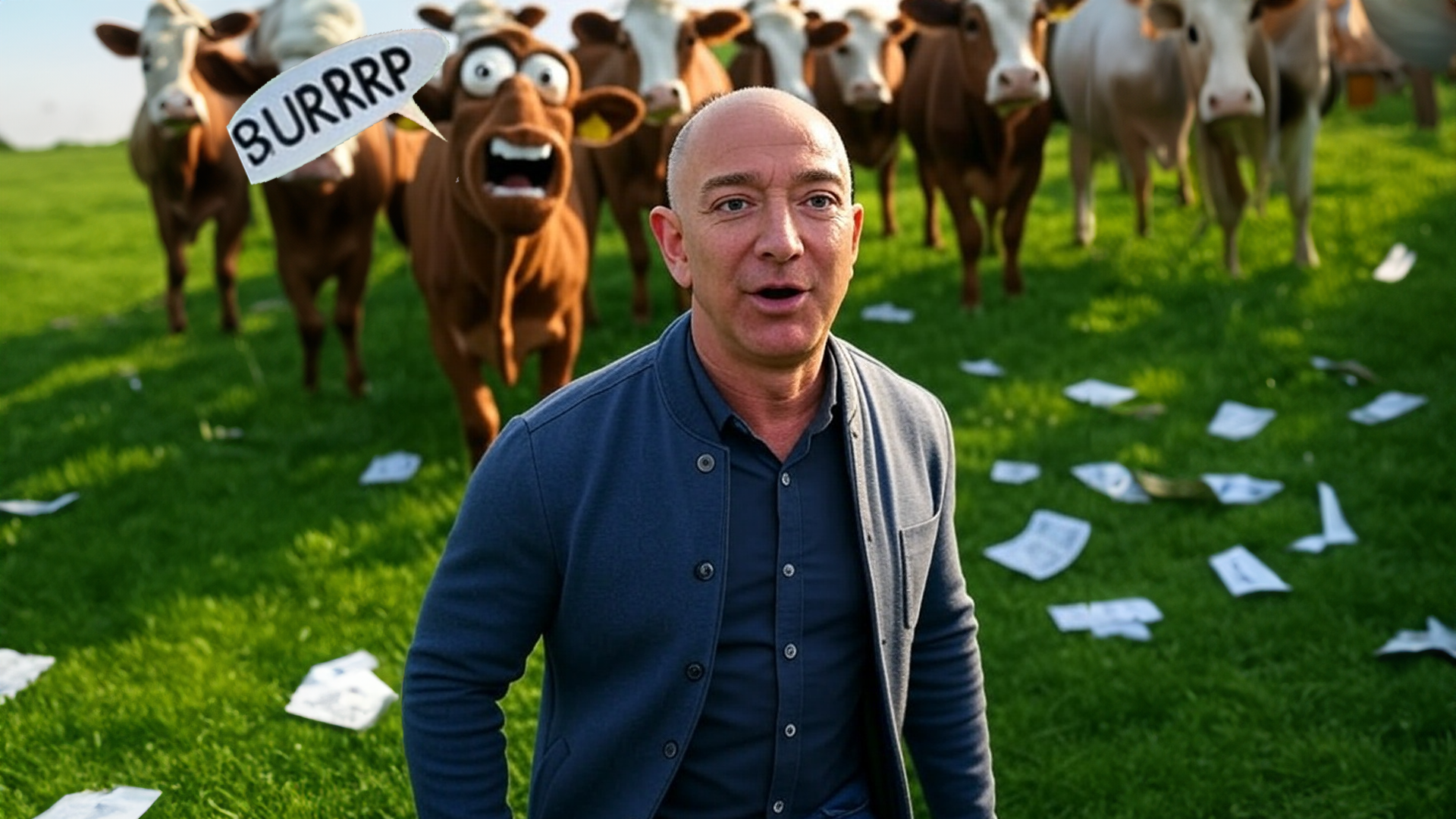
A $4.85 million Bezos-funded methane genetics grant to the Angus Foundation has pushed ranchers to their limit—this isn’t efficiency, they say, it’s the start of climate regulation by stealth. Surprisingly, studies show wild bison emit as much methane as cattle, yet didn’t destabilize the climate. With genetic data growing and auctions looming, independent producers fear losing control of their herds.
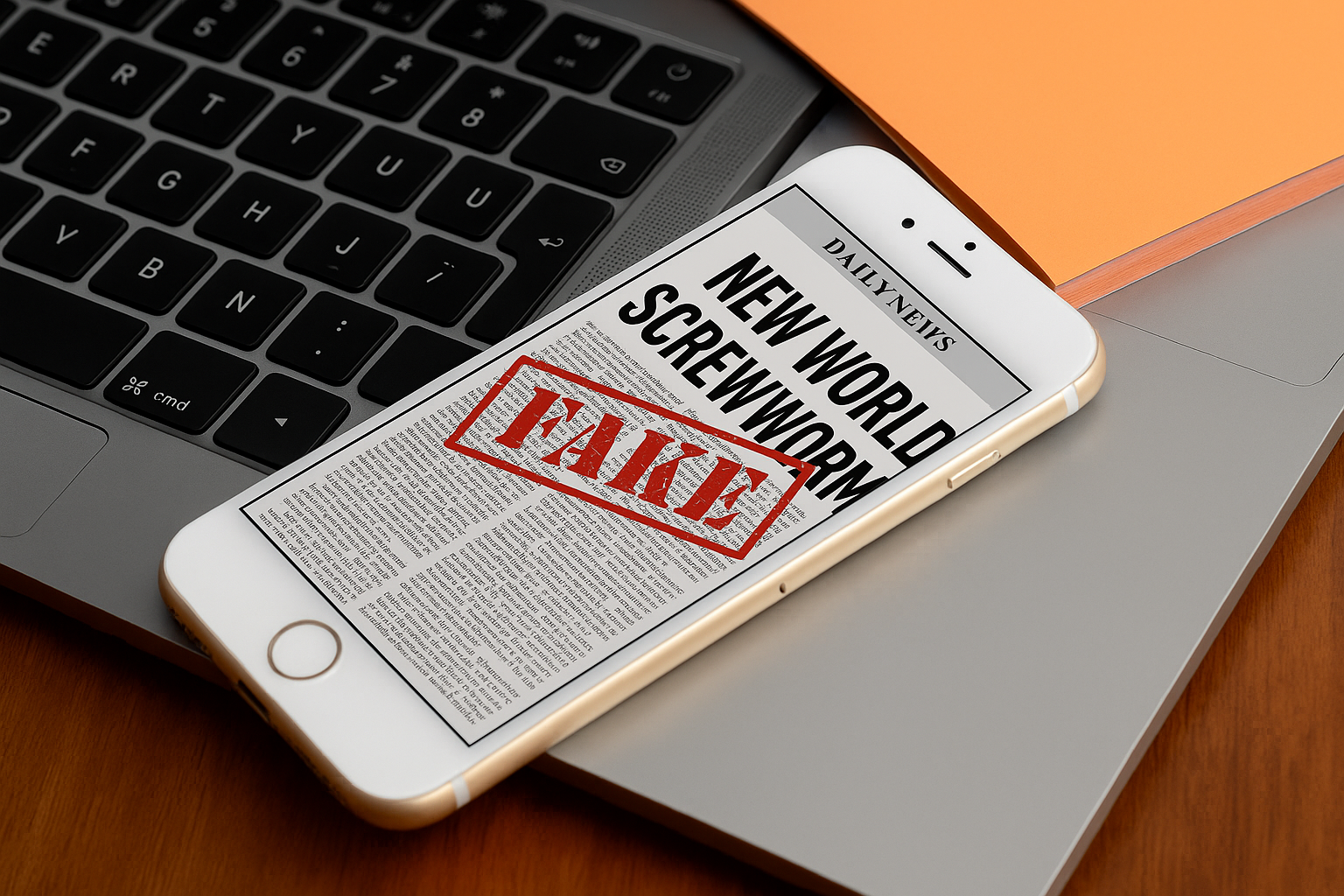
A false report of New World screwworm in Missouri triggered a cattle market drop—and now R-CALF is demanding a federal investigation. The group says the hoax may have been used to manipulate futures markets and profit off panic. USDA and Missouri officials confirmed the claim was fake—but by then, the damage was done.
The USDA’s 2025 outlook projects a nearly 2% decline in beef production, marking the third consecutive year of contraction. With the national cattle inventory at its lowest since 1951 and heifer retention rates plummeting, the industry faces a prolonged supply shortage. This downturn benefits large meatpackers and synthetic protein investors, while independent ranchers bear the brunt.
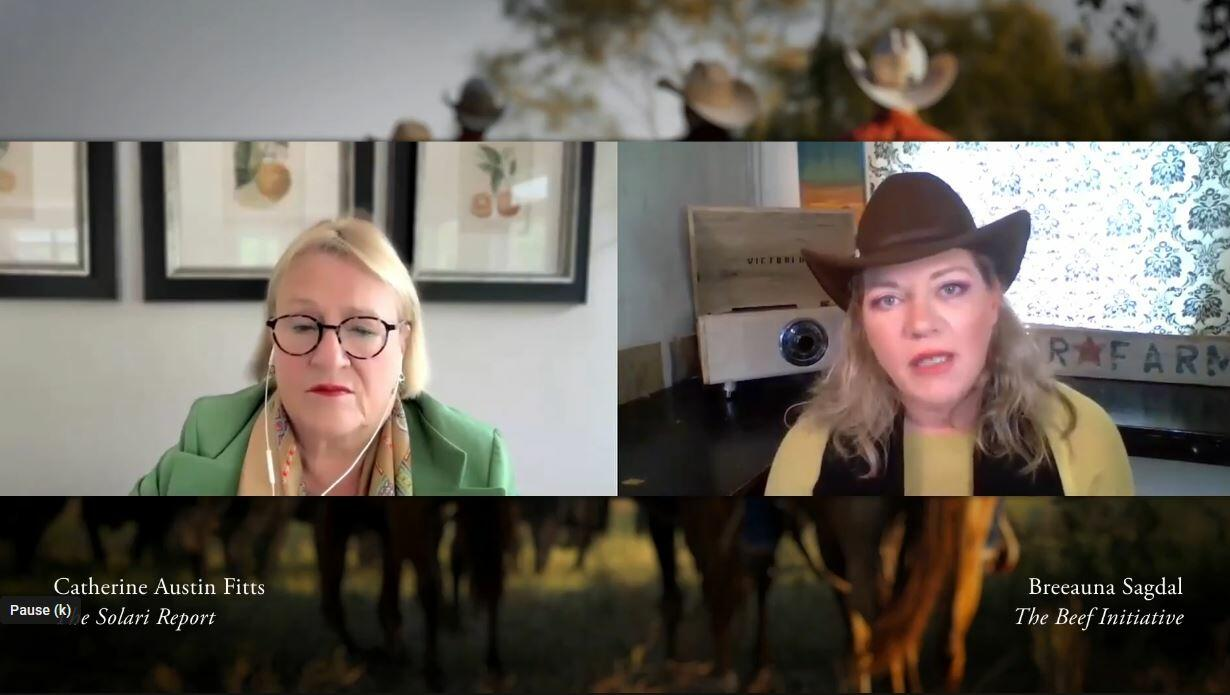
Catherine Austin Fitts warns that the most invasive tyranny in history is arriving through your dinner plate and digital wallet. In a wide-ranging interview with The Beef Initiative’s Breeauna Sagdal, Fitts links land grabs, food centralization, and Central Bank Digital Currencies (CBDCs) as coordinated tools of control. Her solution? Build real wealth by shaking your rancher’s hand and financing food freedom from the ground up.
The USDA’s 2025 budget cuts eliminated two billion-dollar food programs that often funneled public dollars to corporate suppliers posing as “local.” Advocates for real food sovereignty welcomed the shift, calling it a necessary correction. When “local” gets hijacked by Big Food, the solution isn’t more funding—it’s more transparency.
A new bipartisan bill aims to reinstate Mandatory Country-of-Origin Labeling (COOL) for beef, forcing grocery stores to disclose where cattle were born, raised, and slaughtered. Since COOL was repealed in 2015, foreign beef has routinely been labeled “Product of USA” despite being imported—misleading consumers and undercutting American ranchers. The legislation marks a pivotal fight between food transparency and global meatpackers.
Brazilian meat giant JBS, long plagued by corruption scandals and deforestation ties, has been approved to list on the New York Stock Exchange. With nearly 85% voting control retained by its founding family, the IPO grants JBS unprecedented access to U.S. capital while tightening its grip on the global protein supply. Critics warn the move rewards corporate crime and accelerates consolidation across American agriculture.
The so-called beef shortage isn’t just fallout from drought and inflation—it’s the endgame of decades-long corporate sabotage. Independent American ranchers were systematically squeezed out by foreign imports, packer monopolies, and the repeal of truth-in-labeling laws like COOL. The result: a gutted cattle industry, rising consumer prices, and a nation increasingly dependent on foreign protein—all by design.
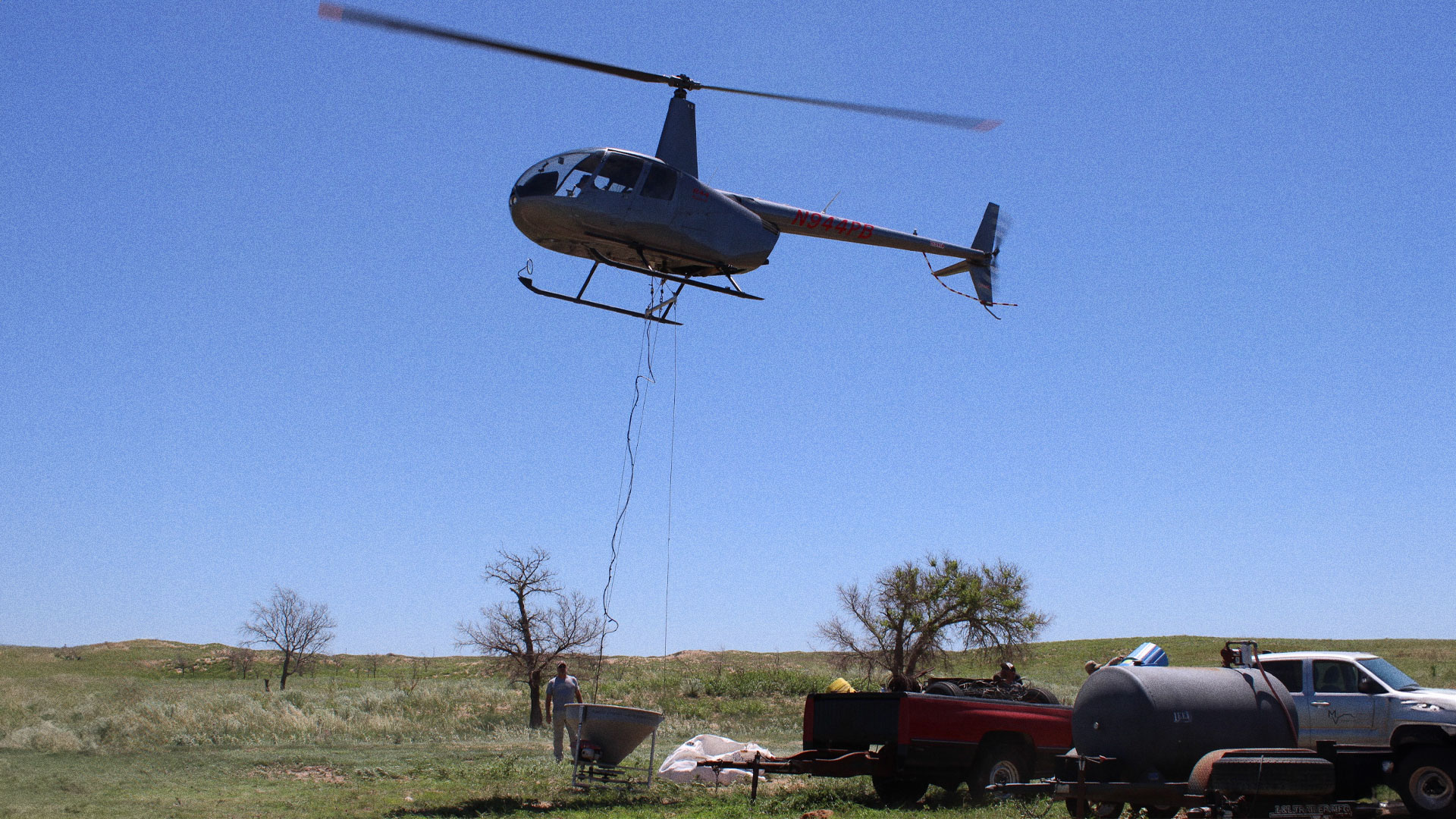
A flesh-eating parasite known as New World Screwworm (NWS) has breached the long-standing biological barrier at the Darién Gap and is now rapidly advancing through Mexico, prompting an emergency livestock embargo along the U.S. southern border. The parasite, which infests wounds and mucous membranes with larvae that bore into living flesh, poses a grave threat to both public health and America’s already fragile cattle supply. USDA officials warn the outbreak could cripple domestic livestock production if not contained, calling it a national security crisis.
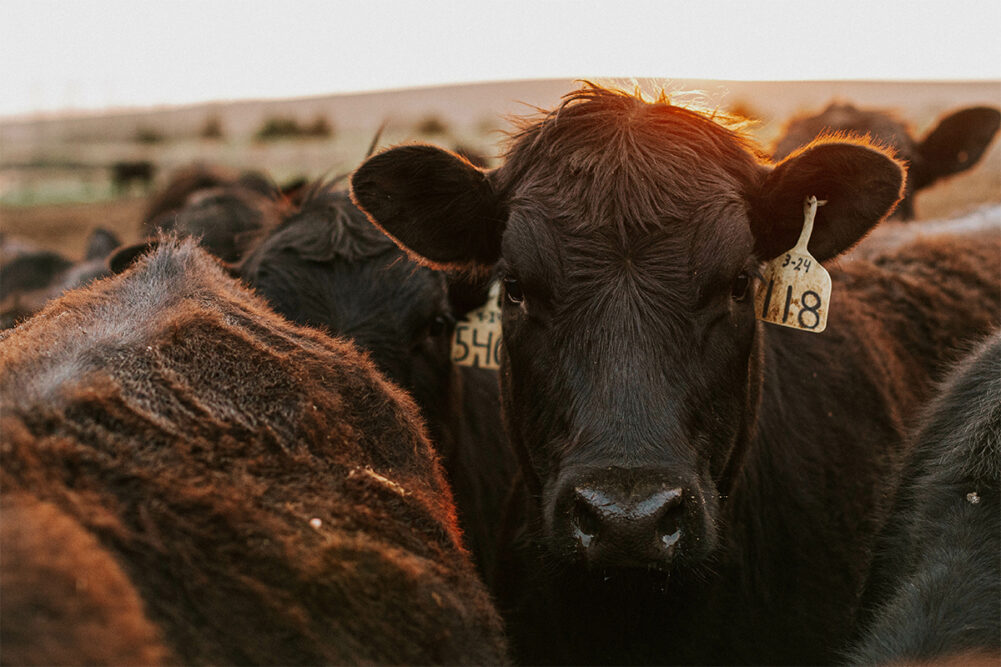
America’s beef herd has plunged to its lowest level since 1951, driving up prices and threatening long-term food security. Ranchers are caught in a vicious cycle—selling off breeding stock under pressure—while foreign land grabs and regulatory barriers shrink their ability to recover. Rebuilding the herd isn’t just about burgers; it’s about sovereignty, survival, and restoring control over our food supply.
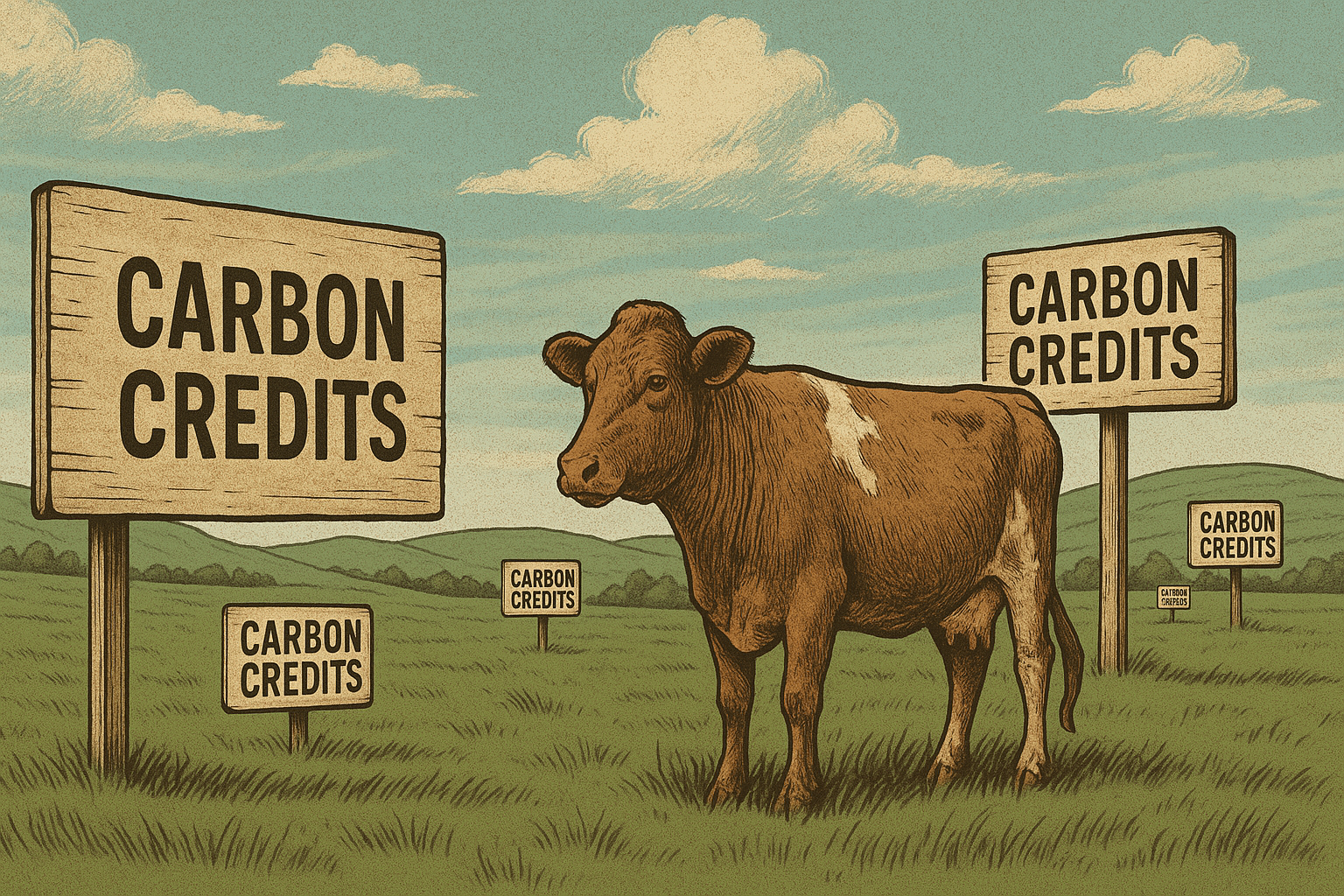
Biden’s USDA funneled rural development funds into corporate carbon schemes, crippling domestic supply chains and empowering multinational monopolies. Now, under Trump’s leadership, the corporate welfare spigot is closing—and the junk science behind it is being dragged into the light. From carbon-neutral cattle to gut-driven cures for autism, real innovation is finally getting a fair shot.
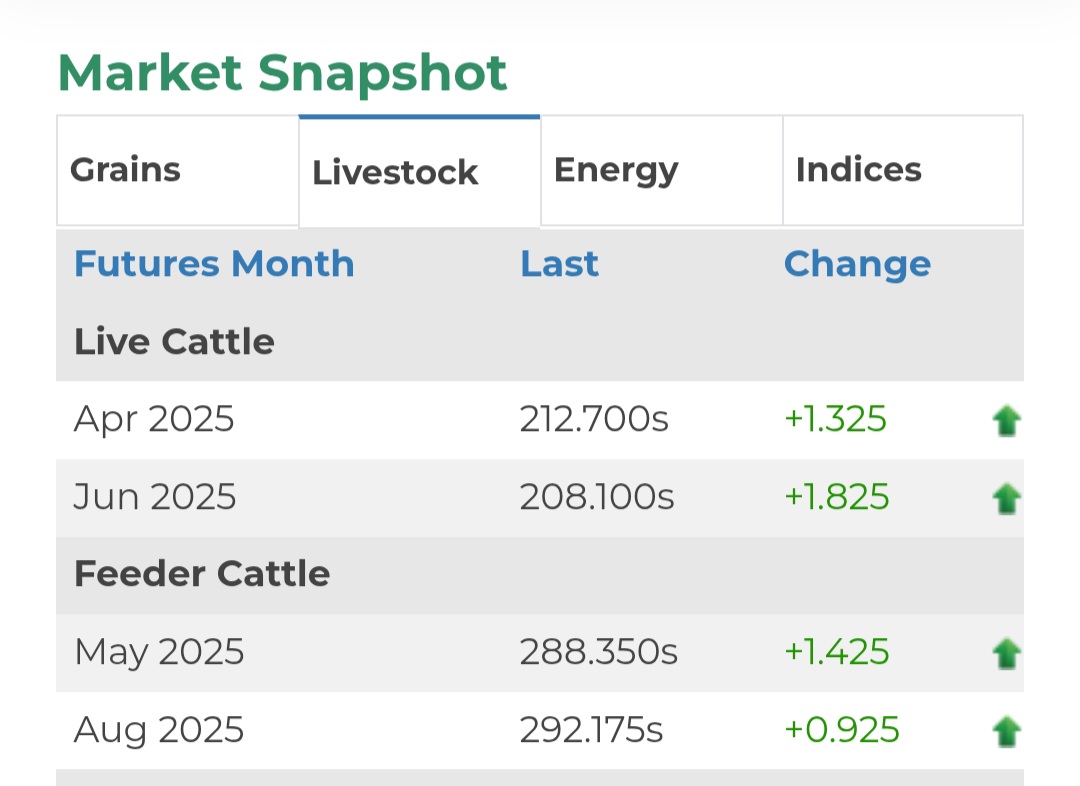
Cattle prices are surging as the market rebounds from years of artificial suppression and supply shocks. Texas Slim says this moment was inevitable—the cost of food has been propped up by government intervention for too long, and now the bubble has burst. With herd numbers at 73-year lows and 47 farms closing daily, Slim and others say buying a cow isn’t just smart economics—it’s a stand for freedom.
Retrospective Policy Paper by Door to Freedom
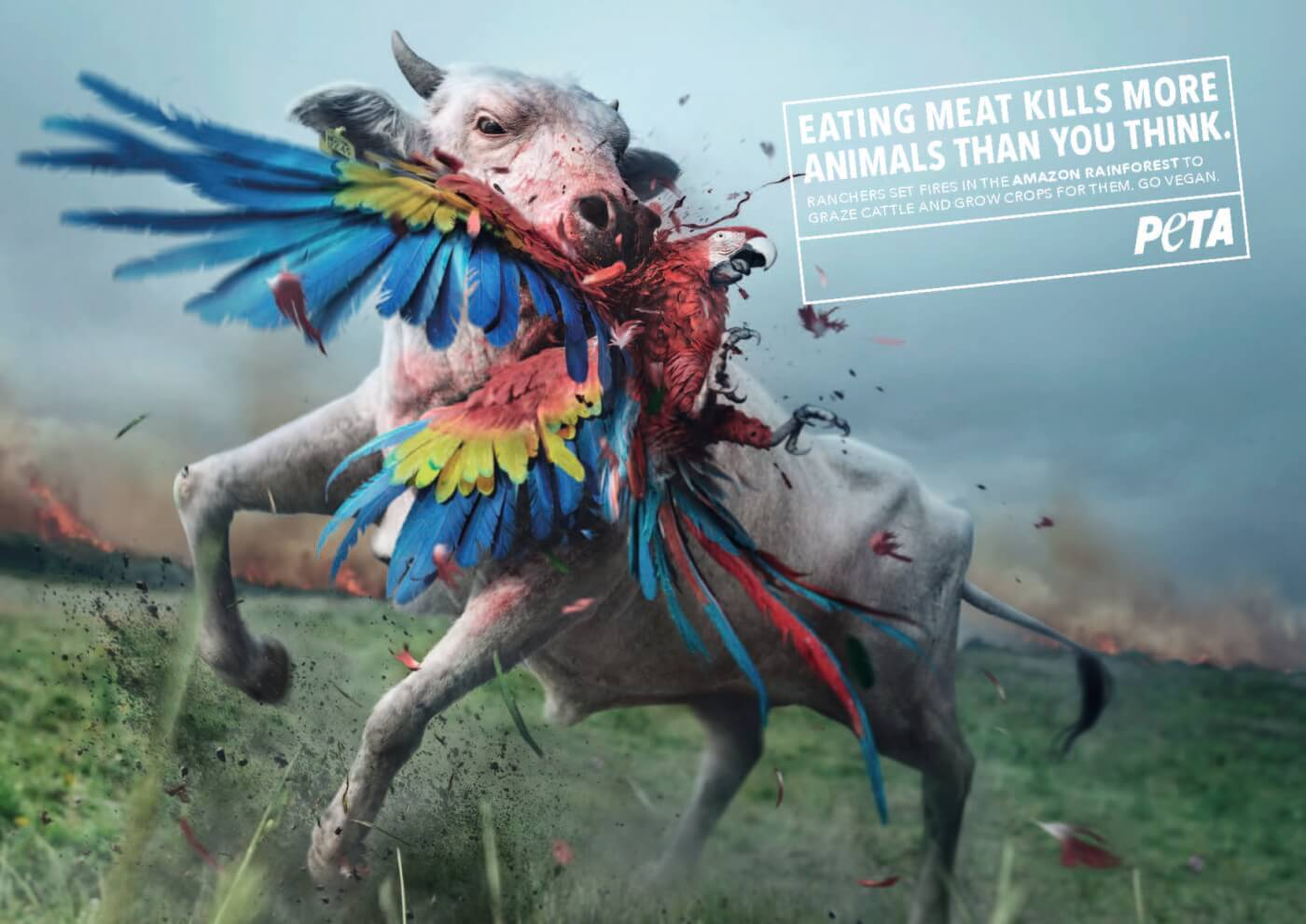
For decades, animal rights groups and media have painted ranchers in a negative light—portraying them as cruel, outdated, or inept. Now, this cultural smear campaign has seeped into public policy with Texas bills like HB 147 and HB 1417, proposing a centralized, searchable livestock brand database. Ranchers argue that such a system, under the guise of efficiency, could become a tool for surveillance, control, and forced compliance with global agendas.
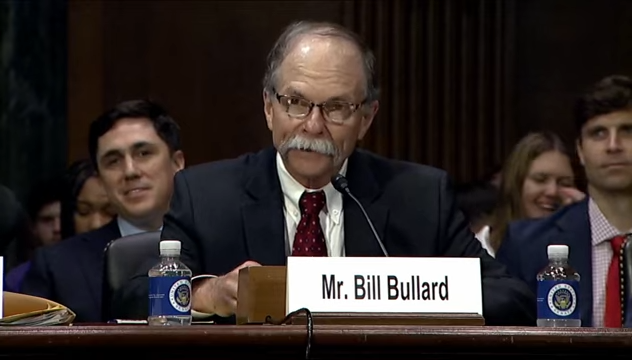
With U.S. cattle volumes at historic lows and family ranches vanishing, R-CALF USA and The Beef Initiative are urging a bold new direction—starting with tariffs. In a powerful joint message, Bill Bullard and Texas Slim highlight how decades of zero-tariff policies have devastated domestic producers and paved the way for foreign monopolies to dominate America’s meat supply.
Cornfed beef delivers unmatched flavor and marbling—but it comes at a metabolic cost for both cattle and consumers. Now, a Kansas-based company claims it can rewrite that narrative with a simple feed additive that boosts omega-3s and lowers the inflammation tied to high-corn diets. If it works, it could be the breakthrough that saves feedlot beef from its own collapse—without giving up the taste America loves.
BetterFedFoods (BFF) is pioneering regenerative solutions that enhance soil health, improve cattle fertility, and reduce emissions, backed by research from Kansas State University. Their new Pollock, South Dakota facility expands these benefits to tribal communities, testing BFF’s algae-based program on buffalo and beef while fostering economic growth. By improving genetics, boosting Omega-3 content in beef, and reducing pharmaceutical reliance, BFF is creating a healthier, more sustainable future for ranchers and consumers alike.
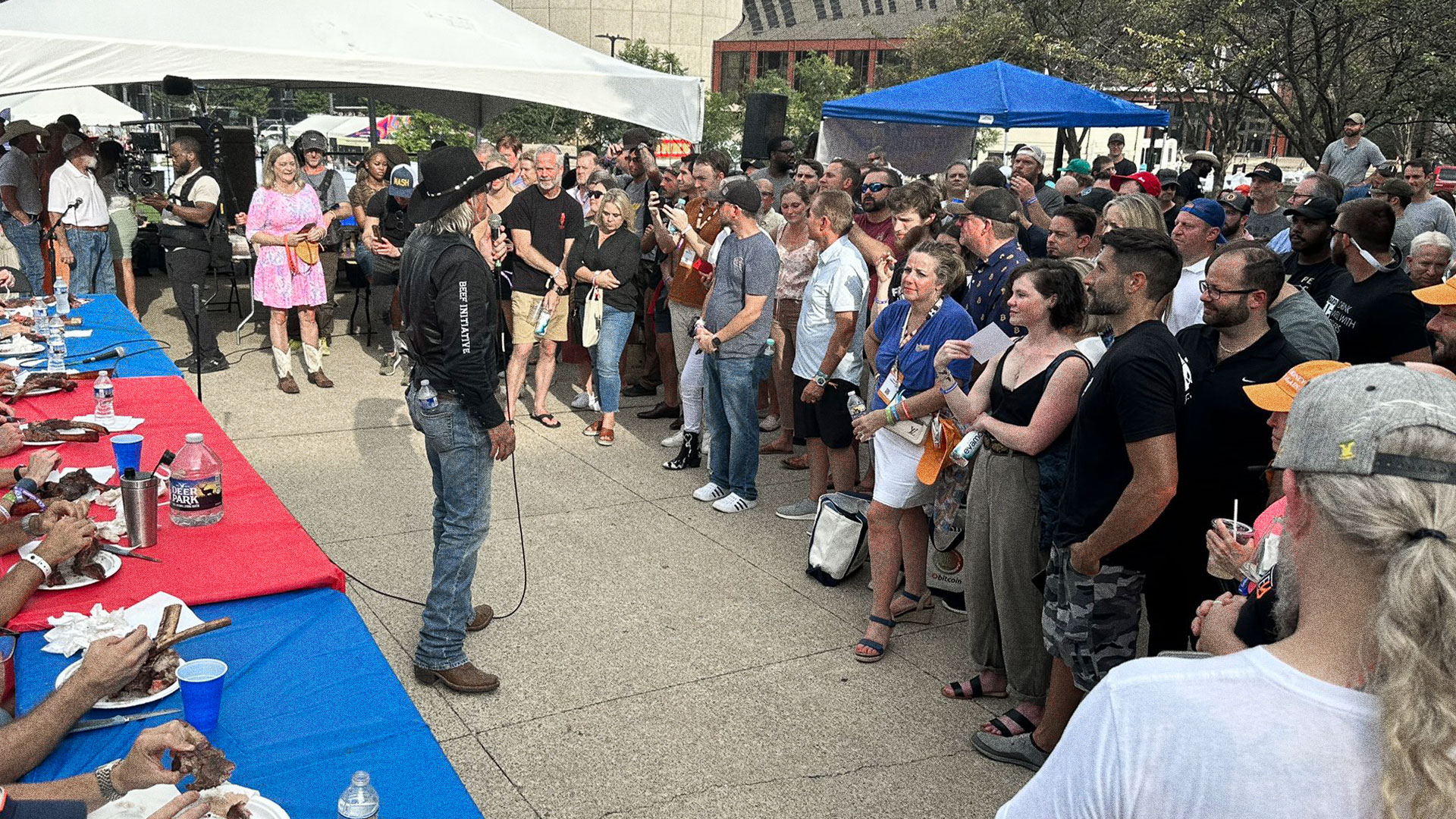
The Beef Initiative is forging a new path for ranchers, using Bitcoin and peer-to-peer technology to break free from multinational packers and government control. In a live Twitter Space hosted by MrWagmi, Texas Slim, June, and partners laid out their vision for decentralizing the beef supply chain and protecting family farms. From Bitcoin-funded herd expansions to a growing global map of ranchers, this conversation reveals how ranchers are reclaiming their independence—one cow, one handshake, and one Bitcoin transaction at a time.
Cole Bolton, a dynamic rancher and banker, redefines modern ranching by embracing innovation, community partnerships, and decentralized food systems, advocating for transparency and sustainability in agriculture and finance.
Explore the Beef Checkoff vs. I Am Texas Slim Foundation debate and discover how this nonprofit offers a game-changing alternative. While the Beef Checkoff program centralizes funds that often support industrial imports, the I Am Texas Slim Foundation reinvests every dollar directly into American ranchers, strengthens local food security, and fosters the next generation of sustainable agriculture
Explore how the USDA's proposed changes to the Packers and Stockyard Act could unintentionally raise food prices, burden small processors, and consolidate power within the largest meatpacking corporations. Learn more about the potential impact on consumer costs and market competition.
Beef Cow Recovery Slows, But Texas Slim's Fire Relief Efforts Offer New Hope for Ranchers—See How Strategic Actions Are Paving the Way for a Brighter Future in American Beef Production.
Discover how Texas Slim and The Beef Initiative are revolutionizing the cattle industry with innovative strategies, direct-to-consumer models, and the inspiring stories of young ranchers like Emily and Jesse. Can their bold vision turn the tide?
Recent cyber threats have exposed vulnerabilities across industries, including our food supply chain. The Beef Initiative is championing decentralization and digital sovereignty to protect our food systems. Explore our new resource for Bitcoiners, learn how Bitcoin supports decentralization, and understand the role of RFID tags and KYC regulations in the cattle industry.
Crowdstrike Pushes Update, Exposes Food Supply Vulnerabilities: How Decentralization and Digital Sovereignty Can Protect Our Family Farms
Your cart is empty
Browse our Gold Standard ranches and add some cuts.