When the Compadre Builds the Packing Plant
Mexico's federal government is pouring hundreds of millions of pesos into a Sonora meatpacking corridor — one built precisely as Washington shut the border over screwworm — while the company best positioned to capture it is run by a man who has never explained his photograph with El Mayo Zambada.
Investigative | July 9, 2026
Sixteen years ago, a Sinaloa gubernatorial debate stalled on a single question no one on stage could answer cleanly: was the man who wanted to run the state also compadre to the world's most notorious cattle-country narco-trafficker? Jesús Vizcarra Calderón never gave a straight denial then, and the photograph tying him to Ismael "El Mayo" Zambada has followed him ever since — through the rise of his company, SuKarne, into one of Mexico's largest meatpacking operations.
That's the man whose industry now sits astride the biggest realignment of Mexican beef processing in a generation, one built with Mexican federal money, timed precisely to the moment Washington slammed the border shut on Mexican cattle.
The border closed. The packing plants multiplied.
The chain of events is not in dispute. In May 2025, Secretary of Agriculture Brooke Rollins suspended live cattle, horse, and bison imports across every southern port of entry, citing the northward march of New World screwworm. By July, Rollins shut the reopening schedule down entirely after a new case surfaced 370 miles from the border. The pest kept coming anyway. By June 2026, APHIS was confirming screwworm in a Zavala County, Texas calf — the first domestic detection in sixty years.
Mexico's response wasn't to choke off the smuggling corridors that everyone from Texas cattlemen to federal veterinarians blame for the outbreak. It was to build. Governor Alfonso Durazo, backed by President Claudia Sheinbaum, broke ground in June on the Centro Integral Ganadero outside Hermosillo — a 471-million-peso complex administered by the Unión Ganadera Regional de Sonora that will quadruple regional feed capacity, expand reception yards to two thousand head, and modernize slaughter throughput at the Rastro PEGSON facility from 420 to 600 head a day. The Agua Prieta quarantine station, sitting a few miles from the Arizona border, is doubling its own capacity to six thousand head daily.
Ranchers get inspection stations. Washington gets drones.
Here is the mechanism worth sitting with: the same federal government demanding accountability from Mexico is pouring its own money into surveillance of American ranchers rather than interdiction of the smuggling pipeline everyone agrees is driving the outbreak. In January 2026, USDA launched the New World Screwworm Grand Challenge — up to $100 million for sterile-fly production, traps, and "preparedness" tools. Not one funded priority targets the cartel-linked trafficking networks that Mexican authorities themselves estimate move roughly 800,000 head of cattle a year across unregulated Central American corridors, laundered into the legal supply with counterfeit ear tags before some of it reaches TIF-certified plants.
The federal Screwworm.gov dashboard tracks every confirmed case down to the county. Nobody is tracking, with anything like that precision, which pesos are flowing into a Sonora meatpacking corridor sitting inside a state where Sinaloa-derived factions are fighting over cattle theft, extortion, and ranch takeovers. The unified federal response at Screwworm.gov talks trapping, dogs, and tick riders. It does not talk about who owns the plants on the other side of the fence.

Not the cartels. Us.
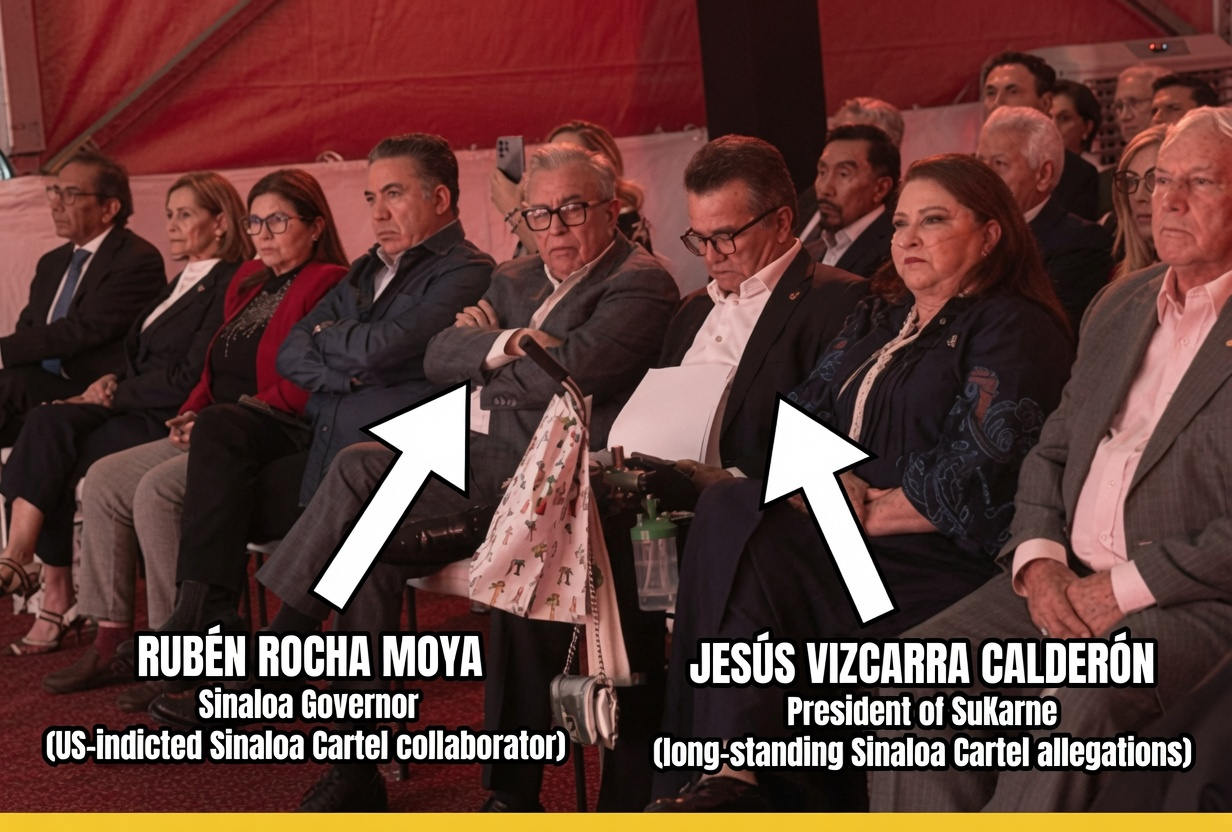
SuKarne is not accused of a crime. Vizcarra denies any operational tie to organized crime, and no U.S. indictment names the company. But the photograph placing him at a Culiacán ranch alongside Zambada has never been explained away, only aged. That's the ambient risk of doing business in a beef corridor where narco-adjacent money, legitimate ganadero unions, and federal infrastructure spending all sit on the same hundred-hectare tract. Ranchers don't get the benefit of the doubt. Consolidated packers do.
Every peso Mexico spends industrializing that corridor is a peso that entrenches the packers already positioned to capture it — while the American rancher whose herd sits at a seventy-five-year low absorbs a border closure, a surveillance regime, and zero say in who controls the plants processing the beef eventually headed for U.S. shelves.
More processors, fewer price fixers, zero blind spots
The fix was never a bigger dashboard. It's decentralization: regional and cooperative processing that keeps ownership, and accountability, visible — not concentrated in a handful of border-corridor conglomerates with decades of unanswered questions. Independent, rancher-direct supply chains aren't just a market preference anymore. They're a biosecurity strategy.
Every dollar spent tracking the fly and not the money is a dollar spent defending the wrong border.
The border closed on Mexican cattle, but Mexican federal money kept flowing into a meatpacking corridor tied to the country's most notorious cartel photograph. Washington funded drones for American ranchers instead of auditing who owns the plants.
More in Investigative
 chevron_right
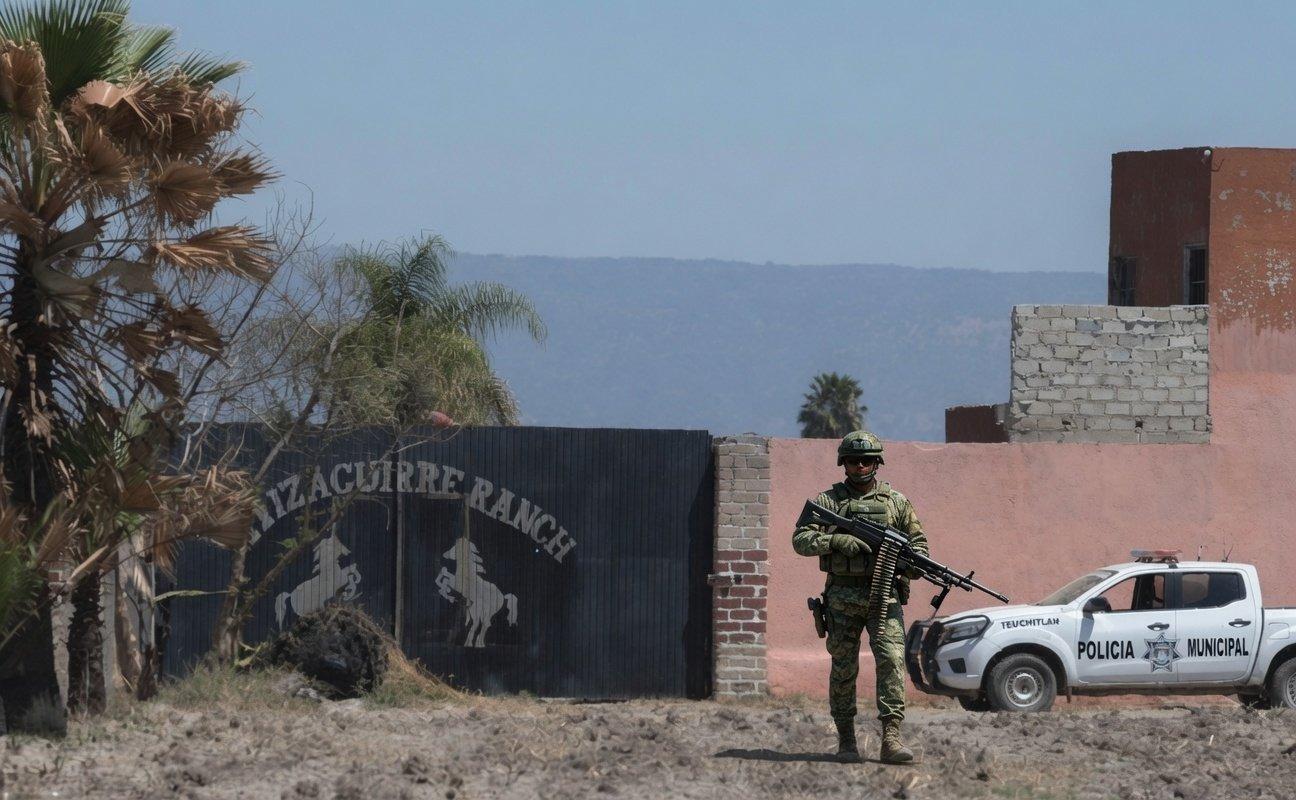
Sixty Years of Clean Land. Then the Cartels Sent the Cows.
Jun 18, 2026 · Beef News
 chevron_right
Washington State's Own Wetland Specialist Doubted the Case. They Fined the Farm $204,000 Anyway.
May 27, 2026 · Beef News
 chevron_right
The State is Evicting a Fifth-Generation Rancher for a Danish Energy Conglomerate
May 17, 2026 · Beef News
 chevron_right
Nine Days: DOJ Names Them, Trump Family Dines With Them, White House Flies One to Beijing
May 14, 2026 · Beef News