Category
42 stories
Indiana capped state health department overreach at the federal floor — a cleaner, more legally replicable move than New Hampshire's vetoed attempt to go under that floor. The bottleneck didn't move. The lane around it just got wider, and safer.
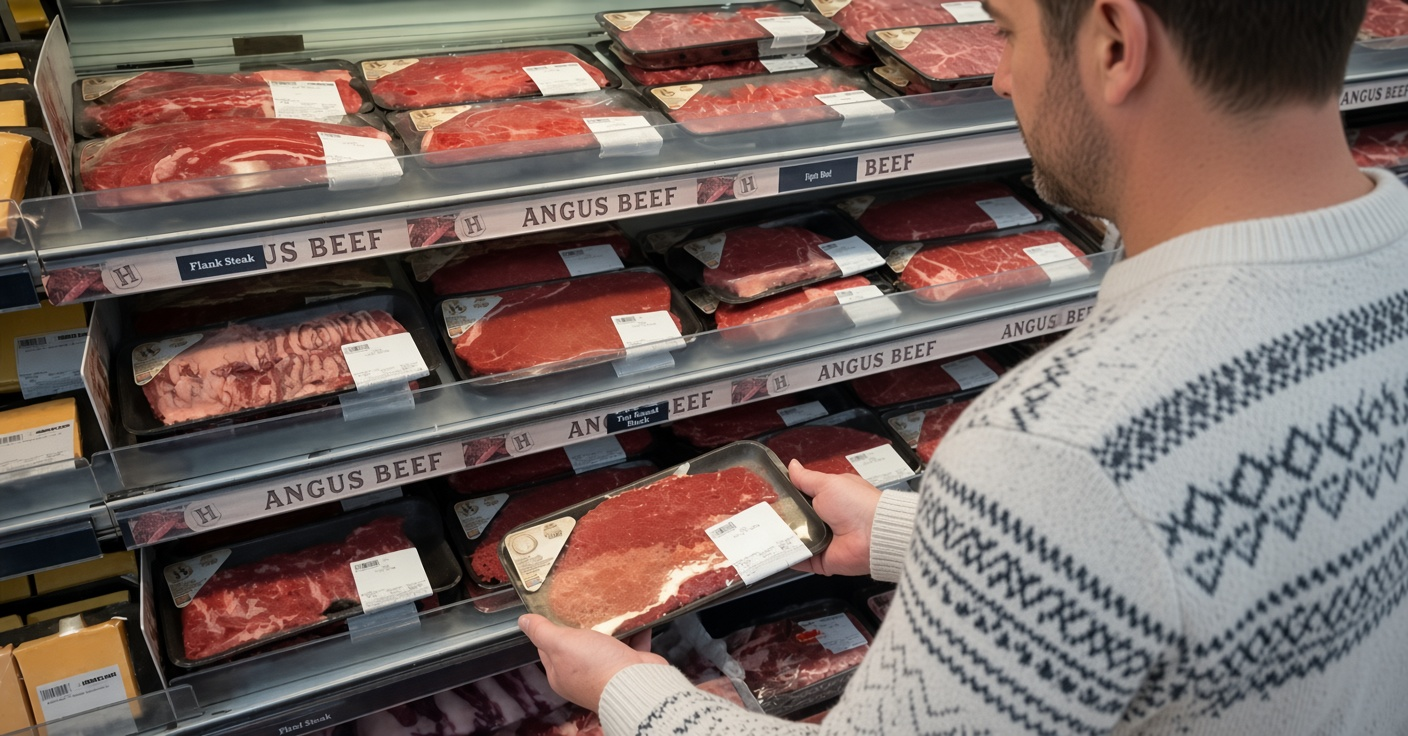
Congress isn't voting on beef labels today. It's voting on whether to hand that decision to the trade office that lost the lawsuit that killed the last one.
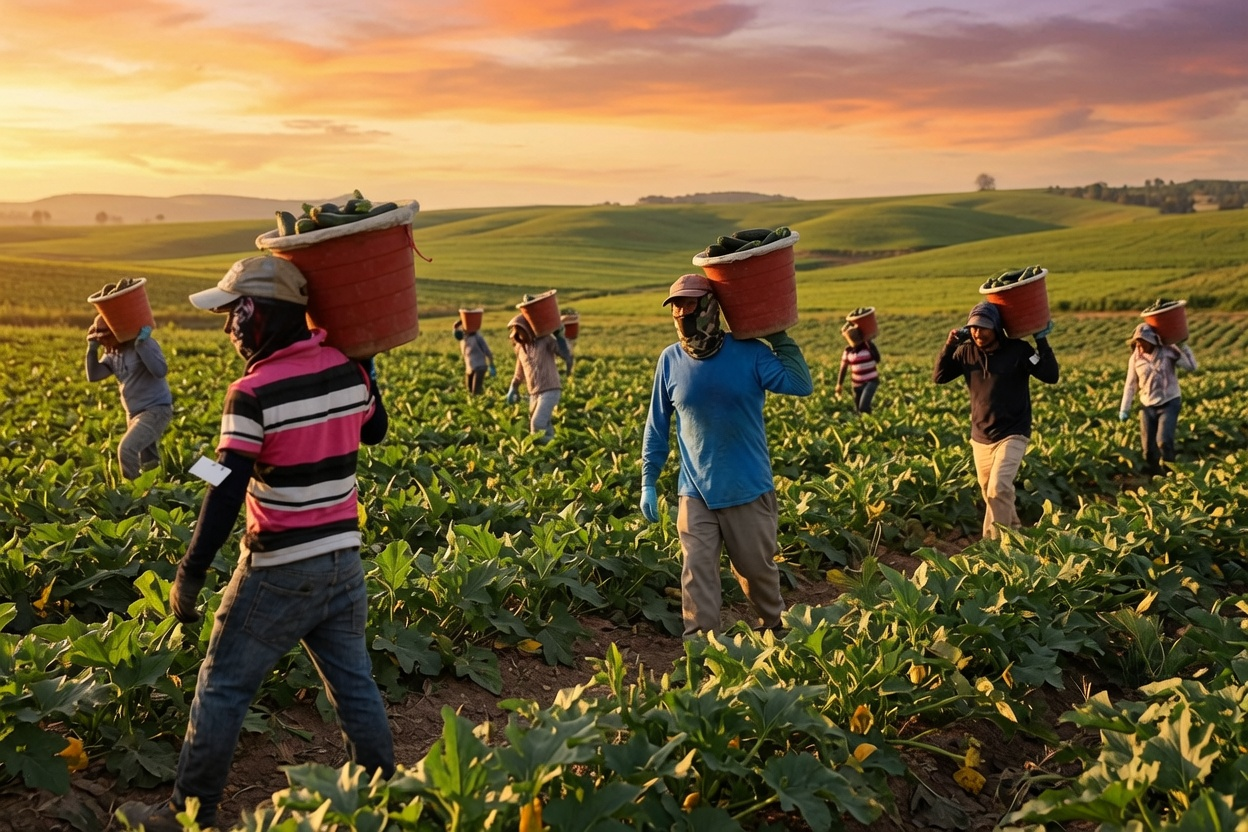
H.R. 9535 caps ag wage growth at 3.25% a year and writes slaughterhouse labor into H-2A law for the first time. The amnesty debate is a decoy. The wage cap, paired with easier legal access to a packing-floor guest-worker pipeline, is the payload.
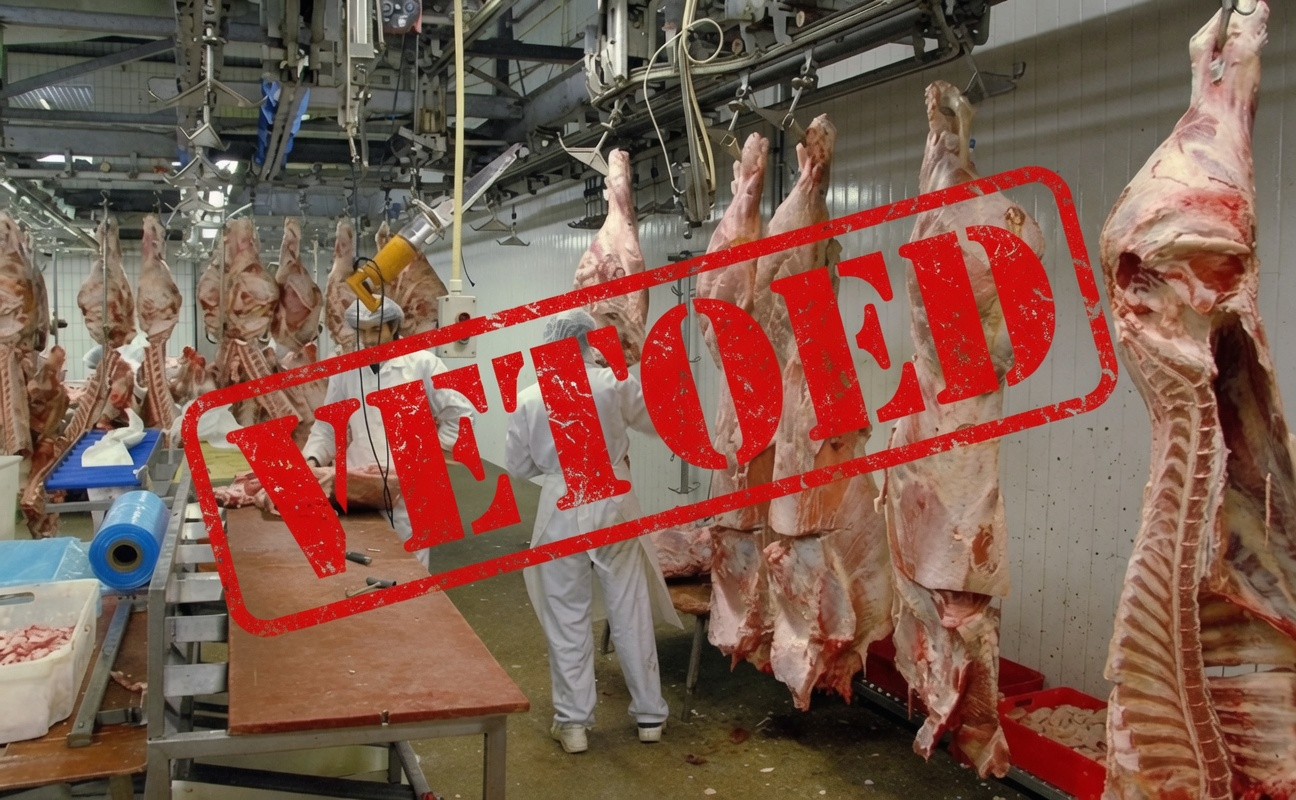
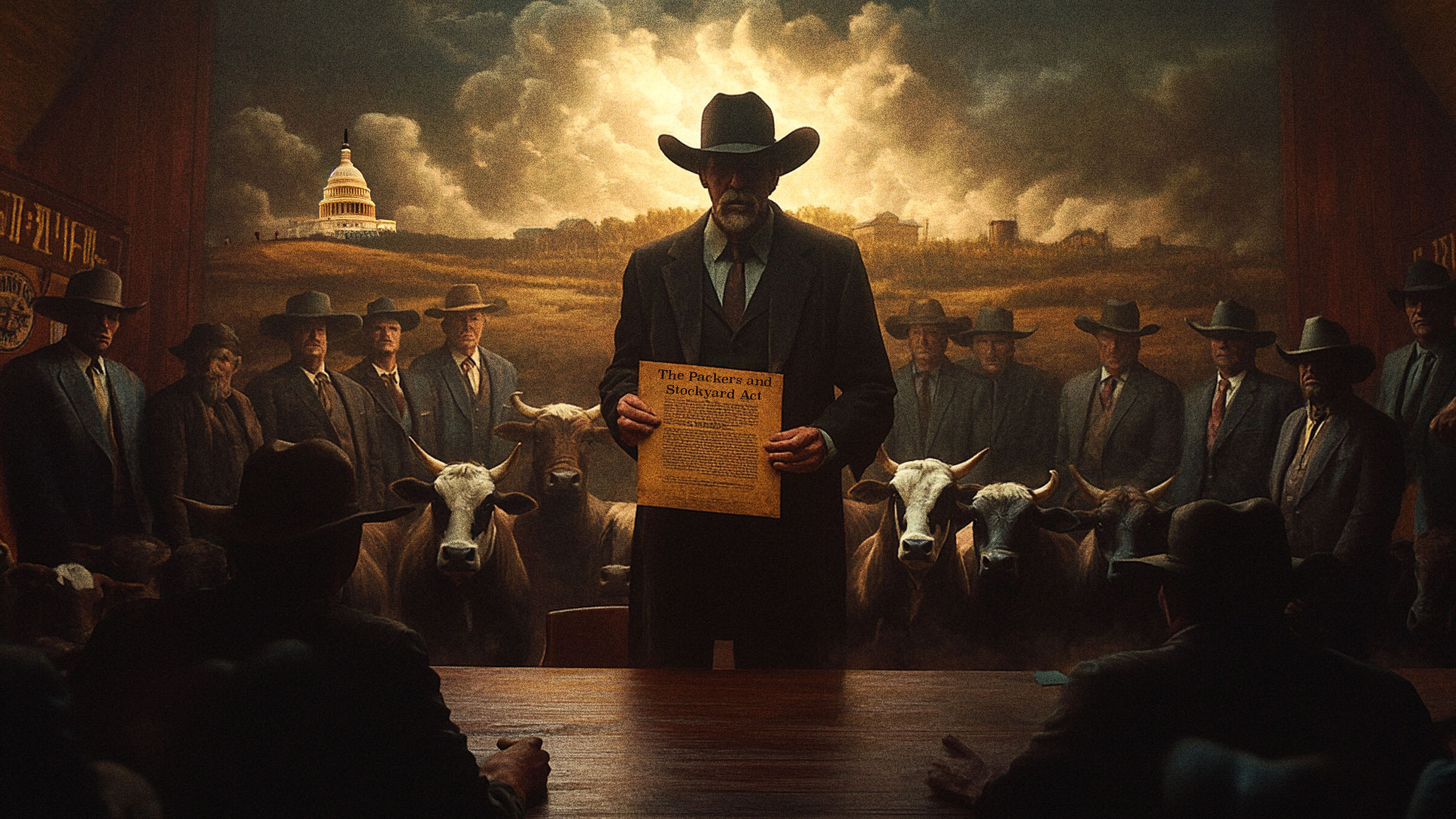
A New Hampshire lawmaker tried to fix her state's four-plant meat bottleneck. Her bill got vetoed — and the same 1967 federal law that killed it is the one that built the beef industry's four-firm monopoly.
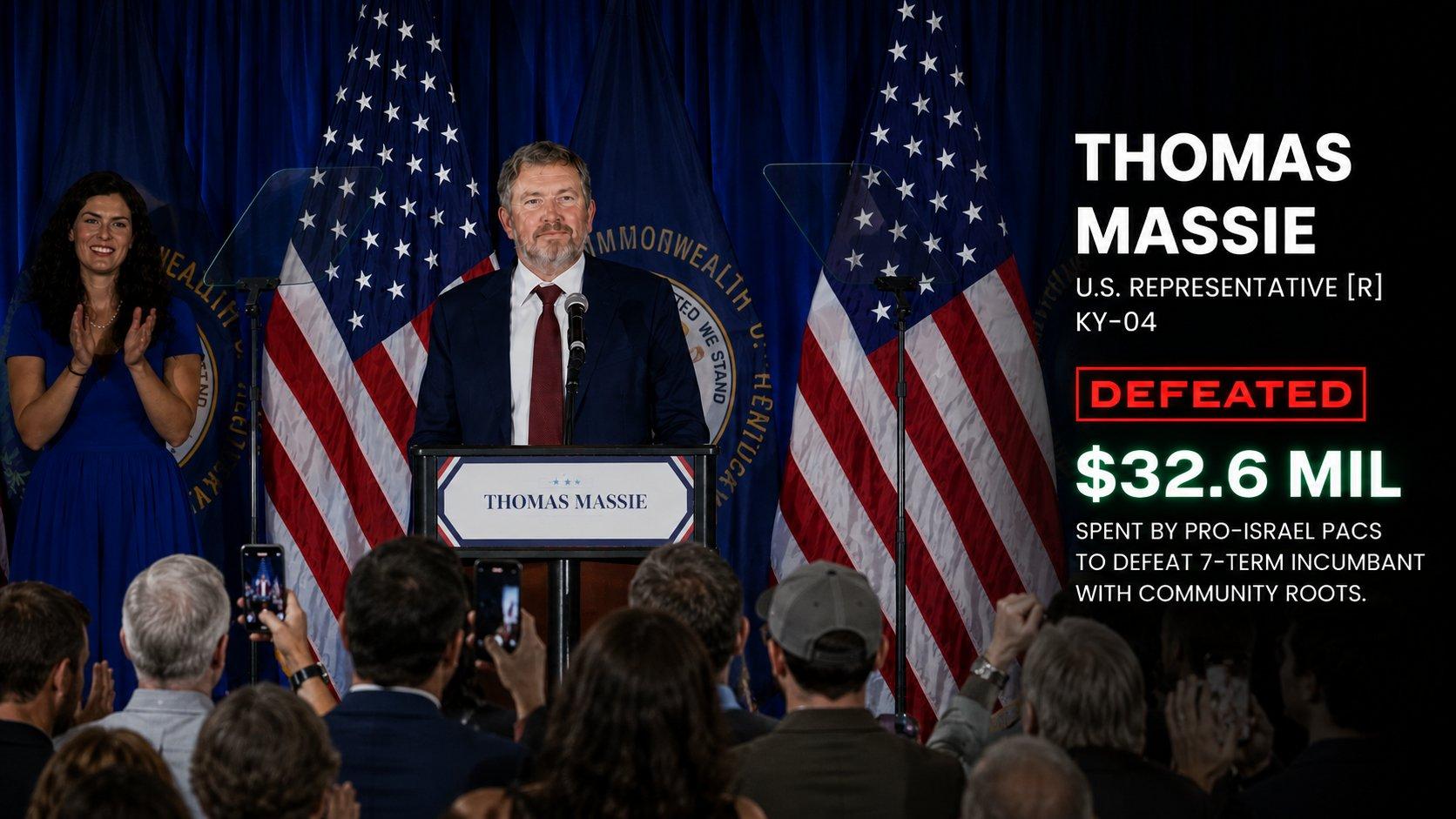
Thomas Massie put the PRIME Act in the Farm Bill nineteen days before $32.6 million in foreign lobbying money ended his career. The movement that just won a legislative victory lost its only legislator. What comes next is on us.
The USDA is calling it modernization. What it actually is: a sole-source contract handing one intelligence-adjacent private company permanent control over the digital backbone of every farmer's federal relationship — with no competitive bid, no exit ramp, and a full rollout date of 2028.
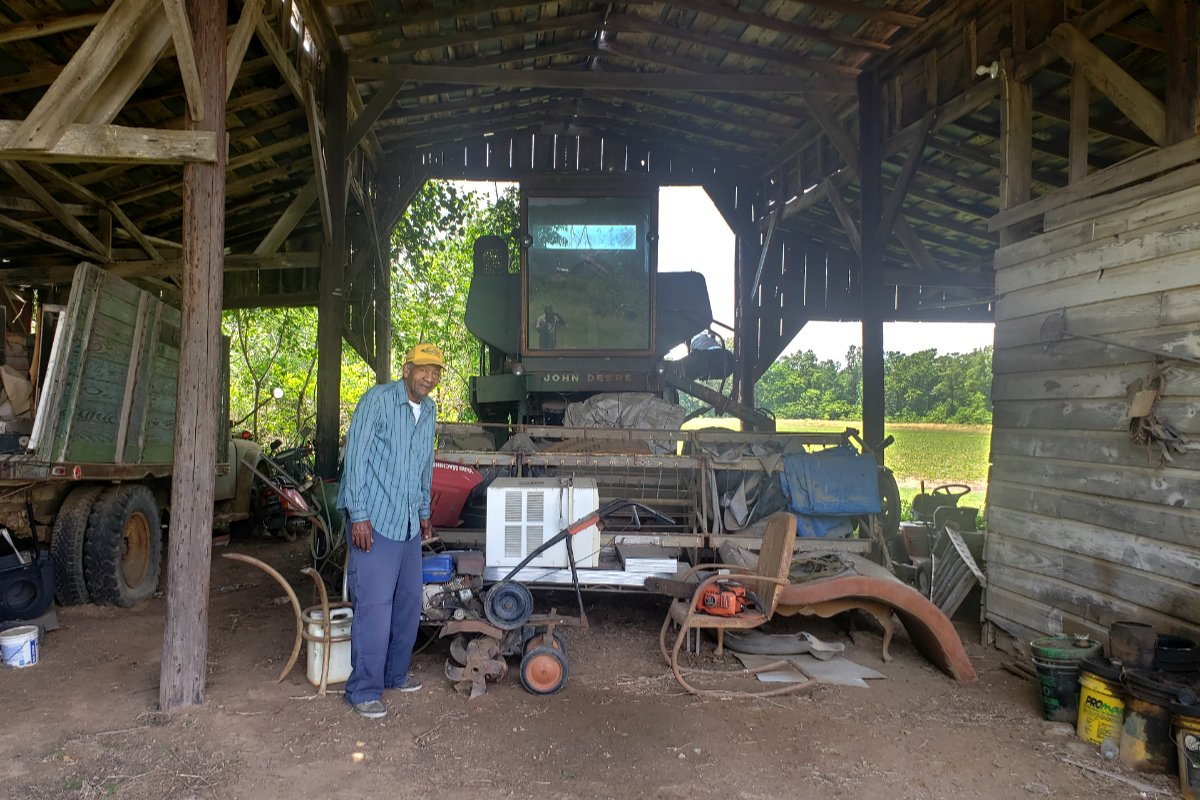
State lost 670,000 acres of farmland between 2002 and 2022
The U.S. beef cow herd just flashed its first expansion signal since 2017. Here's why it won't matter — unless Washington acts in the next 18 months.
America’s cattle herd is at a 75-year low—right as Washington finally decides to confront the meatpacking cartel. When supply collapses and four companies control the kill floor, the bottleneck becomes the market.
A 90-day cattle note in 1914 became a 50-year obligation by 1933—rolled, bundled, and refinanced under federal contract. This is how finite cow paper turned into a permanent debt engine that trapped American ranchers for generations.
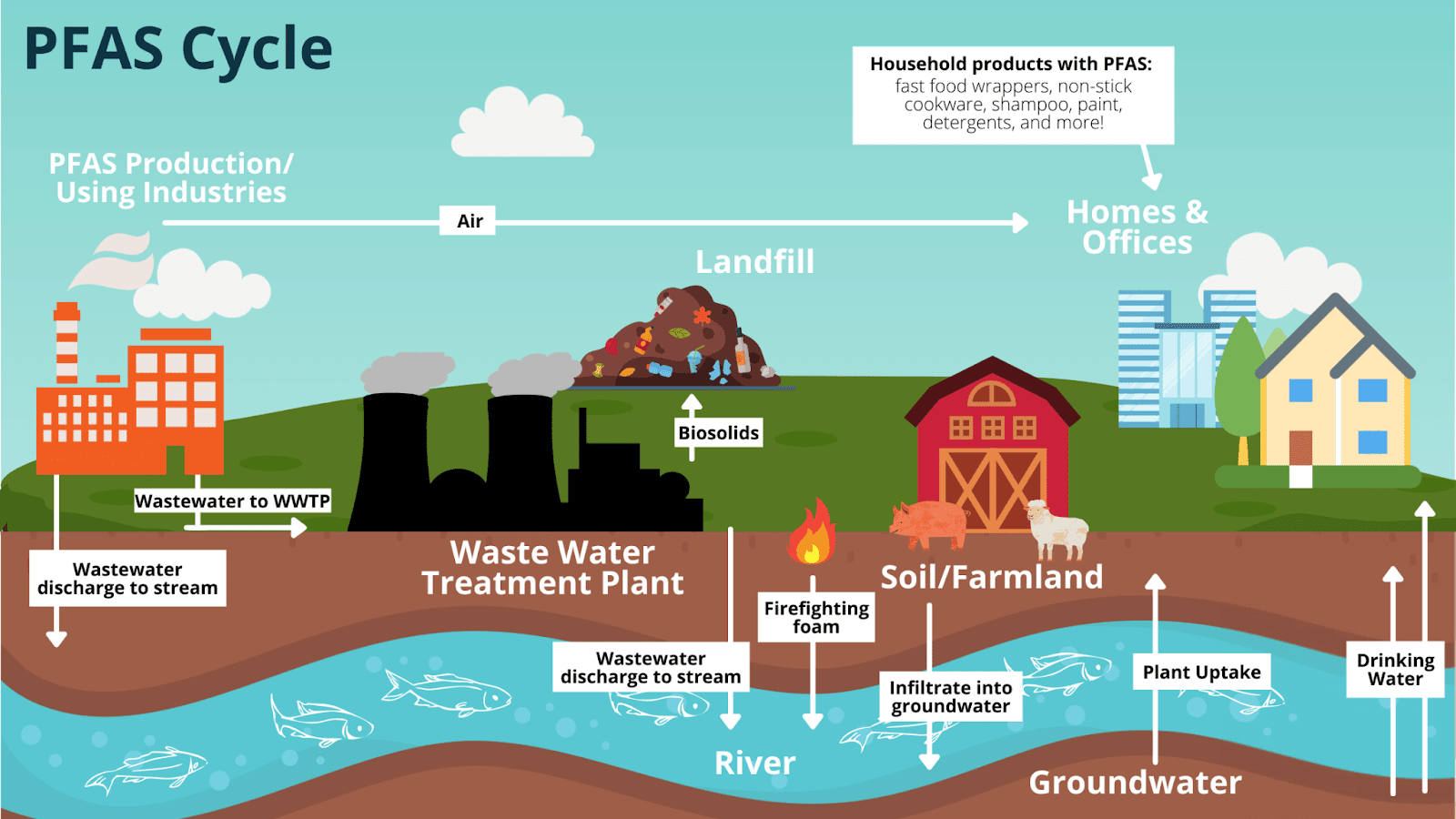
Congress created the sludge, spread the chemicals, and now it's seizing farms while blocking the one report that could expose it all.
The New World Screwworm has infected over 2,200 animals in southern Mexico, just 400 miles from Texas. Ranchers say USDA failed — and want DHS to take control.
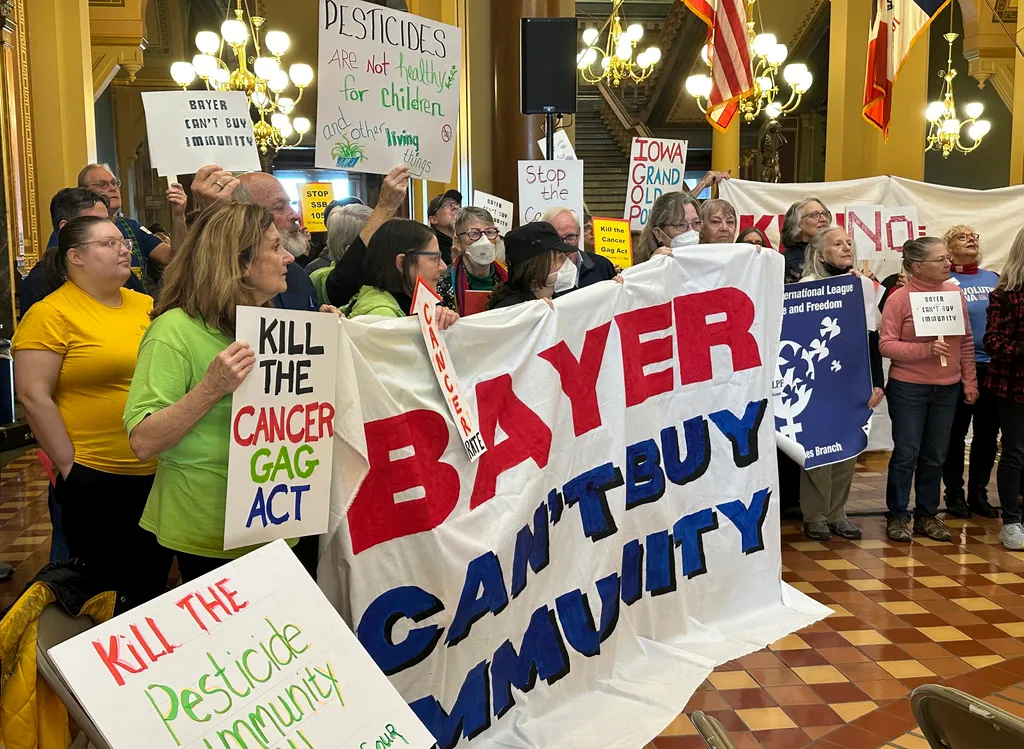
They buried corporate immunity in the budget—and passed it without a single name on the record. Section 453 shields Bayer from lawsuits. Section 507 rebrands PFAS-laced sludge as "fertilizer." The House Appropriations Committee approved both by voice vote. The public never saw it coming.
Chinese operatives spent over a decade stealing U.S. crop genetics, rice proteins, even Monsanto's software. Now Congress is rewarding that theft by locking the EPA to outdated science—handing Bayer and ChemChina full control over what poisons stay legal. Section 453 isn’t deregulation—it’s surrender.
In 1998, the USDA published a report that warned America’s food system was on the brink of corporate capture. It called for decentralization, local processing, and land justice—but Washington buried it. Now, as biotech accelerates under both parties, that forgotten blueprint might be the last map back to food sovereignty.
A lab study injected bird flu into raw milk—then media headlines made it sound like your fridge was the problem. AgDaily ran with it, and now North Carolina is moving to shut down herdshares and “pet milk” sales. Fear theater, not field data, is driving raw milk policy.
The Senate’s new reconciliation bill isn’t just about selling public land—it’s about stripping local communities of control. A little-known provision bans states and counties from regulating “AI Systems” for a full decade, opening the door to opaque development far beyond housing. From data centers to deed-restricted zones, this bill rewrites who gets a say in the future of American land.
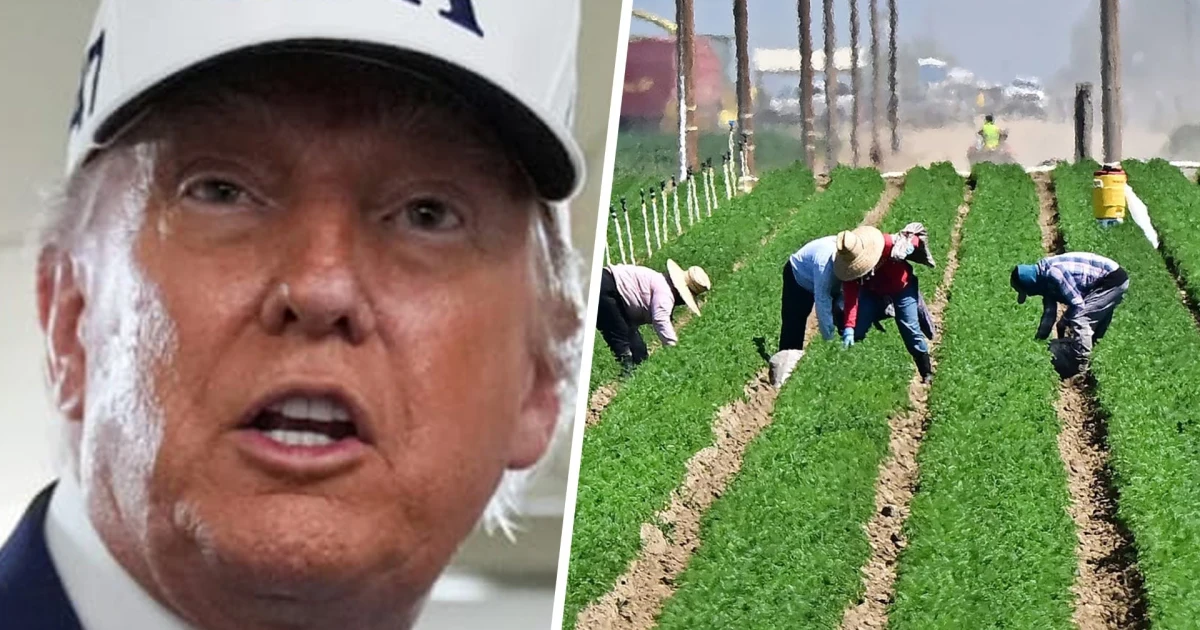
ICE raids on farms, hotels, and meatpacking plants are back—just days after they were paused under pressure from Big Ag and hospitality lobbyists. The Trump administration reversed course after internal backlash, but the policy flip-flopping has left everyone guessing: who’s really calling the shots? For now, the cartel’s labor pipeline is back in the crosshairs—but don't be surprised if the exemptions sneak back in.
England’s coming mandatory EID tags have U.S. ranchers sounding the alarm, warning it paves a path toward centralized data control and AI-driven agriculture oversight. R‑CALF USA’s Bill Bullard argues that even massive plants like Cargill’s—which process thousands of cattle daily—don’t benefit from such tracing, exposing the scheme as a control tool, not a safety one. The message is clear: protect rancher data now—or lose it to unseen bureaucratic systems.
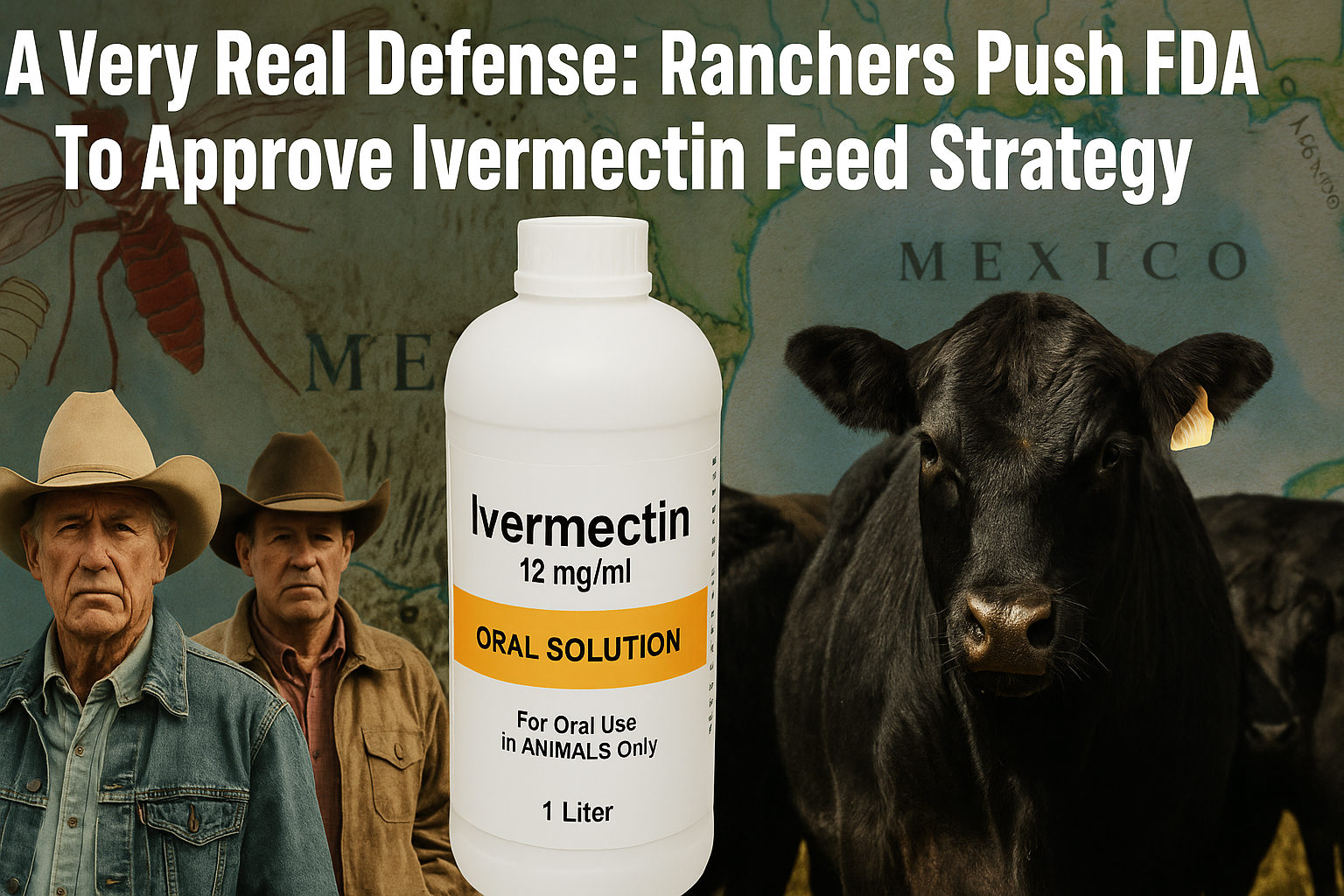
A false report of New World Screw Worm in Missouri sent cattle markets into turmoil, exposing deep vulnerabilities in U.S. food security. Ranchers are now urging the FDA to approve ivermectin as a frontline feed-through defense. With border breaches escalating biosecurity risks, the call is clear: act now or pay later
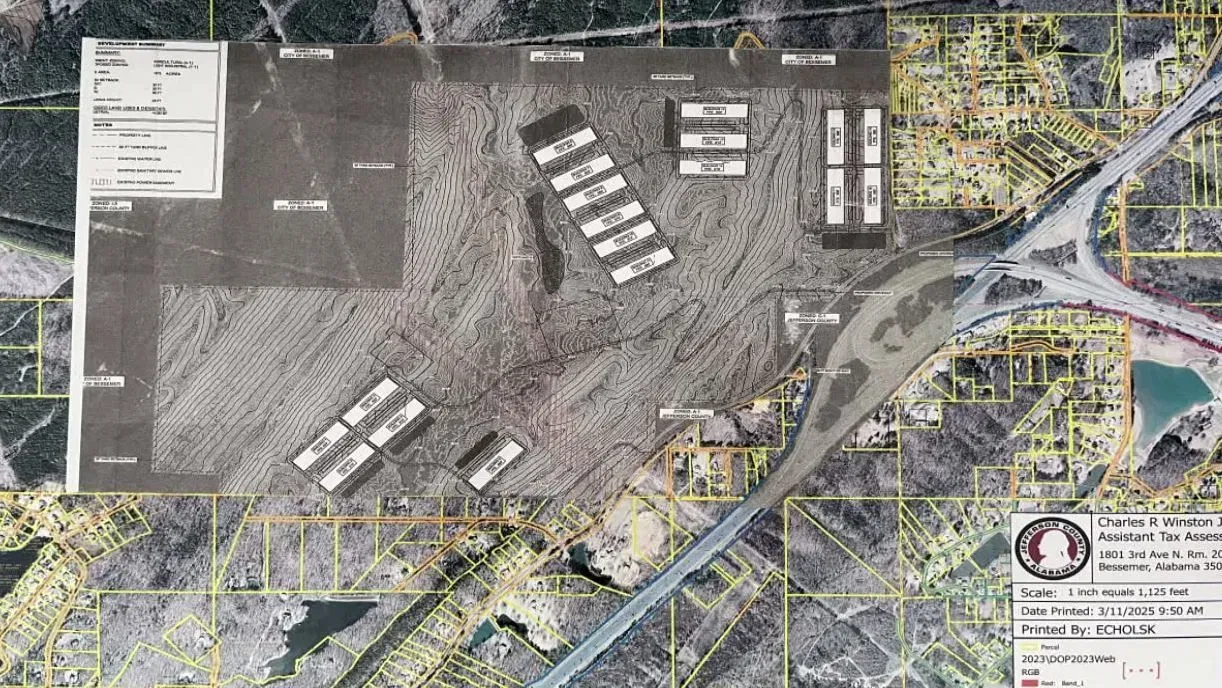
A 4.5 million square-foot data center in Alabama is just the beginning. Fueled by the “Big Beautiful Bill,” federal fast-track authority is stripping local communities of power as AI infrastructure swallows rural land and water. With $24 trillion in farmland poised to change hands, tech giants aren’t buying ranches—they’re replacing them.
Two documents released in June—Farm Action’s policy roadmap and a viral open letter to RFK Jr.—are igniting a grassroots revolt against corporate control of food and medicine. Both demand an end to monopolies, liability-shielded mRNA injections, and USDA policies that serve Big Ag over families. What began as a health crisis has become a political realignment—from the ground up.
Bayer is quietly rewriting state laws to shield itself from lawsuits, even when its products cause cancer. Backed by lobbyists, bills like Georgia’s SB 144 redefine “harm” to protect corporations over farmers and families. This is liability capture—where profit trumps accountability, and the courtroom door slams shut.
The USDA's new rule forces all U.S. cattle producers to adopt costly electronic ID tags, even though its own data shows current systems trace disease faster than cattle can be loaded on a truck. This mandate, justified under the guise of export efficiency, benefits multinational packers and eartag manufacturers—not American ranchers. It’s a federal power grab that sacrifices sovereignty and imposes hidden taxes on the few remaining stewards of our domestic beef supply.
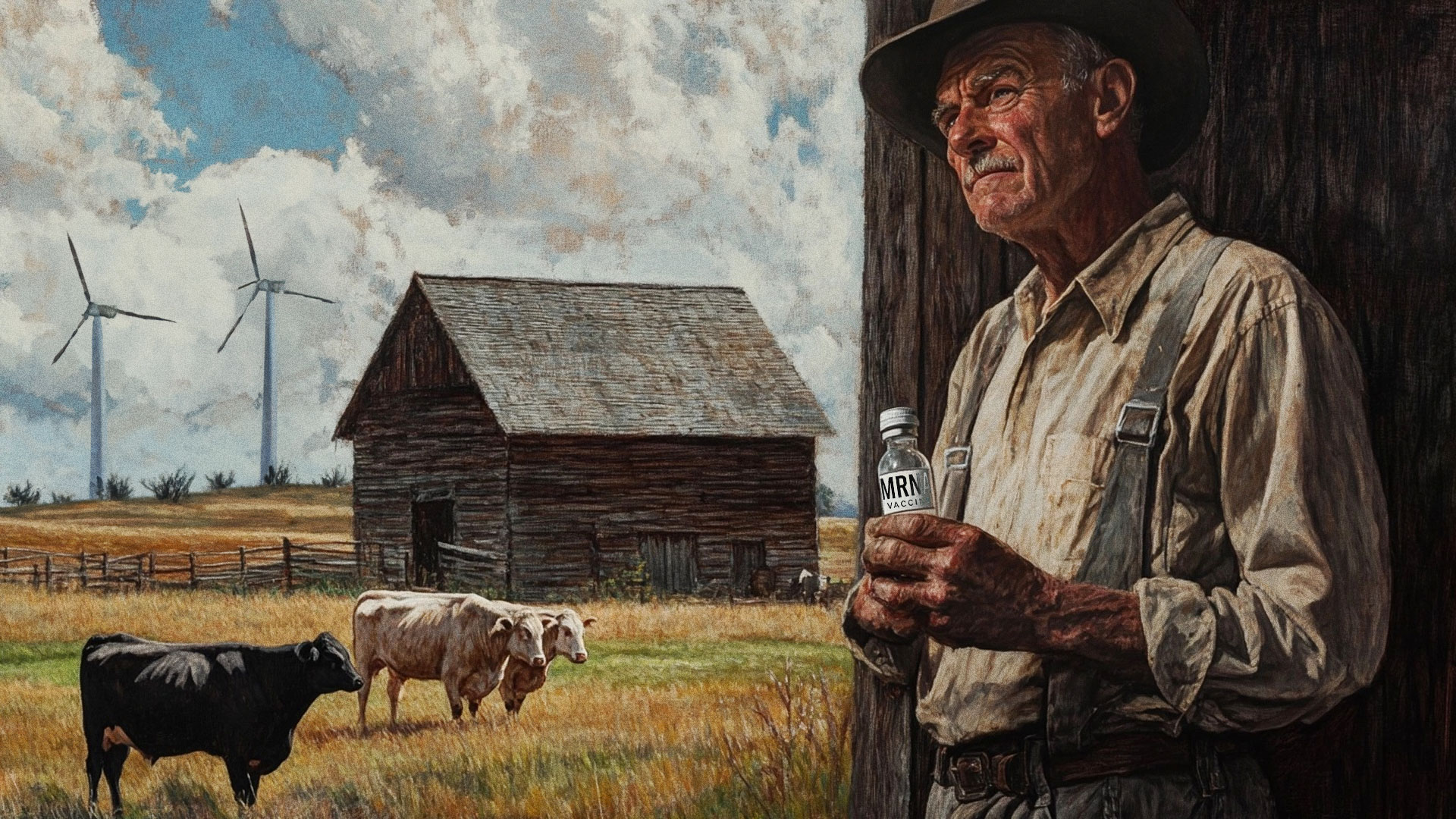
Imported beef still masquerades as “Product of USA,” pink slime remains unlabeled, and carbon monoxide keeps rotting meat looking fresh. Behind the barcode, mRNA vaccine technology is already in use in commercial pork—with research accelerating in cattle, poultry, and even farmed fish—yet no consumer disclosure is required. While regulators claim there’s no risk, the truth is simpler: you’re eating in the dark.
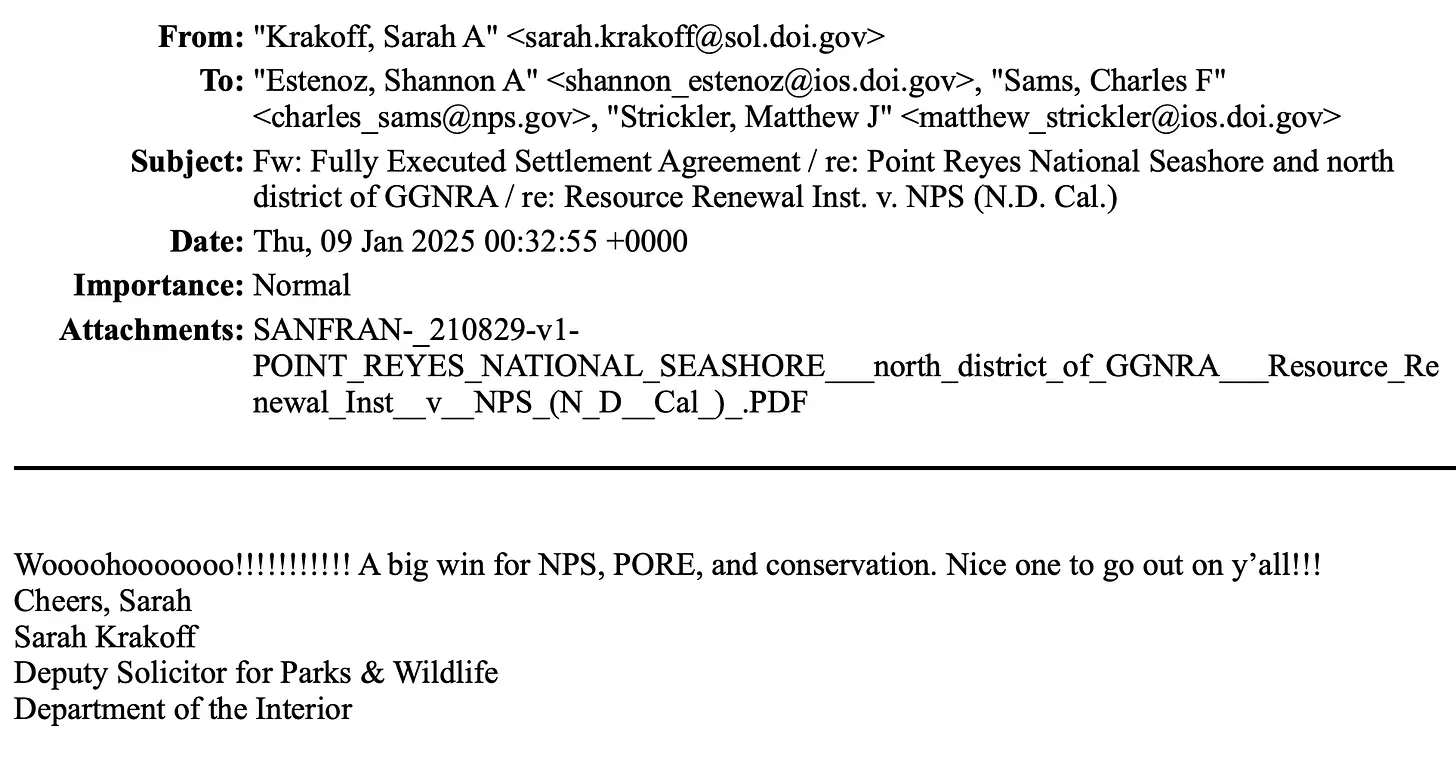
Twelve historic ranching families were forced off Point Reyes under a controversial deal brokered by The Nature Conservancy. Now, House Republicans have launched an investigation into what some are calling environmental overreach and quiet land grabs. At the heart of it all is a growing fight to preserve America’s ranches—and the food security they provide.
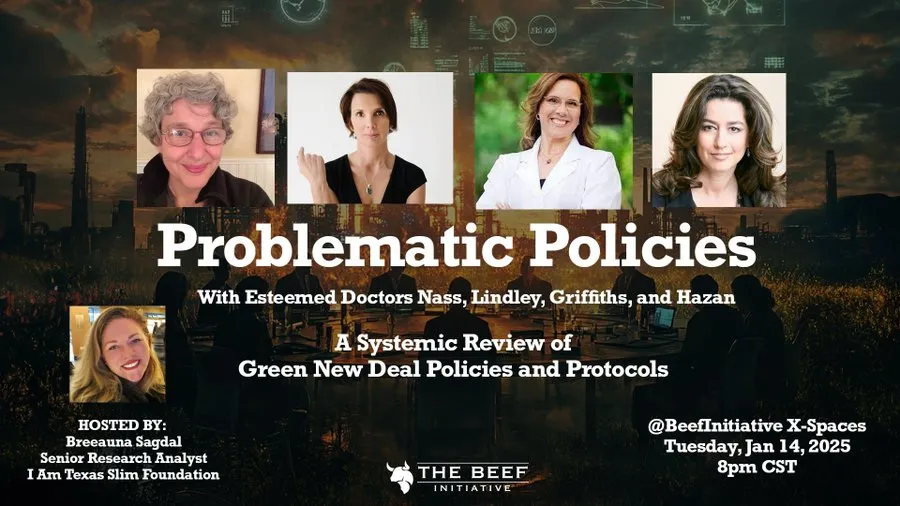
Global policies like the One Health Initiative are accelerating the centralization of agriculture, land, and health systems—threatening local control and food sovereignty. Experts, including Dr. Meryl Nass and Dr. Sabine Hazan, warn that conservation easements and industrial farming practices are eroding both land rights and gut health. Ranchers and researchers agree: the future lies in regenerative agriculture, microbiome science, and restoring local food systems.
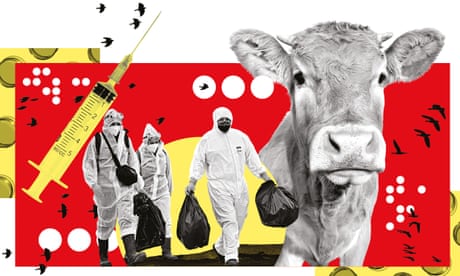
Bird flu mandates are wiping out herds and driving up food prices, but is there more to the story? In this must-hear discussion with Texas Slim and medical experts from VSRF, we expose how government overreach, mRNA vaccines in livestock, and imported beef threaten your dinner plate—and what you can do to fight back.
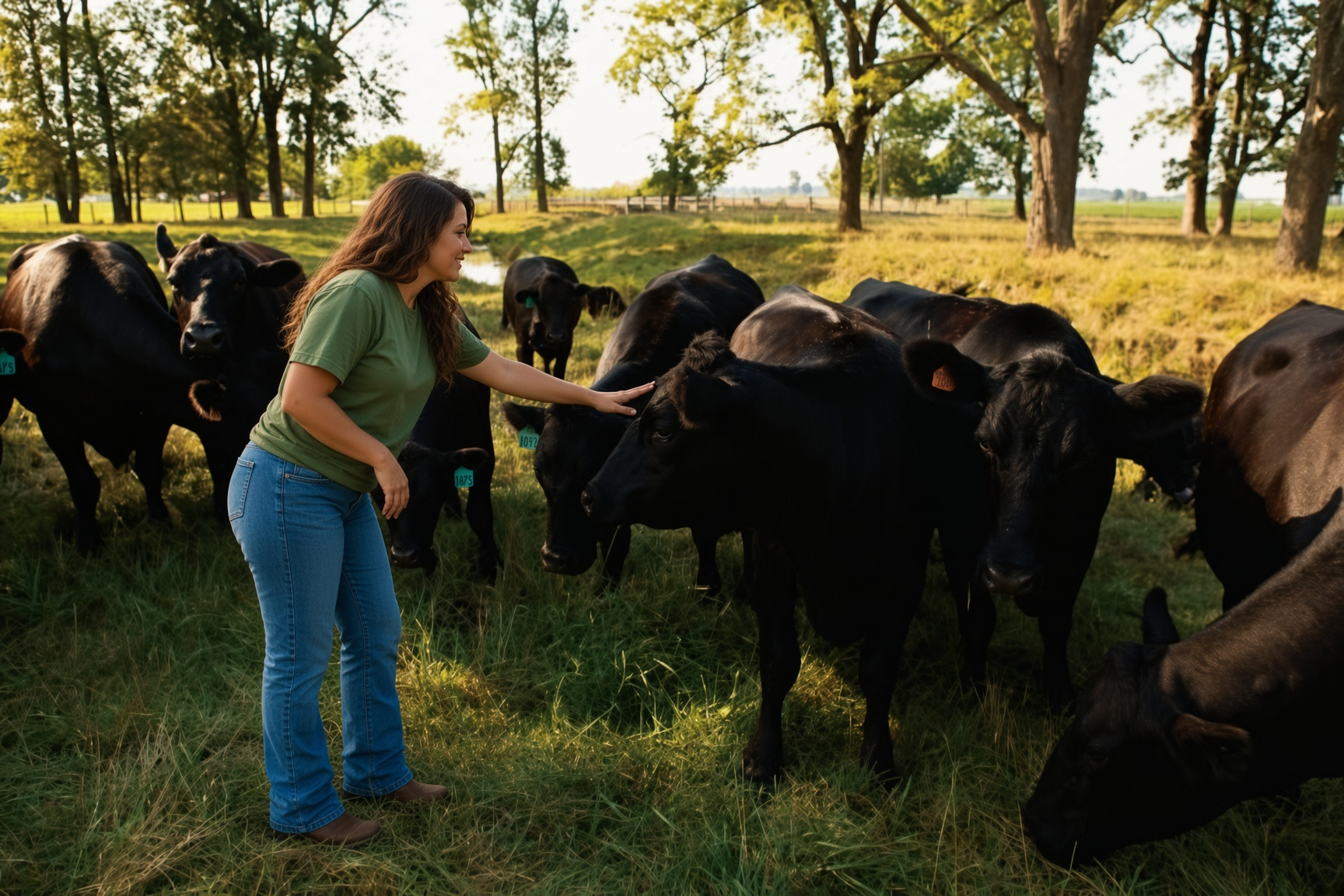
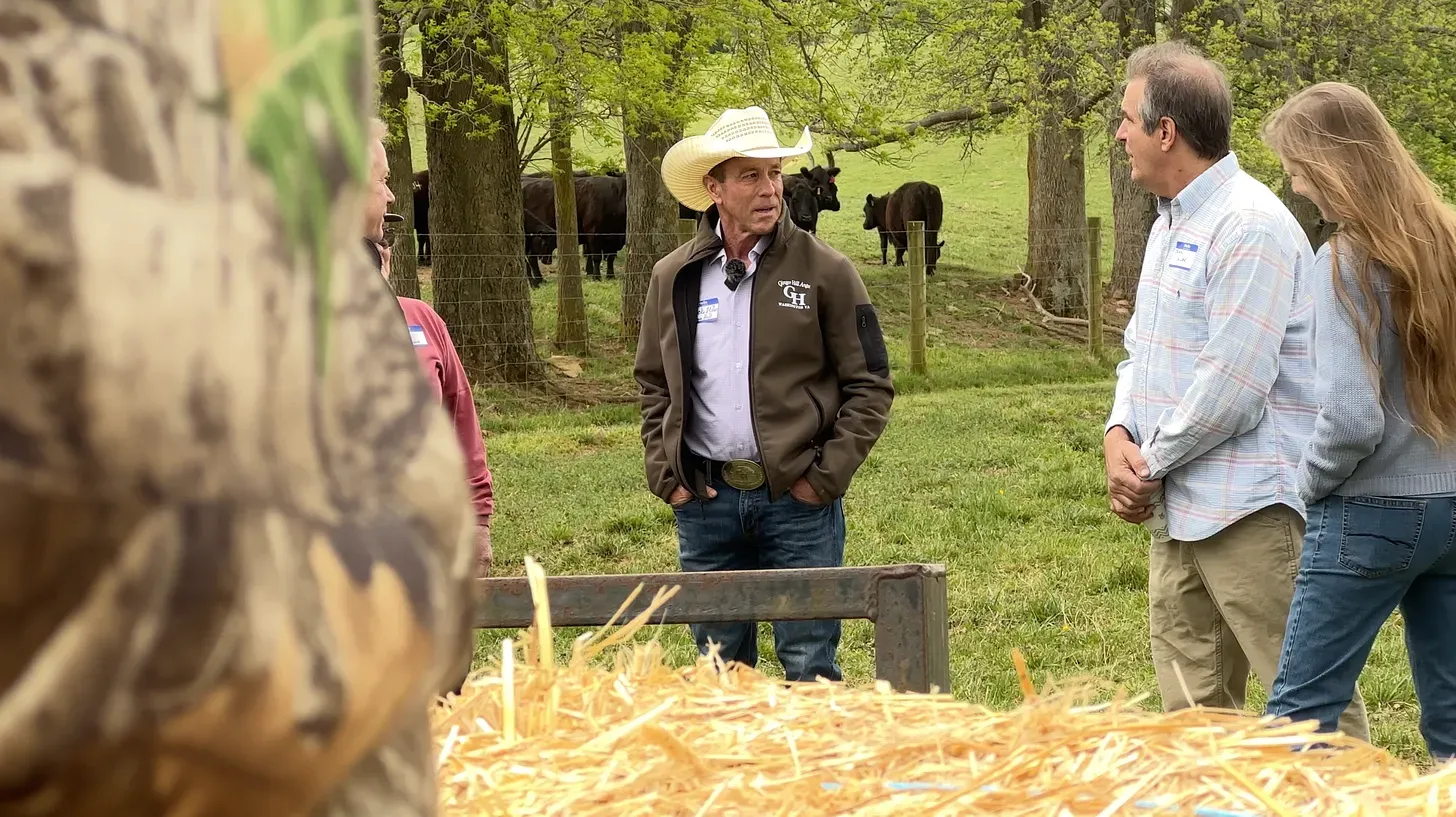
Dr. Brooke Miller, a Virginia family physician and Angus cattle rancher, is transforming health and food systems through a unique blend of medicine and regenerative agriculture. With decades of clinical experience and a deep connection to the land, Dr. Miller advocates for healing chronic disease through lifestyle changes and restoring trust in local food systems to rebuild communities.
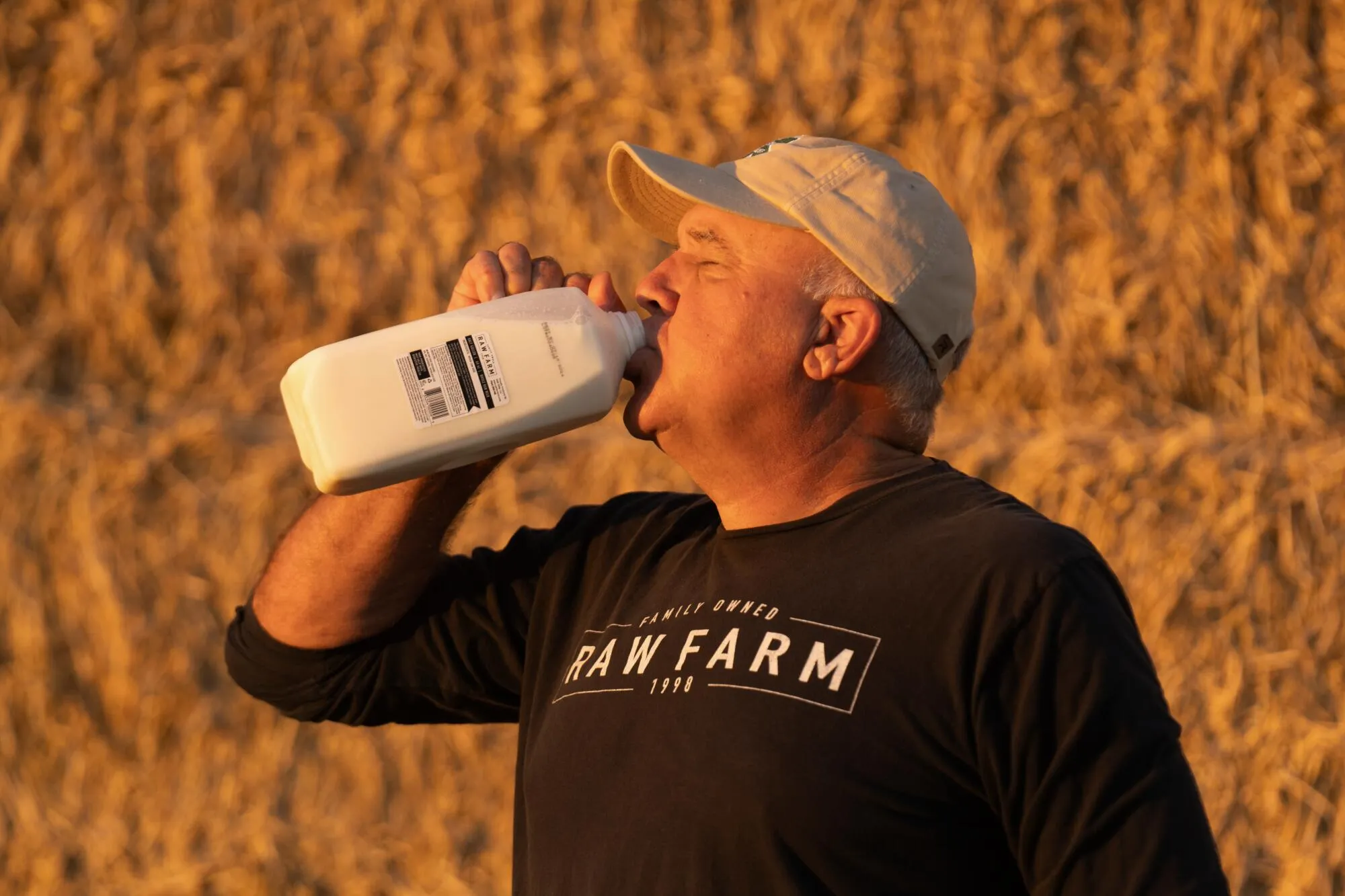
Big Dairy pushes profits over people, but pioneers like Mark McAfee of Raw Farm are fighting back with the truth. Discover why raw milk is more than just milk—it’s a movement for health, integrity, and freedom.
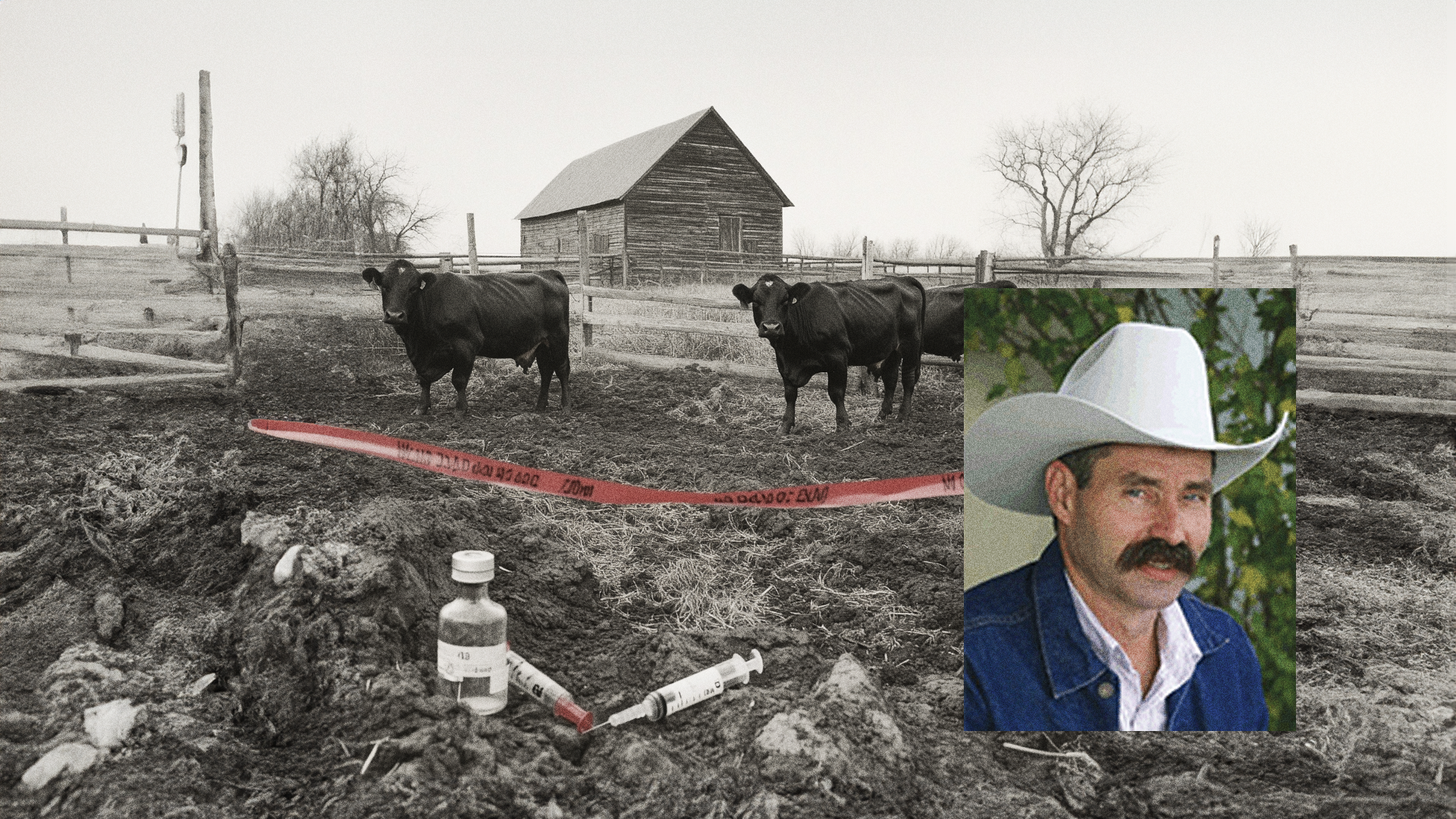
With the imminent introduction of veterinary mRNA-based vaccines like Sequivity in the UK, Dr. Max Thornsberry raises critical concerns about their safety, efficacy, and potential long-term consequences for animals and the human food chain. This article highlights the inherent risks of mRNA technology, including inflammatory lipid nanoparticles, genetic interference, and prion diseases. Dr. Thornsberry urges a cautious, evidence-based approach to safeguard both animal health and consumer safety.
As the EPA scrambles to distribute billions in grants before the administration changes hands, the prophetic warnings of Sagdal, Schaffer, and Logan offer a roadmap to stop America’s sinking ship.
America stands at a critical tipping point. This policy paper warns that recent federal resilience initiatives, advanced under the banner of equity, have centralized control across nearly all aspects of American life—from local governance to individual choices. To protect the foundational freedoms of America's farmers and ranchers, the I Am Texas Slim Foundation calls for immediate executive actions to dismantle these mandates and restore power to communities, pushing back against what they describe as a coordinated agenda of control disguised as resilience.
On September 9, 2024, FEMA’s revised floodplain management regulations went into effect, significantly altering rebuilding possibilities for properties affected by hurricanes, floods, and other disasters. These stringent guidelines impact all structures within FEMA-designated flood zones, including agricultural lands, potentially rendering many properties unbuildable under the 1% and 500-year floodplain rules.
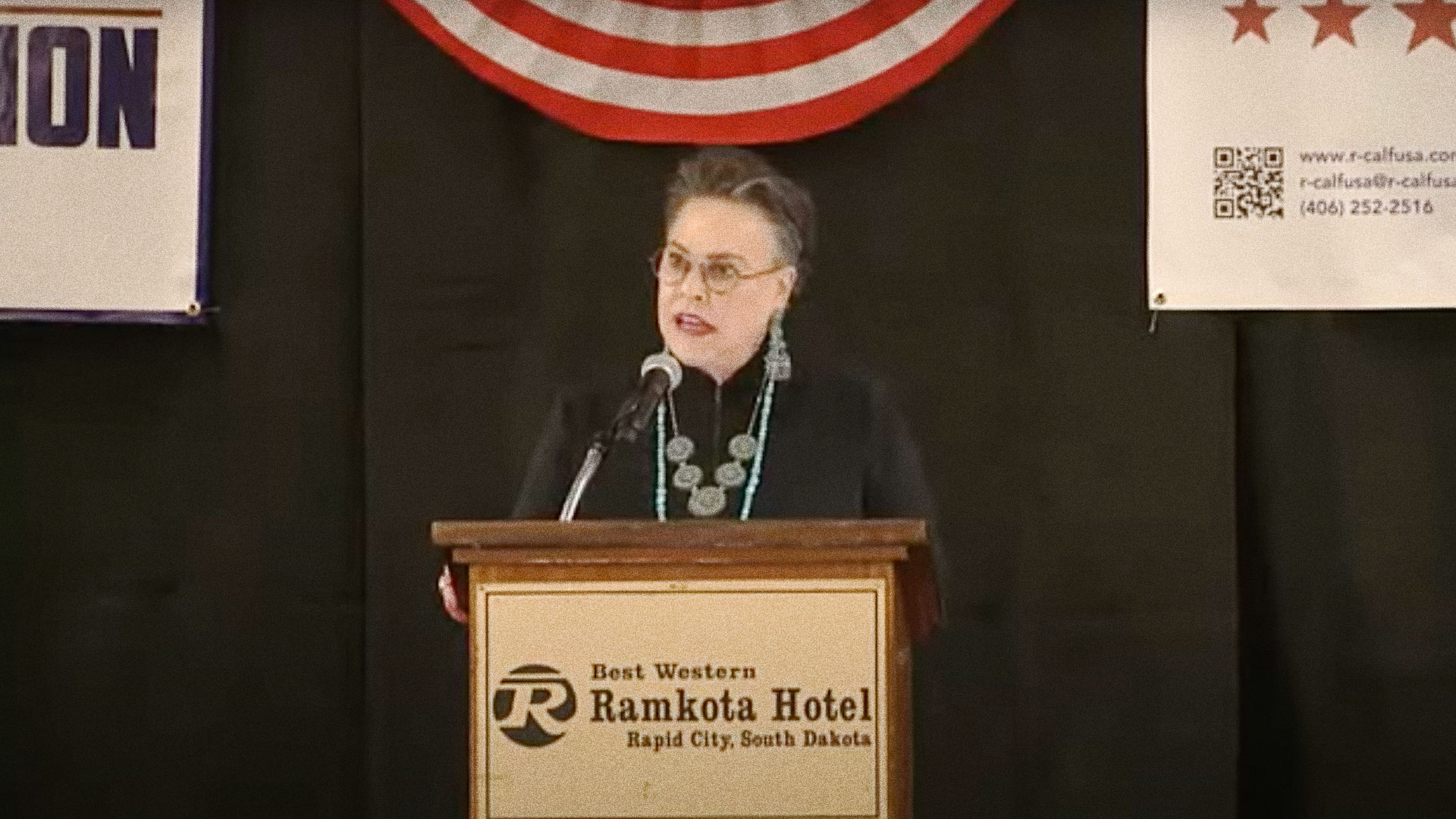
At the Livestock Producers Freedom Rally, Congresswoman Harriet Hageman sounded the alarm on the Biden-Harris administration's push for mandatory RFID tags, which threaten small and independent ranchers. With over five years of fighting this battle, Hageman highlighted how this federal overreach disproportionately benefits large corporations, risking the future of local producers and the entire food supply chain. Her powerful message calls for unity in resisting government mandates and protecting the independence of America’s ranchers.
Effective September 9, 2024, FEMA's new floodplain rules dramatically limit rebuilding in areas impacted by recent hurricanes like Helene and Milton. The 1% floodplain rule will deem many residential, commercial, and agricultural structures unbuildable, severely impacting property owners. Agricultural communities are urged to consult FEMA's flood maps and local authorities to protect their land and livelihoods under these new regulations.
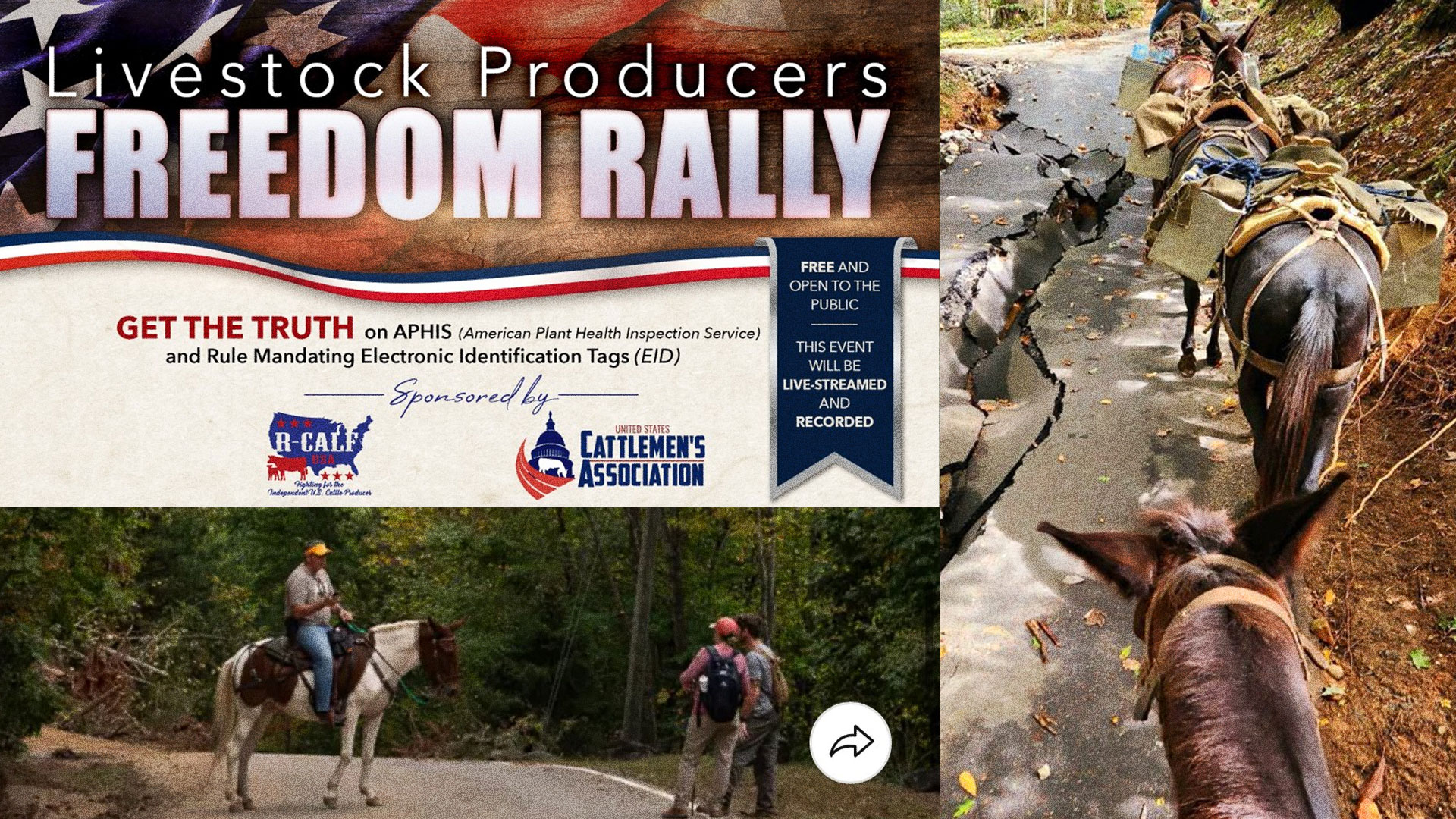
Join the fight as ranchers, led by the U.S. Cattlemen’s Association and R-CALF USA, oppose the USDA’s RFID mandate at the Livestock Producers Freedom Rally in South Dakota. Meanwhile, relief efforts coordinated by The I Am Texas Slim Foundation and FAFO Farms are underway in North Carolina, Tennessee, and Georgia, supporting communities with bitcoin donations. Discover how ranchers are stepping up for each other and read Breeauna Sagdal’s in-depth analysis on RFID surveillance in the cattle industry.
R-CALF USA, along with 45 farming and ranching groups, is calling on Congress to block the USDA’s new mandate requiring electronic ear tags for adult cattle and bison. In a letter to Congress, these groups warn that the mandate unfairly burdens small producers, consolidates the food supply, and threatens national food security. With widespread opposition from ranchers, R-CALF USA urges immediate action to stop this rule before it takes effect on November 5, 2024.
As Kamala Harris vows to tackle food costs, new USDA regulations quietly rewrite century-old laws, granting unprecedented power to government officials. Independent ranchers face crushing new rules, while the promise of lower prices hides the looming threat of shortages and skyrocketing grocery bills. Discover how these hidden changes could reshape America's food landscape
Dr. R. M. Thornsberry delves into the implications of mRNA technology in livestock genetics and public health. With decades of experience, he raises concerns about the safety and transparency of mRNA vaccines, particularly their impact on the food supply. Questioning the integration of RNA technologies into agribusiness models, Thornsberry expresses concern for the future of both humans and animals.
Avian Flu hits dairy cattle, causing economic and genetic losses as dairy farmers struggle with outdated infrastructure and inadequate government responses. Misleading media reports and strict biosecurity measures exacerbate the crisis, while concerns grow over the push for mRNA vaccines in livestock and humans. Dive into the full story to uncover the urgent challenges facing the livestock industry.
Dustin Kittle's lawsuit against the Biden administration reveals the harsh realities faced by small farmers. Despite federal rulings against Alabama Farm Credit's illegal practices, the lengthy investigation left Kittle financially devastated, a fate shared by many others in the agricultural community.
Your cart is empty
Browse our Gold Standard ranches and add some cuts.