Indiana Just Put a Ceiling on Its Own Health Department
Indiana capped state health department overreach at the federal floor — a cleaner, more legally replicable move than New Hampshire's vetoed attempt to go under that floor. The bottleneck didn't move. The lane around it just got wider, and safer.
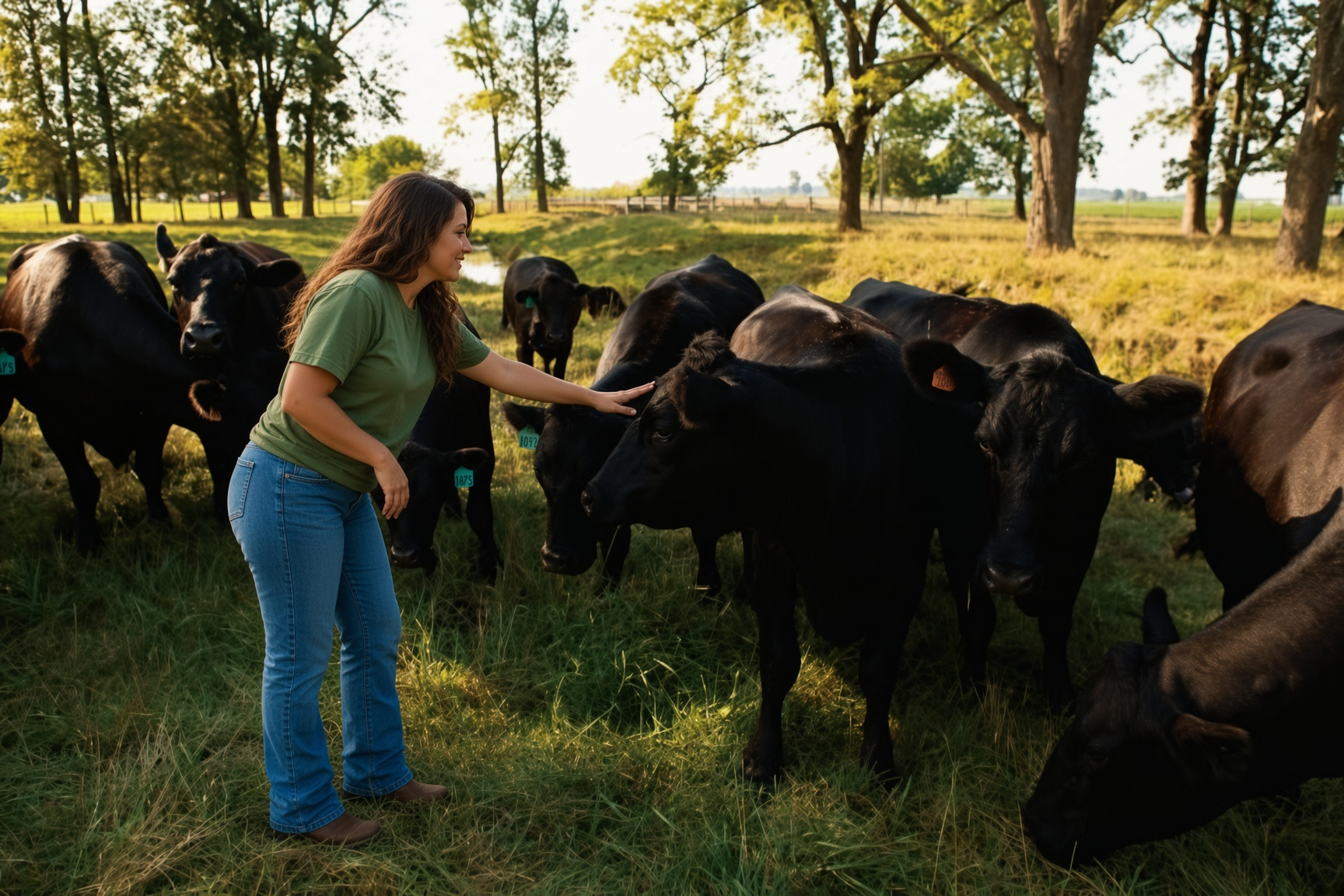
Indiana didn't pass a cottage-food bill. It passed a ceiling law — on itself. Section 5(a) of House Enrolled Act 1424 bars the Indiana Department of Health, Marion County's health corporation, and every local health department in the state from imposing any rule, certification, or license on a homestead vendor or small farm beyond what federal law already requires. Every wire story will call this a win for muffins and jam. The real story is a state writing a leash for its own regulators.
That's not a carve-out. That's a ceiling — and it overturns the quiet assumption baked into most state food codes: that agencies are free to layer requirements on top of federal law simply because nothing stops them. State legislatures write exemptions constantly. Writing a hard limit on their own regulators' authority is rarer, and it's the part of HEA 1424 built to outlast this legislative session.
The bill doesn't touch federal meat inspection. Homestead-raised meat sold under the law still has to be slaughtered, processed, and labeled in compliance with Indiana's own meat and poultry inspection chapter — the same statute that still funnels commercial slaughter through a small number of state-inspected plants, the identical structural bottleneck this desk flagged in the New Hampshire fight. The difference is which side of the federal floor each bill tried to move. New Hampshire's vetoed bill tried to go under it — exempting on-farm processing from inspection entirely, which is precisely what triggered the veto. Indiana stayed above it, restricting only the state's own add-on authority.
Indiana didn't remove the bottleneck. It built a direct-to-consumer lane around it, on the legally safe side of the federal floor — intrastate only. A homestead vendor still cannot ship meat to a customer outside Indiana, sealed package or not.

The Institute for Justice, which has pushed food-freedom law in more than twenty states, called the signing "a monumental step forward in advancing food freedom in Indiana." The Hoosier Environmental Council read the same bill and called it exactly what it structurally is: an effort "to continue Indiana's deregulation of the 'cottage food' industry" — one that, by HEC's own estimate, could cover roughly 90 percent of the state's farms under the small-farm definition.
Both are right, and neither is describing a scandal. This is what deregulation looks like when it isn't captured by the packers it's supposed to check. The mechanism worth tracking isn't the exemption — it's the ceiling language itself. New Hampshire never had this exact option on the table; Ayotte's veto killed a bill trying to go under the federal floor, not one asking the state simply to stop adding rules on top of it. That's the more replicable lesson for other statehouses: Section 5(a)'s formula sidesteps the federal-conflict problem entirely. Any legislature can write it into its own code — state agencies may not exceed federal law — without inviting the veto math New Hampshire ran into. The interstate shipment wall Section 8 leaves standing is the next fight, and it's a federal one this time, PRIME Act territory, not a state health department's to solve.
Indiana capped state health department overreach at the federal floor — a cleaner, more legally replicable move than New Hampshire's vetoed attempt to go under that floor. The bottleneck didn't move. The lane around it just got wider, and safer.
More in Farm Policy
 chevron_right
This isn't a labeling vote. It's a delegation vote.
Aug 6, 2026 · Beef News
 chevron_right
Forget 'Amnesty.' The Ag Labor Bill's Real Payload Is a Wage Cap and a Packing-Floor Carve-Out
Jul 21, 2026 · Beef News
 chevron_right
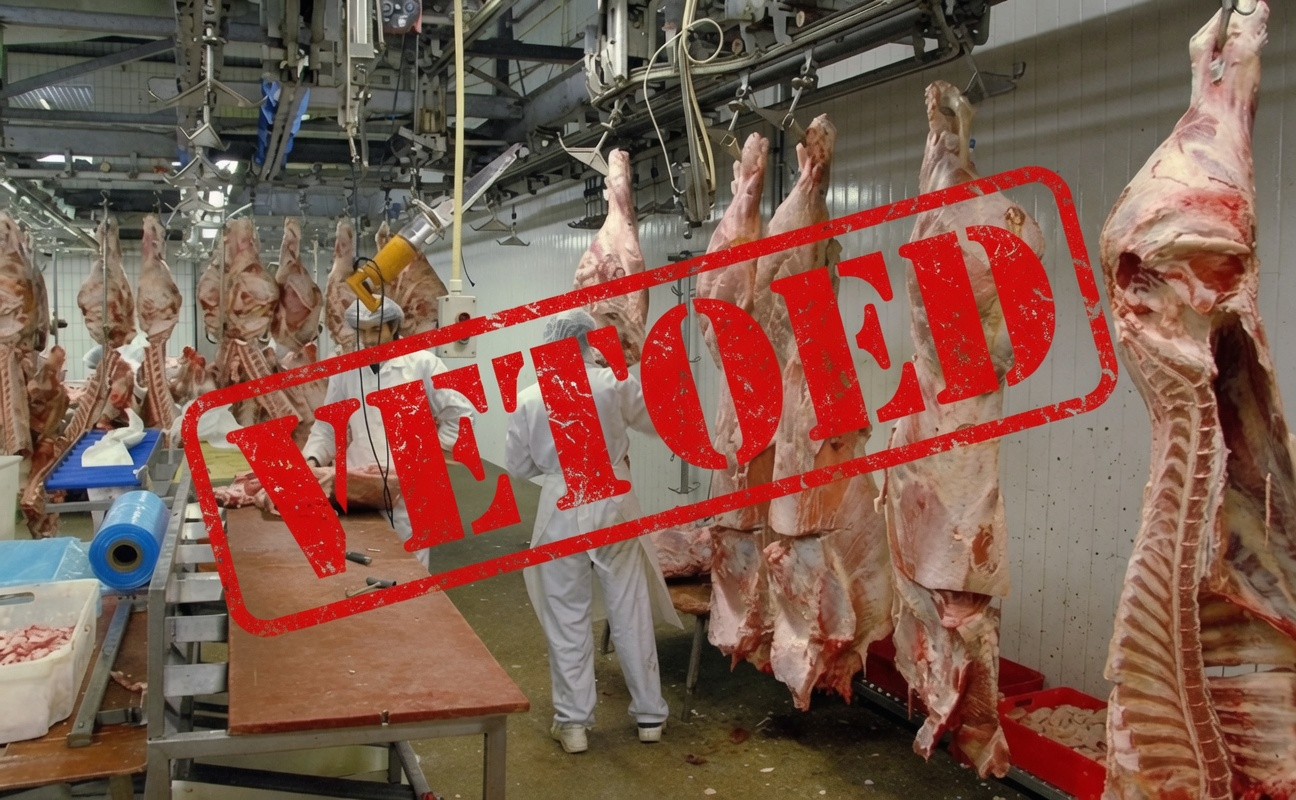
New Hampshire Has Four Slaughterhouses. The Governor Just Vetoed the Fix.
Jul 18, 2026 · Beef News
 chevron_right
They Couldn't Buy Him. So They Bought His Seat.
May 21, 2026 · Beef News