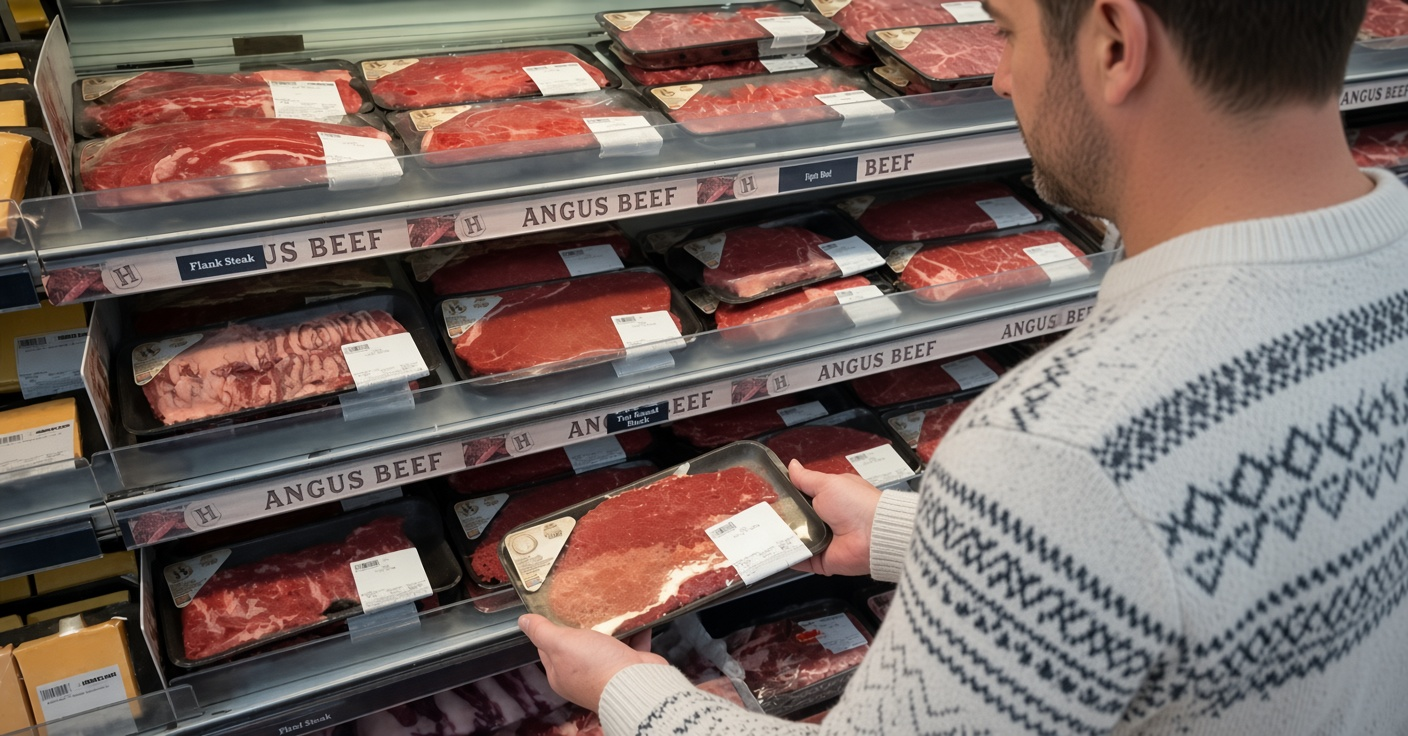
This isn't a labeling vote. It's a delegation vote.
Congress isn't voting on beef labels today. It's voting on whether to hand that decision to the trade office that lost the lawsuit that killed the last one.
Every outlet covering today's Senate Agriculture Committee markup is asking the same question: does mandatory country-of-origin labeling for beef survive committee. That's the wrong question. The amendment Senate Majority Leader John Thune filed to the Agricultural Act of 2026 doesn't reinstate MCOOL. It reinstates the process for someone else to design MCOOL, and hands the pen to the U.S. Trade Representative.
The mechanism buried in the bill text
The Thune amendment tracks the American Beef Labeling Act almost word for word. Read the actual bill text and the load-bearing clause isn't the part adding beef to the statute's list of covered commodities. It's the section that gives the U.S. Trade Representative, in consultation with USDA, 180 days to determine a means of reinstating labeling that satisfies World Trade Organization rules, then a year to implement whatever that means turns out to be.
The agency writing the fix is the agency that lost the original case
That's not a neutral detail. USTR is the office that argued, and lost, the original COOL case at the WTO, the ruling Congress cited when it repealed mandatory labeling in 2015. A trade office rebuilding a rule under the exact legal constraint that sank the last one has every institutional incentive to write the narrowest, least disruptive version of "compliant" it can get away with. Nothing in the statute specifies segregation requirements, point-of-sale enforcement, or penalties. It just says a means.
The most likely outcome isn't the enforceable 2013 rule ranchers remember. It's something closer to the voluntary Product of USA standard already on shelves, which USDA's own commissioned research found most consumers already misread as a country-of-origin guarantee it isn't.

What today's vote actually decides
A yes today doesn't put a country-of-origin label back on ground beef next year. It starts a 180-day countdown inside an agency that has spent a decade defending itself from the lawsuit that created this mess. The farm bill text Chairman Boozman's committee released for markup doesn't settle what labeling looks like. Neither does the committee's own summary of the legislation. The fight over MCOOL's substance hasn't started. It's been handed to a rulemaking process where R-CALF and NCBA will spend the next year lobbying an agency instead of a Congress voters can hold accountable.
The stakes are not abstract. USDA's own trade data show imported beef displacing more of the domestic supply chain every quarter the herd stays near multi-decade lows, which is exactly the window in which a weak labeling standard does the most damage to independent producers trying to compete on origin.
Bypass the agency
Ranchers don't have to wait a year to find out whether Washington's trade office decides to tell the truth on a label. Consumers who want to know exactly whose ranch their beef came from can already find out today, at BeefMaps.com. The map does what the amendment might not.
Congress isn't voting on beef labels today. It's voting on whether to hand that decision to the trade office that lost the lawsuit that killed the last one.
More in Farm Policy
 chevron_right
Forget 'Amnesty.' The Ag Labor Bill's Real Payload Is a Wage Cap and a Packing-Floor Carve-Out
Jul 21, 2026 · Beef News
 chevron_right
New Hampshire Has Four Slaughterhouses. The Governor Just Vetoed the Fix.
Jul 18, 2026 · Beef News
 chevron_right
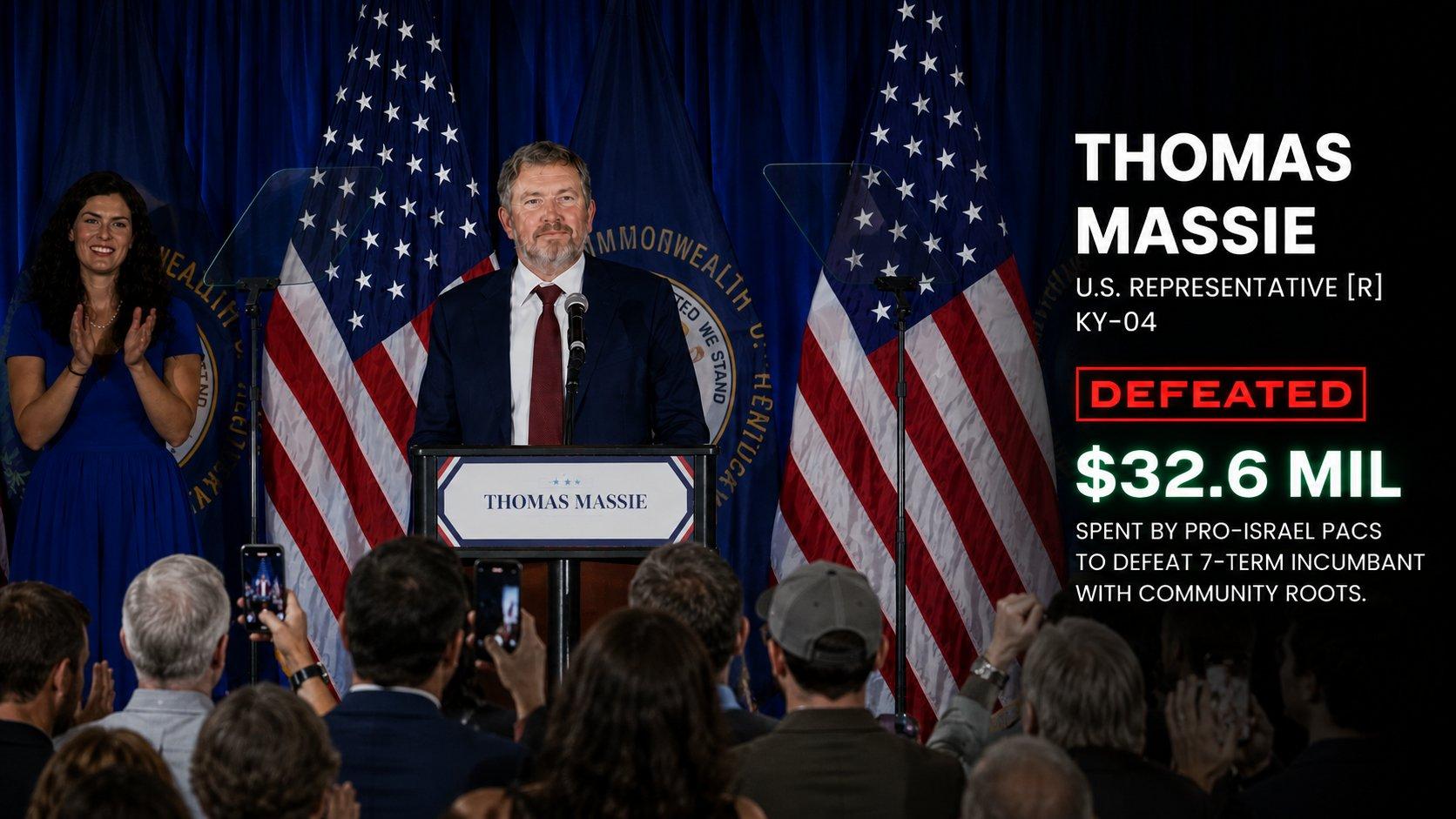
They Couldn't Buy Him. So They Bought His Seat.
May 21, 2026 · Beef News
 chevron_right
One farmer, one file, one surveillance contract: Palantir and USDA join forces.
Apr 26, 2026 · Beef News