Forget 'Amnesty.' The Ag Labor Bill's Real Payload Is a Wage Cap and a Packing-Floor Carve-Out
H.R. 9535 caps ag wage growth at 3.25% a year and writes slaughterhouse labor into H-2A law for the first time. The amnesty debate is a decoy. The wage cap, paired with easier legal access to a packing-floor guest-worker pipeline, is the payload.
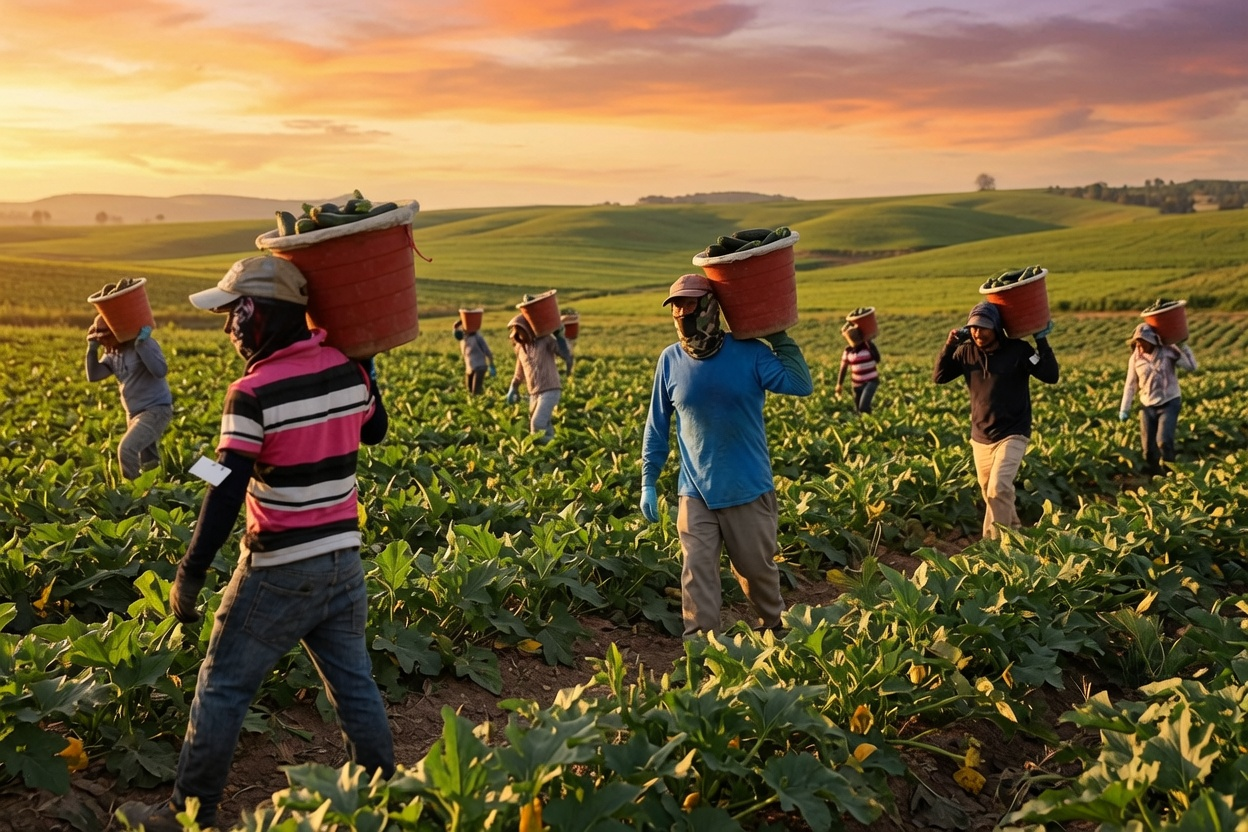
H.R. 9535 is being read as a border story — a fight over who qualifies for legal status after working in agriculture unlawfully present. That reading is fair; the bill does contain a real waiver. But two other sections are doing something separate, and they're the part of this bill that will actually move money: for the first time, H-2A statute is being rewritten to cover slaughterhouse labor, and the wage rate covering that labor is being capped by law. That's happening while the Big Four tighten their hold on processing capacity — and while one of them already faces a federal lawsuit over the kind of labor pipeline this bill would make easier to run.
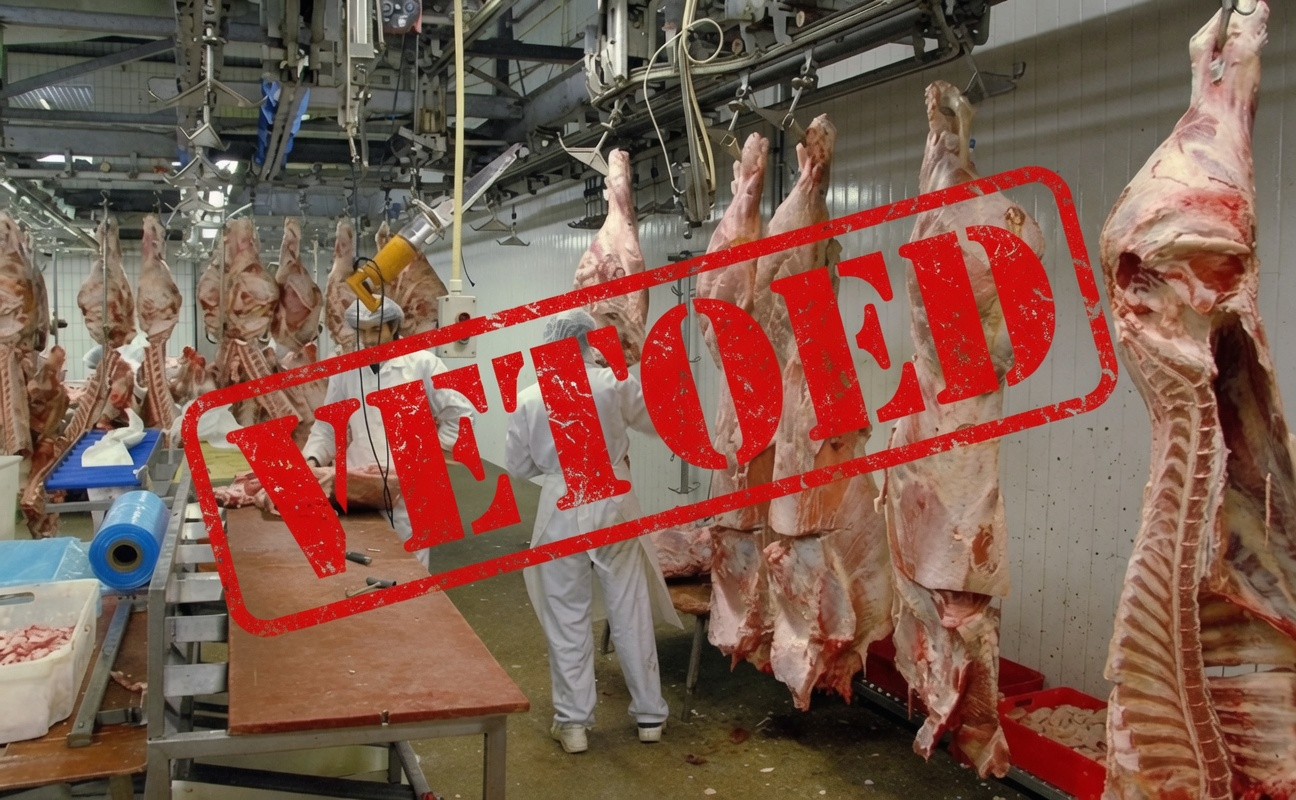
Section 3 of the bill rewrites the statutory definition of "agricultural labor or services." For the first time, that definition explicitly includes the harvest and processing of meat and poultry — specifically the slaughter of animals and the breakdown of carcasses. Packing-floor work has never before been written into H-2A eligibility language this directly.
Pair that with Section 2(k), where the adverse effect wage rate is capped at no more than 3.25 percent higher than the prior year, and wage floors for "field and livestock worker occupations" are calculated together, as one pooled category. Slaughter and carcass work now sits inside a wage formula built for crop labor — anchored, capped, and pooled downward.
This isn't hypothetical. JBS, one of the Big Four, is already accused of building exactly that kind of pipeline. A federal class-action complaint filed against the company alleges a JBS-linked TikTok recruitment campaign lured Haitian migrants to its Greeley, Colorado plant with promises of easy pay, no English requirement, and housing — then packed arrivals into motel rooms with up to eleven strangers, pushed them onto dangerously fast kill-floor line speeds, and treated them worse than non-Haitian coworkers. In June 2026, a federal court denied JBS's motions to dismiss and strike the case, and it's now headed into discovery.

That's the blindspot. This isn't a border story. It's a labor-cost stabilization mechanism arriving at a moment when the Big Four are tightening their grip on processing capacity — and have already shown a willingness to pursue aggressive, legally risky tactics to secure vulnerable labor pools. A federally capped, crop-pooled wage floor is a gift to whoever runs the largest slaughter operations — and a shrug to everyone else.
Independent ranchers and regional processors get nothing equivalent. No capital support, no processing-capacity relief — just the same wage-suppressed labor pool, now formally extended to the kill floor. Meanwhile the domestic and H-2A workers actually doing that labor get a statutory ceiling on how fast their pay can rise. About 35 percent of the hired agricultural workforce was already working without authorization as of FY2024 — the population this bill is nominally built to address — and none of that changes the wage math once slaughter work is folded in.
Sponsor Rep. Glenn "GT" Thompson called food-supply disruption a national security threat when he introduced the bill. He didn't mention that his own text pools livestock and field wages into a single, capped rate — or how that rate would interact with the kind of recruitment tactics a major processor already stands accused of using.
The fight shouldn't be over whether May 31, 2026 is an amnesty cutoff. It should be over who wrote "field and livestock worker occupations combined" into the wage formula — and why meatpacking labor got folded into a farm guest-worker fix instead of its own hearing.
The bill has 51 cosponsors and sits referred to the House Judiciary Committee, still alive, still unremarked on this point. USDA's own farm labor data shows the workforce this bill claims to fix — but the wage architecture inside it was written for the packers, not the workers or the ranchers upstream of them.
The amnesty fight is the decoy. The wage cap, paired with easier legal access to a packing-floor guest-worker pipeline, is the payload.
H.R. 9535 got branded an amnesty bill and missed its real target: a statutory wage ceiling that folds slaughterhouse labor into farm-labor wage math. The border fight is cover for a packing-floor labor subsidy nobody in Washington wants to name.
More in Farm Policy
 chevron_right
The rancher order studies beef labeling. The study cannot reach the law that hides imported trim.
Sep 5, 2026 · Beef News
 chevron_right
Indiana Just Put a Ceiling on Its Own Health Department
Aug 11, 2026 · Beef News
 chevron_right
This isn't a labeling vote. It's a delegation vote.
Aug 6, 2026 · Beef News
 chevron_right
New Hampshire Has Four Slaughterhouses. The Governor Just Vetoed the Fix.
Jul 18, 2026 · Beef News